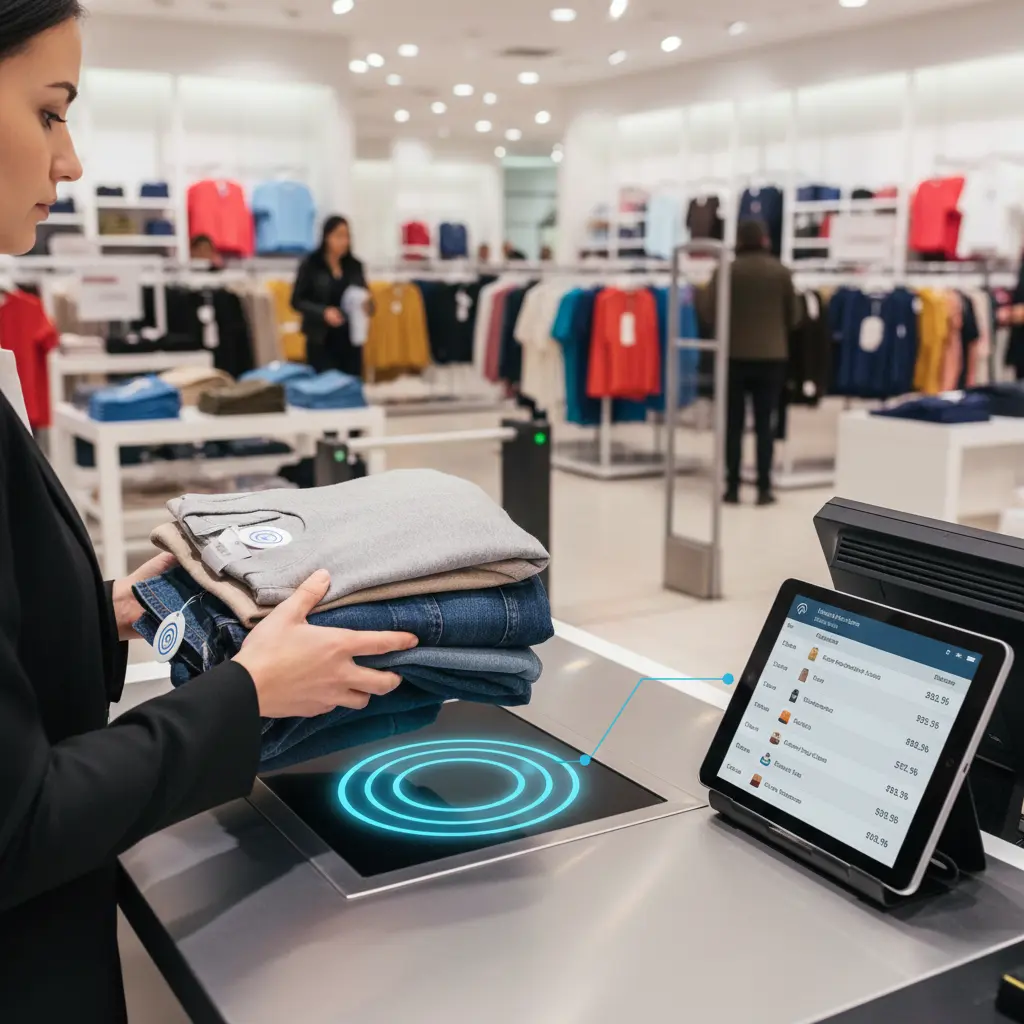
Do you lose sleep over inventory errors and lost assets? Manual counting is slow, expensive, and prone to costly mistakes. You need a solution that tracks everything instantly without human error.
RFID (Radio Frequency Identification) uses wireless radio waves to identify objects automatically. It tracks assets by reading data from tags via a reader and antenna. This technology enables bulk scanning and real-time visibility, making it essential for modern supply chain management and inventory control.

Many business leaders think RFID is just a fancy barcode. I used to think the same thing when I started on the production line years ago. However, barcodes require you to see the label. RFID reads through boxes and walls. Let me break down exactly how this technology works for your business.
What Are the Three Core Components of an RFID System?
Looking at an RFID datasheet can feel very confusing at first. It often looks like a complicated mess of wires, chips, and boxes. However, the system relies on just three simple parts working together.
An RFID system consists of three main hardware components: the tag (chip and antenna), the reader (transmits signals), and the antenna (receives signals). The reader sends energy, the antenna broadcasts it, and the tag responds with data.
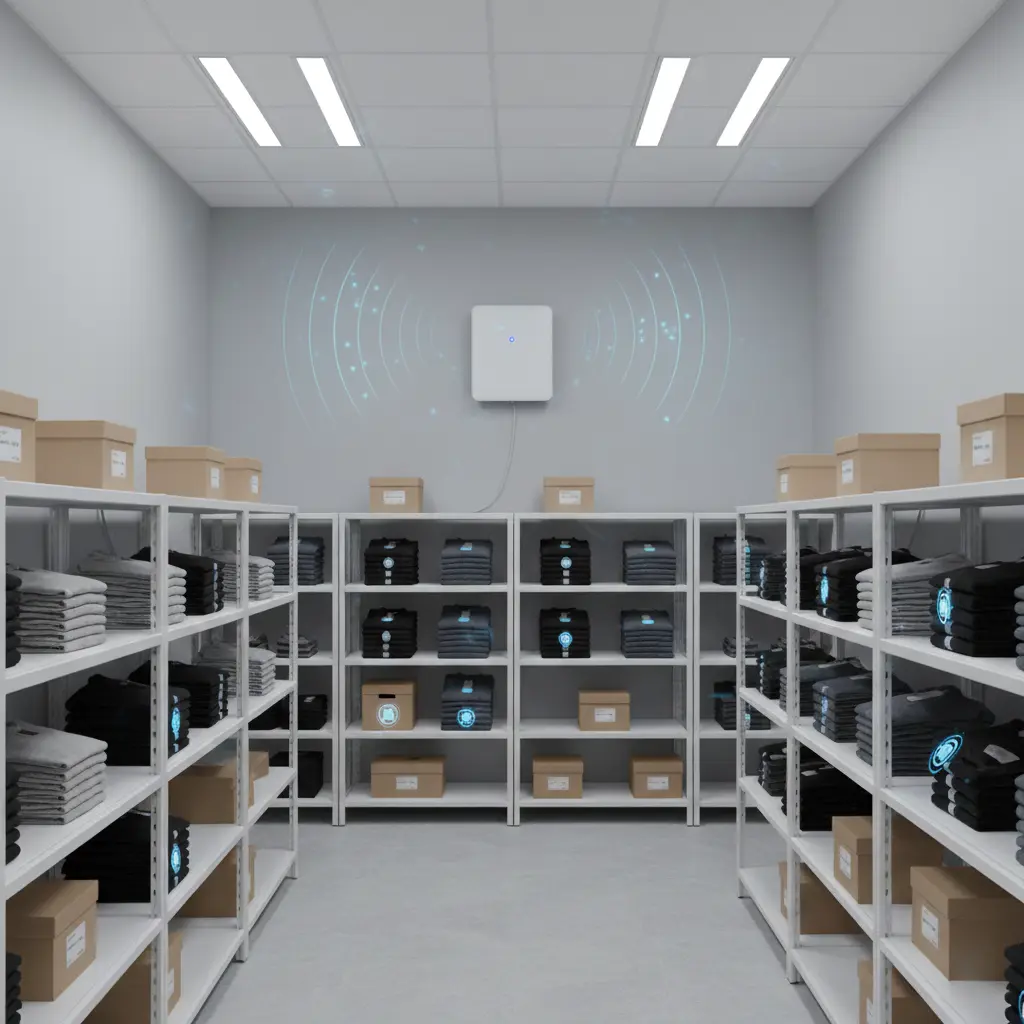
Understanding the Hardware Ecosystem
I remember my first day in the Fongwah factory assembling readers. I realized that the hardware is just a communication team. To create a successful system, you must understand the role of each player. If one part fails, the whole team fails.
- The Tag (The Identity): This is the label you put on your product. It contains a small microchip and a tiny antenna. The chip stores unique data, like a serial number. The antenna catches radio waves.
- The Antenna (The Messenger): This device connects to the reader. It acts like a loudspeaker. It broadcasts the signal into the air. It also acts like an ear. It listens for the tiny whisper from the tag.
- The Reader (The Brain): This is the computer of the operation. It generates the signal. It also processes the data that comes back. It connects your physical items to your digital software.
When I moved from production to engineering, I saw many clients ignore the antenna. They bought expensive readers but cheap antennas. This is a mistake. The antenna defines your "read zone." It determines where you can see your tags. You must match these three components perfectly. When they work together, they turn physical movements into digital data instantly. This removes the "black box" of your supply chain. You finally see what is happening in real-time.
How Do Energy and Data Move Between Devices?
You might worry about the maintenance cost of thousands of tags. Changing batteries in every single pallet label sounds like a logistical nightmare. Luckily, the most common logistics tags do not use batteries at all.
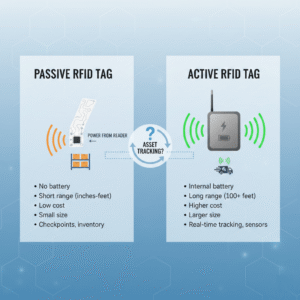
Passive RFID tags operate without internal batteries. They use the electromagnetic energy transmitted by the reader to wake up. Through a process called backscatter, the tag modulates this energy to reflect its unique data back to the reader for processing.

The Science of Passive Tracking
When I train new staff at Fongwah, I always start with the concept of "coupling." It sounds like complex physics, but it is actually simple. Most supply chain tags are "Passive." This means they sleep until they hear a reader. They do not have their own power source.
Here is how the magic happens: The reader sends out a radio wave. This is pure electromagnetic energy. When this wave hits the tag's copper antenna, it creates a small electric current. This current is enough to wake up the chip. The chip is now alive. But how does it talk back without a radio transmitter?
It uses a method called "Backscatter." Imagine you are in a dark warehouse with a flashlight. You shine your light at a mirror across the room. The mirror reflects the light back to you. If you cover and uncover the mirror rapidly, you can send a signal. Passive tags do this with radio waves. They reflect the reader's energy back. They change the pattern of the reflection to carry their ID code.
This mechanism is crucial for your business. Because there is no battery, the tag is cheap. It creates a low barrier to entry. You can tag thousands of items for pennies. Also, the tag lasts for years. You do not maintain the tags; you only maintain the readers. This makes high-volume tracking financially possible.
Which Frequency Is Best for Your Business Operations?
Choosing the wrong frequency will ruin your entire RFID project. You cannot use the same scanner for pet tracking that you use for warehouse pallets. You need to pick the specific lane that fits your data needs.
RFID operates on three primary frequencies: Low Frequency (LF), High Frequency (HF), and Ultra-High Frequency (UHF). LF is for short-range access; HF is for payments; UHF is the standard for long-range supply chain and asset tracking.

Selecting the Right Standard
In my 5 years here, I have seen clients buy the wrong gear often. They buy HF readers for a large warehouse. That simply does not work. You must understand the spectrum to make a smart investment. Different frequencies act differently in the physical world.
Here represents a breakdown of the three main types:
| Feature | Low Frequency (LF) | High Frequency (HF) | Ultra-High Frequency (UHF) |
|---|---|---|---|
| Range | Very Short (< 10 cm) | Short (10 cm - 1 m) | Long (3 m - 12 m+) |
| Speed | Slow Data Transfer | Moderate Speed | Extremely Fast |
| Common Use | Animal Tracking, Access Cards | Payments (NFC), Library Books | Supply Chain, Retail Inventory |
| Interference | Good near metal/water | Moderate | Sensitive to metal/water |
For most business applications, UHF is the winner. This is what we focus on at Fongwah for logistics clients. UHF (RAIN RFID) allows you to read hundreds of tags in seconds. A forklift can drive through a gate, and the reader captures every box on the pallet instantly.
However, UHF has weaknesses. It struggles around water and metal. The radio waves bounce off metal and get absorbed by water. If you track liquid containers, you need specialized UHF tags. Understanding this table is your first step toward a lower Total Cost of Ownership (TCO). It ensures you buy the right tool for the job.
Conclusion
RFID is not just technology; it is a data acquisition tool. It eliminates guessing. Now that you understand the basics, you must consider the costs. Read my next article on RFID Implementation Risks and TCO to plan your budget correctly.
---