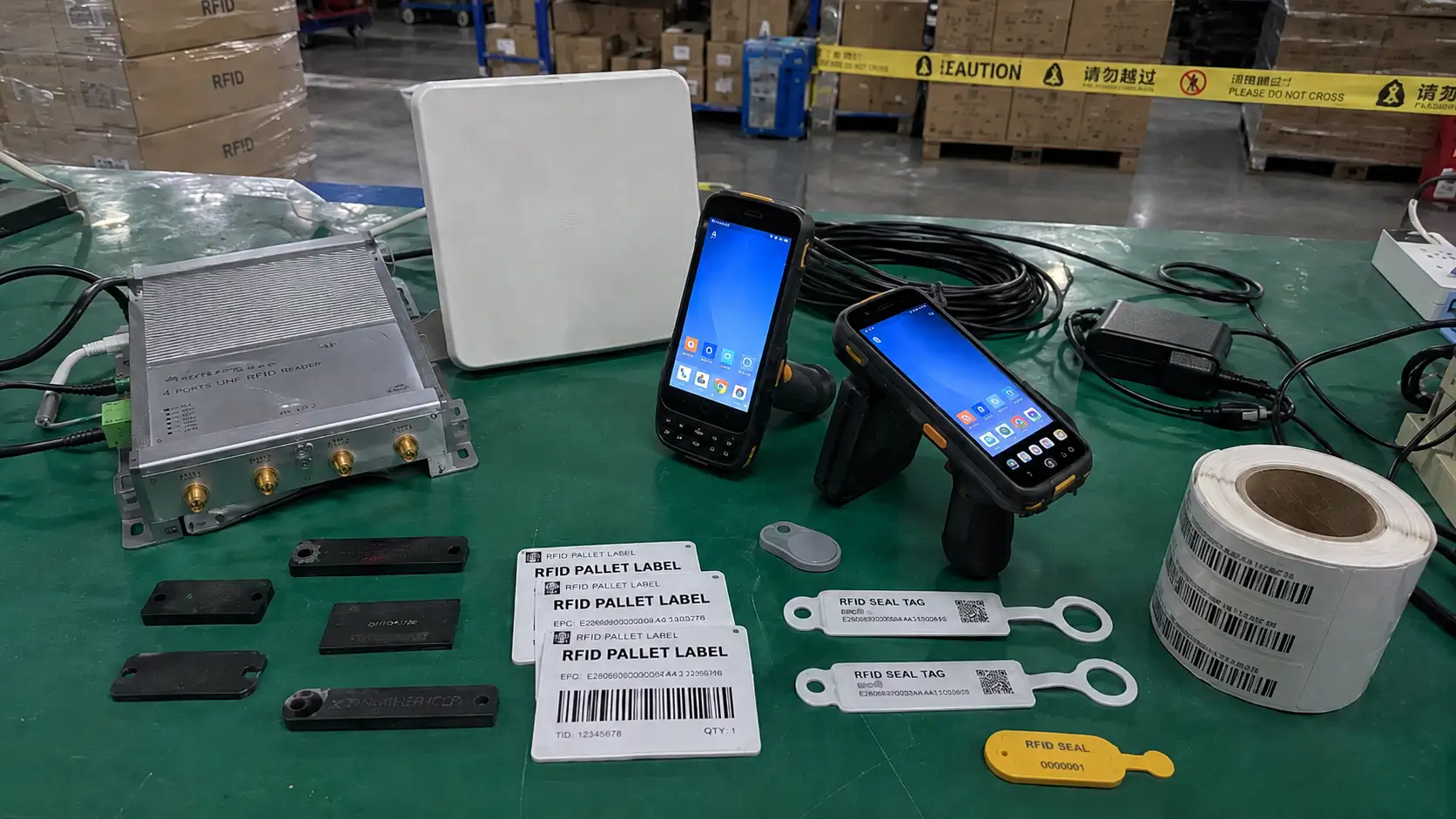
Struggling with slow, manual tracking? These errors cost you money and customers. RFID offers real-time visibility, transforming your logistics operation.
RFID uses radio waves to automatically identify items. In logistics, it boosts efficiency by tracking products in warehouses and during shipping. This reduces manual work, cuts errors, and improves inventory accuracy.
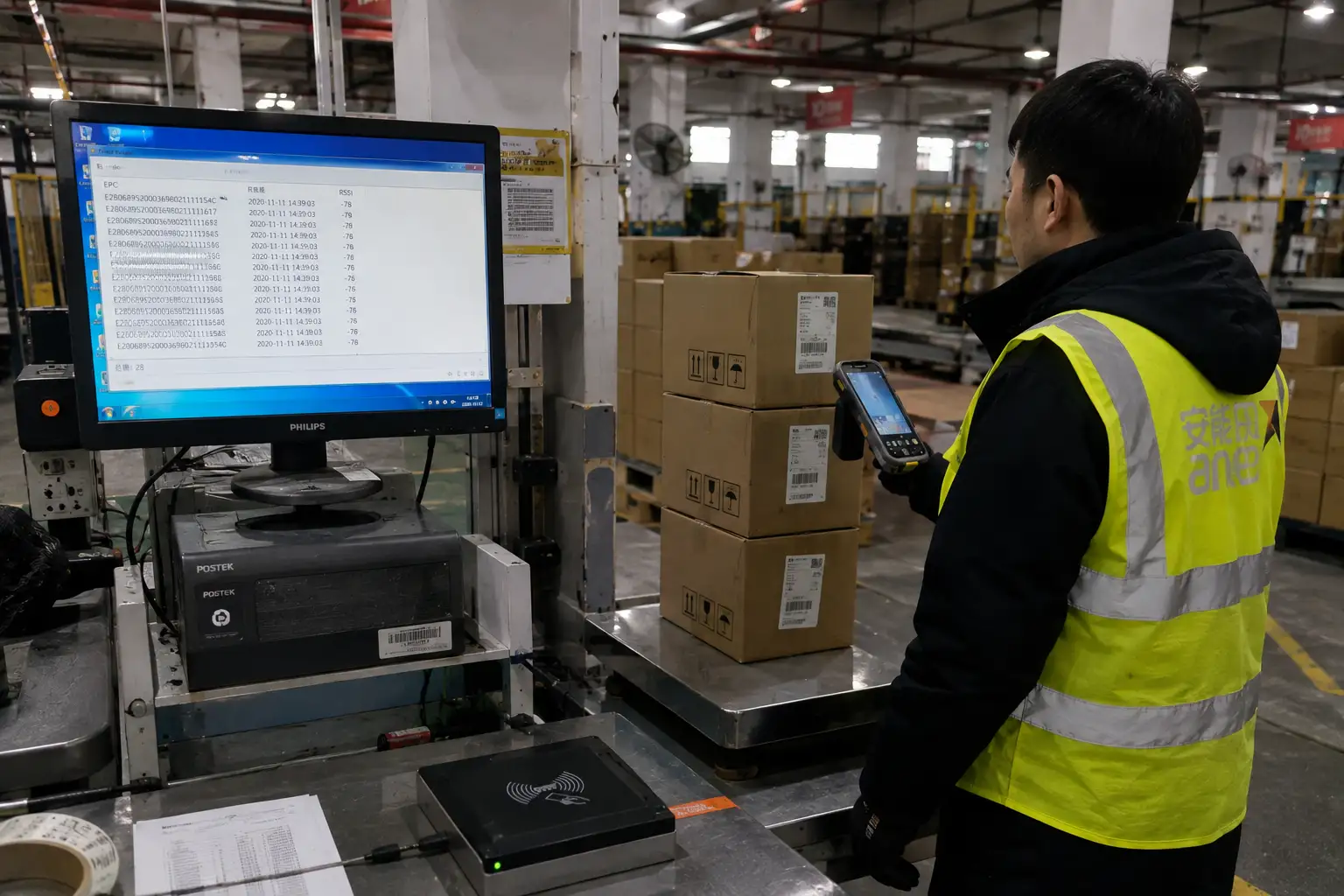
From a buyer's perspective, you don't just buy technology; you buy solutions to operational problems. Logistics is full of them: lost items, slow processing, and inaccurate data. RFID is not magic, but it is one of the most effective tools for these issues because it gives you visibility into everything, everywhere, in near real time. Let's break down how it actually works in practice.
To go deeper, see our guide on what an RFID reader does.
How does RFID revolutionize warehouse management?
Are your warehouse operations plagued by manual scanning errors? This creates bottlenecks in receiving and shipping. RFID portals read entire pallets instantly, clearing these jams.
RFID automates key warehouse tasks like receiving, put-away, and shipping. It uses gates and handheld readers to scan many items at once. This eliminates manual barcode scanning and improves speed and accuracy.
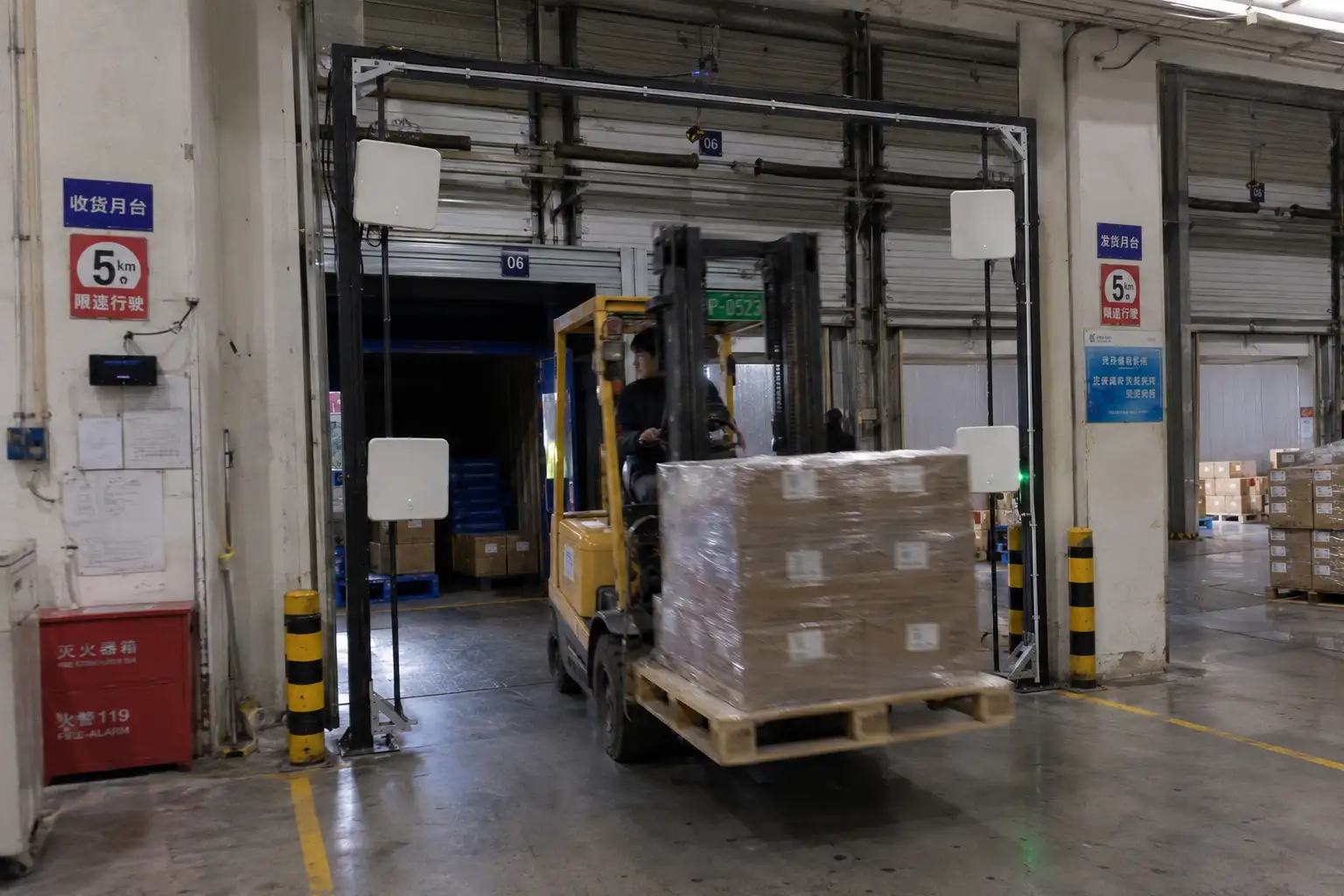
Manual processes are slow and mistakes are inevitable: a tired worker can easily miss a box or scan the wrong one. RFID changes that dynamic. When you're buying a system, you're buying speed and certainty. Picture a forklift loaded with goods driving through a dock door: an RFID portal reads every tag on that pallet in seconds and the warehouse management system (WMS) updates instantly, with no manual scanning. It is a step-change in both speed and accuracy, and that cleaner data improves every step that follows.
Inbound and Outbound Flow
When goods arrive, they pass through an RFID portal. Your system immediately confirms the contents against the purchase order. Any discrepancies are flagged right away, not days later. For outbound shipments, the process is reversed. As a pallet is loaded onto a truck, a final scan verifies the order is complete and correct. Operations that previously lost thousands each month to shipping errors routinely reach 100% shipping accuracy once RFID portals are in place.
Internal Inventory Control
For inventory, staff can use handheld RFID readers. They can perform cycle counts by simply walking down an aisle. What used to take a team of people a full day can now be done by one person in under an hour.
| Task | Manual Barcode Method | RFID Method | Key Benefit |
|---|---|---|---|
| Receiving | Scan each box individually. | Drive pallet through a portal. | 90% faster, instant verification. |
| Cycle Count | Scan items one by one. | Walk aisles with a handheld reader. | 95% faster, less labor intensive. |
| Shipping | Scan each item as it's loaded. | Drive loaded pallet through a portal. | Eliminates shipping errors. |
Can RFID improve in-transit visibility and security?
Once a shipment leaves, is it a black hole until it arrives? This uncertainty causes delays and makes theft harder to pinpoint. RFID creates a digital trail with automated checkpoints.
Yes, RFID provides automated checkpoints throughout the supply chain. Fixed readers at key locations track goods as they move. This enhances visibility and can alert you to unauthorized movement or tampering.
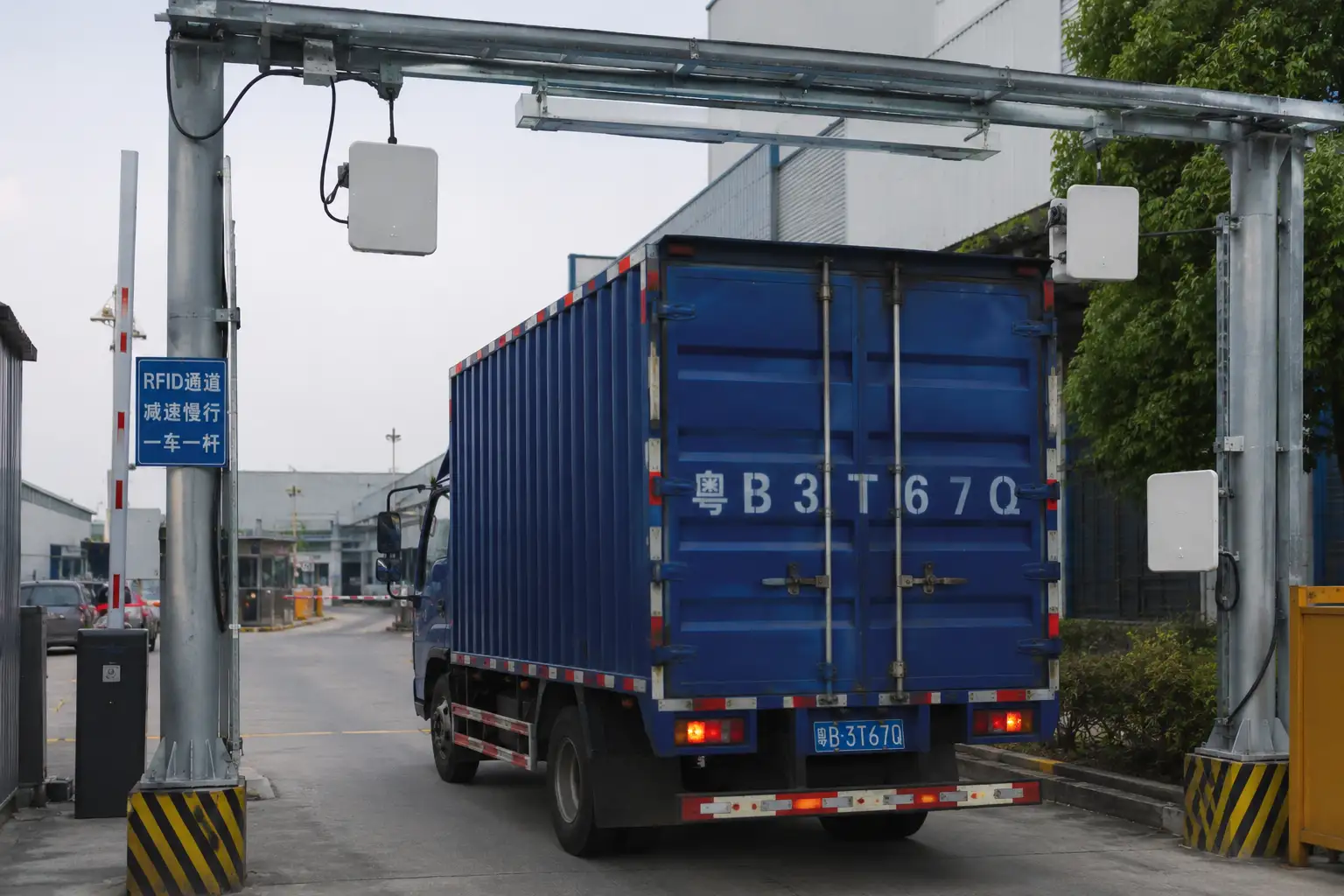
From a buyer's standpoint, the four walls of the warehouse are only part of the problem. The real chaos often happens between facilities. A shipment can travel hundreds or thousands of miles, so knowing its status is critical for high-value or time-sensitive goods. Consider a pharmaceutical distributor moving temperature-sensitive products: the concern is not just a truck's GPS location but the condition of the assets inside it. Pairing RFID tags with temperature sensors, and placing fixed readers at distribution centers and partner facilities, builds a chain of custody. If a shipment misses a checkpoint or a tag reports a temperature anomaly, the system raises an immediate alert. That is proactive control: you intervene before a problem becomes a loss, instead of reacting after the fact.
Automated Digital Handshakes
When a truck leaves your DC, a reader logs all items out. When it arrives at the next node, another reader logs them in. This creates an automated, error-free "digital handshake" between locations. You know exactly what was where, and when.
Enhanced Security with Tamper-Evident Tags
For high-value goods, you can use tamper-evident RFID tags. These are often used on crates or pallets. If someone tries to open the container, the tag's circuit is broken. The next time the tag is read, it will report a "tampered" status. This provides undeniable proof of a security breach.
| Feature | Description | Benefit for Security |
|---|---|---|
| Automated Checkpoints | Fixed readers at gates and docks. | Creates a time-stamped location history. |
| Sealed Cargo | RFID tags are placed on pallet shrink-wrap or container seals. | Any tampering is immediately detectable. |
| Data Alerts | System sends notifications for unexpected events. | Allows for immediate response to theft or loss. |
| Chain of Custody | A complete digital record of responsibility. | Reduces disputes and helps with insurance claims. |
What is the ROI of using RFID for reusable asset tracking?
Are you constantly losing pallets, totes, or containers? These replacement costs add up and hurt your bottom line. RFID tracks these assets, ensuring they return.
RFID offers a strong ROI by tracking the location and lifecycle of reusable assets. It reduces asset loss, optimizes utilization, and cuts replacement costs, typically paying for itself within 1-2 years.
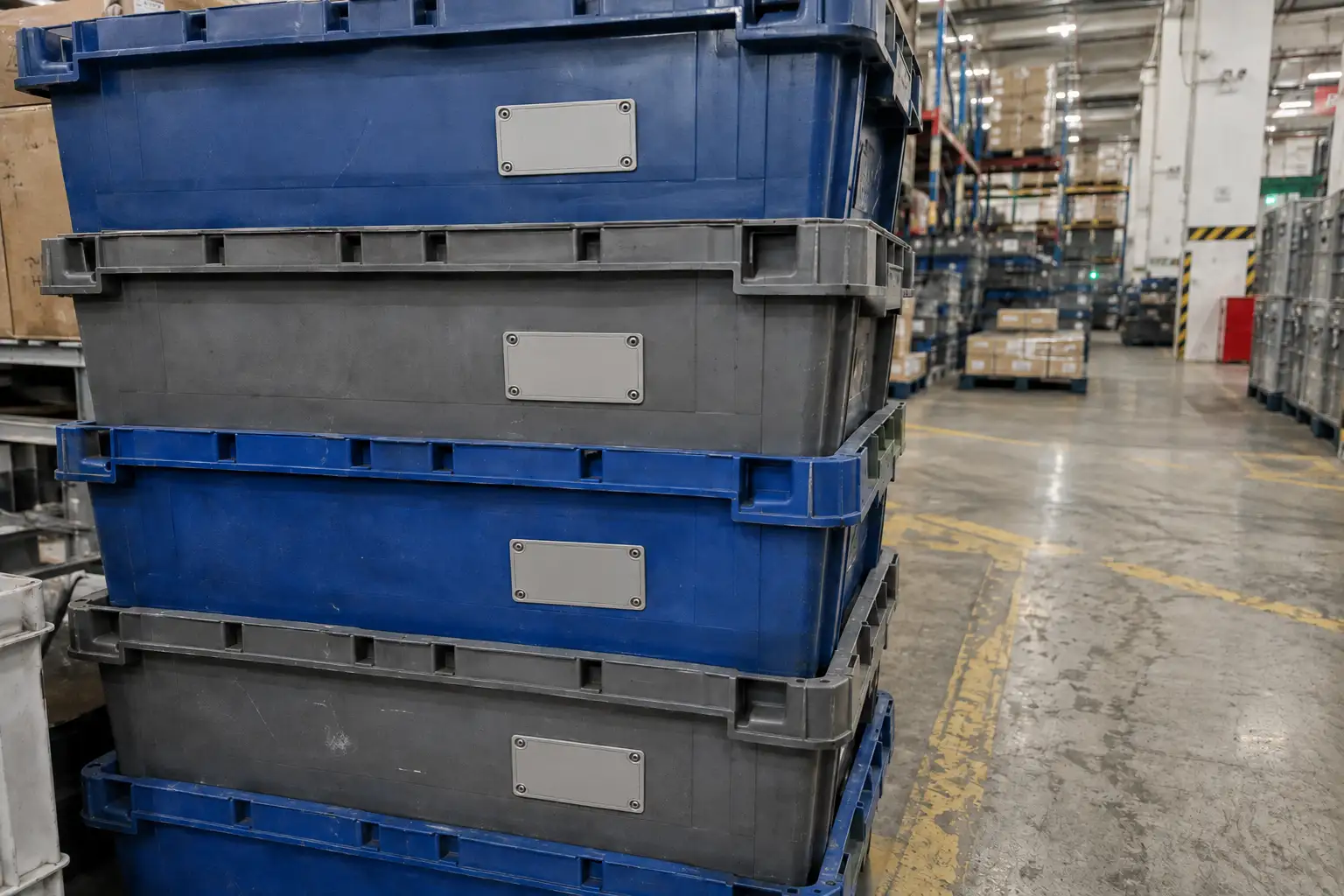
Operations that track returnable assets almost always find the same thing: the line item for "lost assets" is shockingly large. Companies write off millions of dollars in lost pallets, kegs, and industrial containers every year, a direct hit to profitability. As a buyer, you need to justify any new expense, and RFID for Returnable Transport Items (RTIs) is one of the easiest business cases to make. The math is simple. You tag each asset and place readers at your own facilities and, ideally, at your partners' or customers' locations. Now you know exactly who holds your assets and for how long. You can automate billing for unreturned items, optimize your asset pool, and stop over-buying just to cover expected losses.
Calculating the Return
The ROI comes from three main areas. First, direct cost reduction from not having to replace lost assets. Second, improved operational efficiency because you spend less time searching for or waiting for available RTIs. Third, better capital allocation because you can maintain a smaller, more efficient pool of assets.
A Real-World Example
A large bakery client of ours was losing thousands of plastic bread trays each month. They were a necessary cost of business. After deploying an RFID tracking system, they reduced their annual tray loss by over 85%. The system paid for itself in just over a year.
| Cost Factor | Cost Without RFID (Annual Example) | Cost With RFID (Annual Example) | Annual Savings |
|---|---|---|---|
| Asset Replacement | $500,000 (10,000 assets @ $50) | $75,000 (15% loss rate) | $425,000 |
| Manual Labor (Tracking) | $100,000 (2 FTEs) | $20,000 (Less time needed) | $80,000 |
| Fines/Disputes (Lost to partners) | $50,000 | $5,000 | $45,000 |
| Total Annual Impact | -$650,000 | -$100,000 | $550,000 |
Frequently Asked Questions
Q: How is RFID used in logistics and supply chain?
A: RFID tracks pallets, cartons, and returnable assets from receiving to shipment, giving real-time visibility at dock doors, in yards, and across the network without manual scanning.
Q: Can RFID track a pallet through the whole supply chain?
A: Yes. A portal reader at the dock door reads a full pallet in seconds and cross-checks tags against the advance shipping notice, creating a continuous digital thread from receipt to shipment.
Q: Does RFID work in warehouses with metal racking?
A: It works, but metal reflects UHF energy. Use on-metal tags and tune reader placement and power during a site survey to avoid dead spots.
Q: What RFID frequency is best for logistics?
A: UHF (860-960 MHz) is the default for logistics because it reads many tags fast at several metres; HF suits item-level or NFC use cases, and LF is for short range near metal or liquid.
Q: How does RFID reduce logistics labor costs?
A: It removes manual barcode scanning at receiving, put-away, and shipping, cutting the hours a team spends counting and freeing staff for higher-value work.
Q: Is RFID better than barcode for logistics?
A: For high-volume, line-of-sight-free, bulk reads, yes. Many operations keep both: RFID for flow and barcodes for exceptions or low-volume items.
Conclusion
RFID is a strategic investment in logistics. It provides the visibility, efficiency, and data accuracy needed to compete, delivering a clear return on investment.