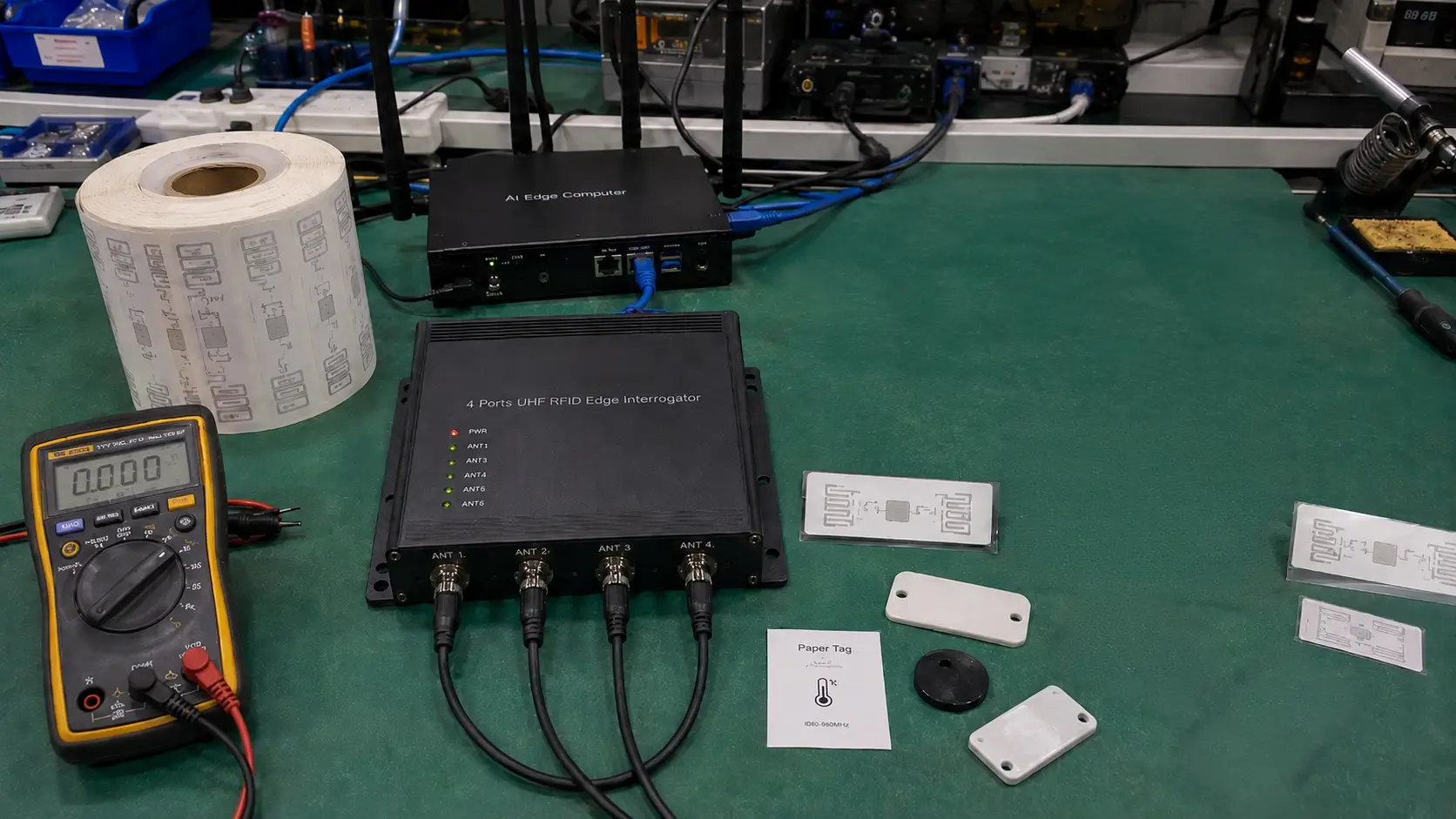
Tired of current RFID limitations? Choosing the wrong technology path means wasted investment. Looking ahead helps teams make smarter, future-proof decisions for their systems.
The future of RFID is smaller, smarter, and more connected. It will merge with IoT and AI, embed advanced sensors, and become more sustainable. Together these create data-rich environments — moving beyond simple identification toward intelligent, real-time sensing and decision-making across LF, HF, and UHF systems.

That's the big picture. But for buyers making budget and integration decisions, the real question is what this means in practice. Twenty years in RFID hardware manufacturing — much of it on the Fongwah factory floor — shows that practical application is everything. The theory is useful, but what matters is how these trends affect deployment and return on investment. The sections below break down the key areas buyers and strategists should watch.
To go deeper, see our guide on what RFID technology is.
How will RFID integrate with IoT and AI?
Is RFID data still sitting in a standalone database? That isolation creates blind spots. Integrating UHF RAIN RFID with IoT and AI turns raw read data into predictive insight for operations.
RFID — especially UHF RAIN RFID built on EPC Gen2v2/Gen2v3 (ISO 18000-6C) — becomes a primary data source for IoT networks. AI then processes that real-time data to predict maintenance needs, optimize supply chains, and automate complex decisions, building a truly intelligent system rather than a simple tracking tool.
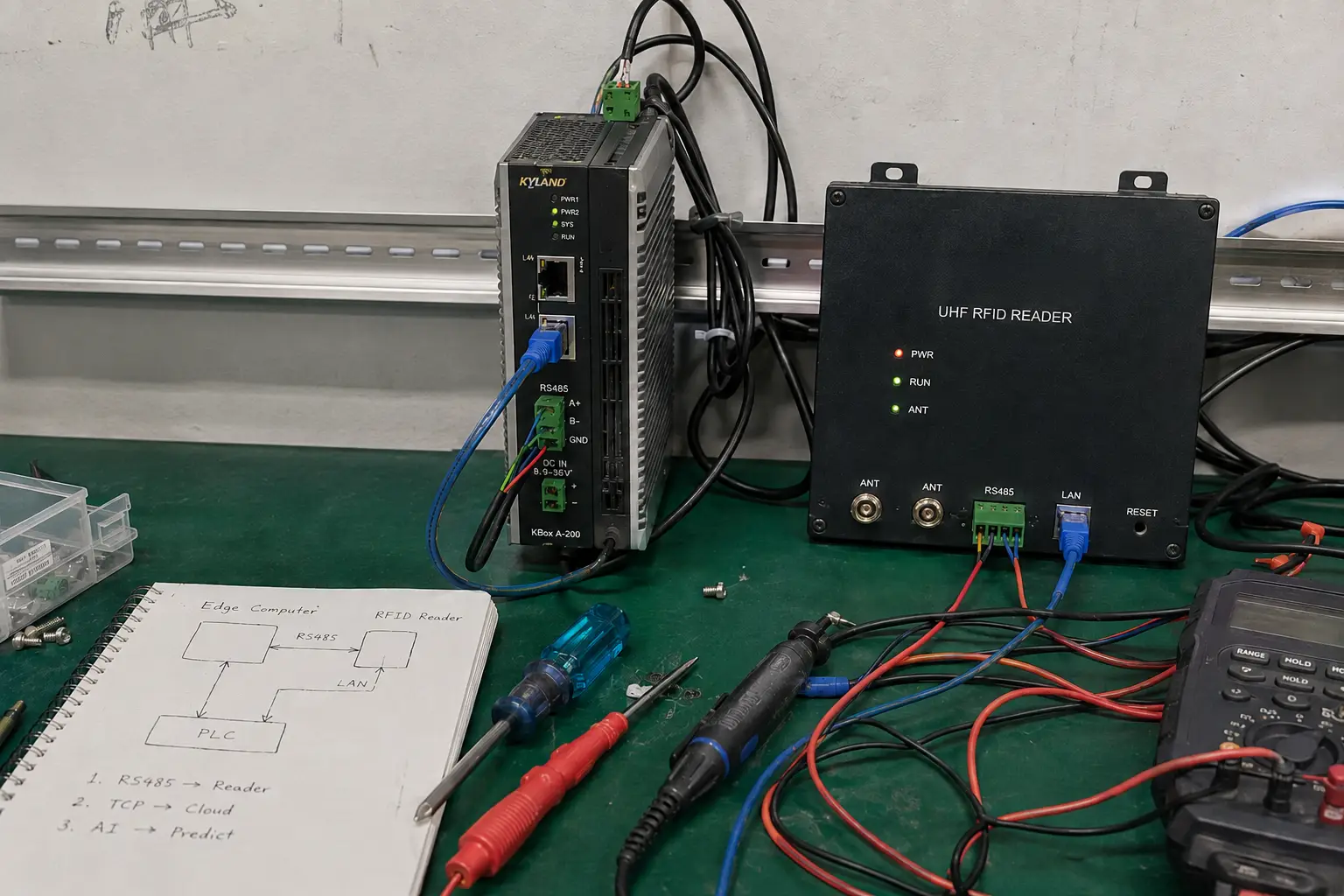
Years ago, the main goal was simply a successful tag read. Today, that read is only the start of the data journey. The real value is not just knowing an item passed a checkpoint, but acting on that information — which is where IoT and AI change the equation. For buyers and implementers, this shifts how RFID systems are evaluated. Teams are no longer just procuring tags and readers; they are investing in data ecosystems. A practical evaluation now looks beyond read rates to APIs, cloud integration, and analytics-platform experience. The focus has moved from hardware performance to data intelligence.
From Data Points to Predictive Power
The combination of these technologies elevates RFID from a reactive tool to a proactive one. Instead of just reacting to an empty shelf, an AI-driven system can predict stockouts based on real-time flow and external data.
| Feature | Traditional RFID System | RFID with IoT & AI |
|---|---|---|
| Data Purpose | Identification and tracking | Prediction, analysis, and automation |
| Decision Making | Manual, based on past data | Automated and predictive, based on real-time data |
| System Focus | Where is my asset? | What is the status and future of my asset? |
This is a fundamental change. RFID investment can now directly help prevent downtime, cut waste, and improve efficiency in ways that were not possible before.
Does your tag only give you an ID number? For sensitive assets, that's not enough. The next generation of tags includes built-in sensors for complete condition monitoring.
Yes — the future is in sensor-integrated RFID tags. These smart tags actively monitor temperature, humidity, shock, and more, turning simple labels into dynamic data loggers that provide proof of quality and asset integrity.
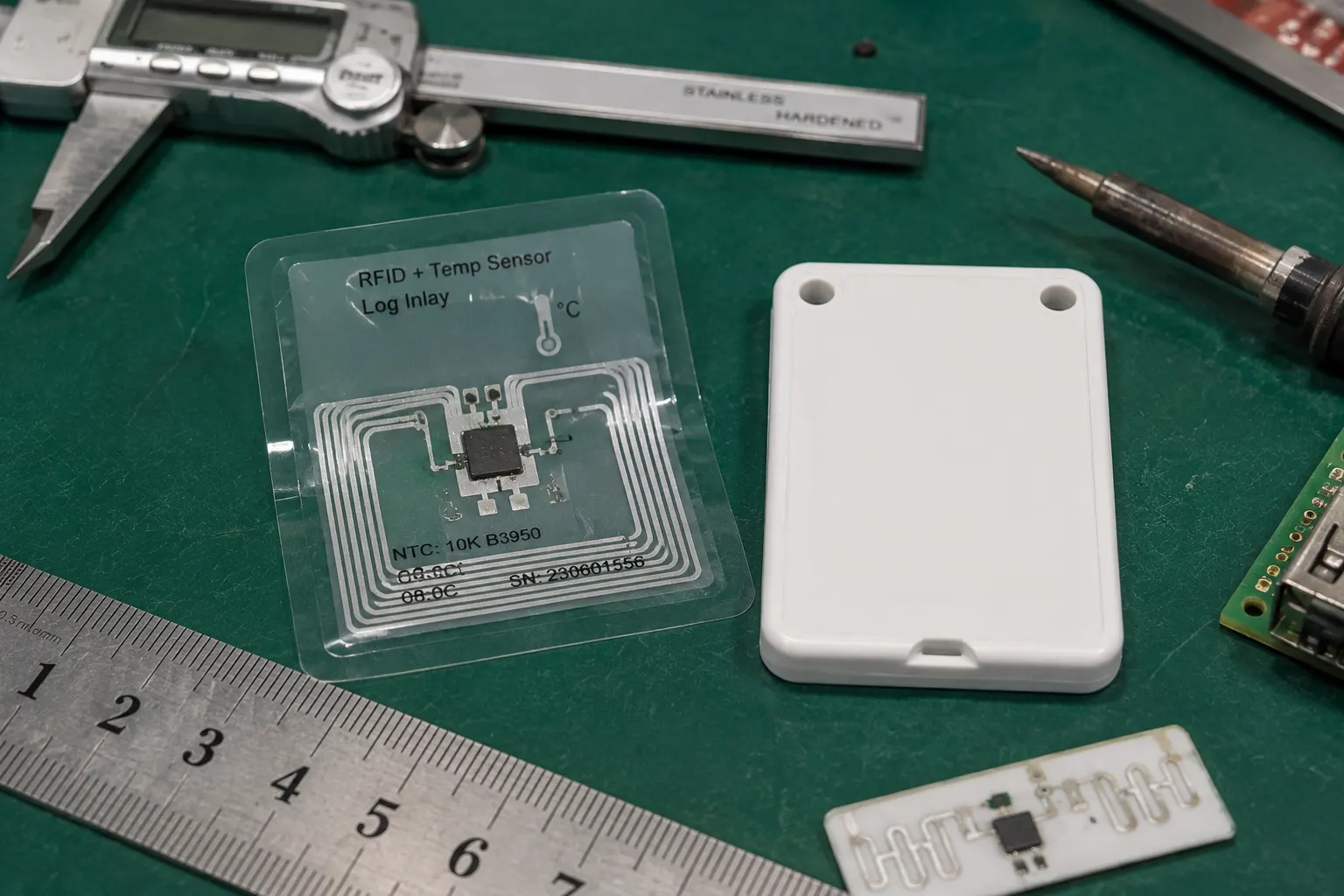
One project used RFID to track crates of sensitive electronic components. The crates' location was known, but there was no visibility into whether they had been exposed to damaging humidity in transit — and a whole batch was ruined. Sensor tags solve exactly this problem: the tag itself becomes the guardian of the asset. For buyers, this opens new applications in cold chain, pharmaceuticals, and high-value manufacturing. The cost per tag is higher, but the ROI is easily justified when a single high-value shipment is protected. The model is shifting from simple proof of presence to proof of quality.
The Rise of the "Sensing" Tag
This technology is a game-changer for supply chain integrity. It provides the data needed to enforce quality standards and assign accountability when things go wrong. When evaluating these tags, the key question is the specific problem they solve.
| Sensor Type | Primary Application | Key Benefit for Buyers |
|---|---|---|
| Temperature | Cold chain, pharmaceuticals | Provides an unbroken record for quality and compliance. |
| Humidity | Electronics, wood, paper | Prevents damage from moisture exposure. |
| Shock/Vibration | Fragile goods, art, machinery | Identifies mishandling events during transit. |
For anyone in logistics or quality control, this is huge. It means your RFID system isn't just an operational tool; it's a risk management asset. It provides the data to prove compliance and protect your products.
Is sustainable RFID the next big shift for supply chains?
Worried about the e-waste from your RFID project? This is a growing concern for compliance and brand image. Sustainable RFID offers a green and efficient solution.
Yes, this is a critical shift. Customers and regulators are demanding greener technology, and the future includes paper-based antennas, biodegradable materials, and even chipless designs. Sustainability is quickly becoming a core purchasing factor.
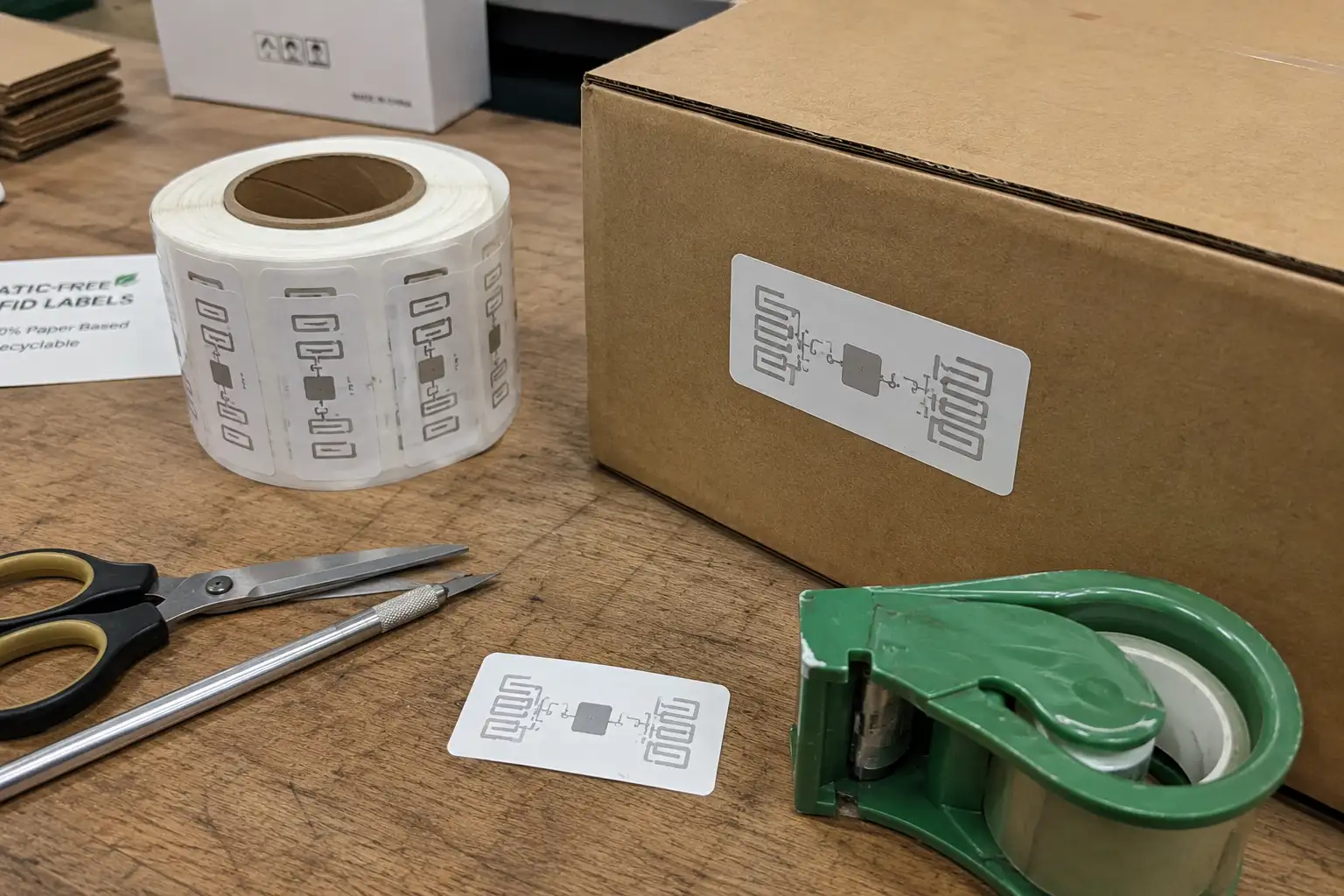
For budget owners, cost per tag is always a focus. For years, the cheapest option usually won — but that is changing. ESG (Environmental, Social, and Governance) goals are now part of the purchasing decision. A European customer recently asked for the end-of-life plan for the tags applied to their products; that request was a wake-up call. Sustainability is no longer a nice-to-have but a business requirement. The challenge is finding solutions that are both eco-friendly and performant. Buyers should seek suppliers innovating in this area, because greener compliance will soon be non-negotiable.
Balancing Cost, Performance, and Planet
The good news is that the industry is responding. New materials and manufacturing processes are emerging that reduce the environmental footprint of RFID without a massive impact on performance or cost.
| Sustainable Approach | How It Works | Main Advantage |
|---|---|---|
| Paper-Based Tags | Uses conductive ink printed on paper substrate. | Reduces plastic and metal, easier to recycle. |
| Chipless RFID | Uses RF-reflective particles, no silicon chip. | Eliminates electronic waste, very low cost. |
| Recyclable Inlays | Designed so the antenna can be easily separated. | Simplifies the recycling process for products. |
This trend is about more than being green. It is about building a circular economy and a more resilient supply chain. As RFID is deployed across billions of items, the full lifecycle deserves attention. Choosing sustainable options is an investment in a brand's future.
Frequently Asked Questions
Q: What is the future of RFID technology?
A: Expect cheaper tags, sensor-enabled smart tags, tighter AI-driven analytics, and broader regulation-driven use such as the EU Digital Product Passport.
Q: How will AI change RFID tracking?
A: AI turns raw reads into predictions: smarter replenishment, anomaly detection, and automated root-cause analysis across the supply chain.
Q: What is the EU Digital Product Passport and does it use RFID?
A: The DPP is an EU initiative to make product origin and sustainability data accessible; RFID and NFC are natural carriers for linking a physical item to its digital record.
Q: Will RFID tags get cheaper?
A: Yes. Volume, source tagging, and manufacturing scale keep driving per-tag cost down, widening where RFID is economical.
Q: What new RFID trends should businesses watch?
A: Sensor-equipped tags, circular-economy tracking, multi-region readers, and integration with IoT and ERP platforms are the key 2026 trends.
Q: Is RFID moving to sensor-enabled smart tags?
A: Increasingly yes. Tags that also measure temperature, shock, or humidity are growing in pharma, food, and high-value logistics.
Conclusion
The future of RFID is not just about tracking — it is about sensing, thinking, and being responsible. Prepare strategy for this intelligent, connected, and greener evolution of the technology.