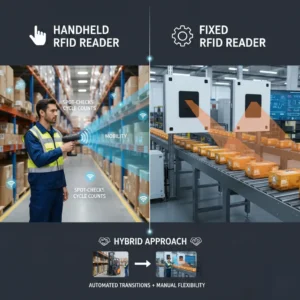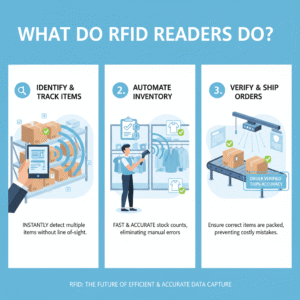

Losing track of valuable assets eats directly into your bottom line. You struggle with ghost inventory, repurchasing equipment you already own but cannot find.
Active RFID provides constant signals for high-value items, while Passive RFID offers cost-effective checkpoint tracking. Choosing the right configuration depends on whether you need precise real-time location or zone-based visibility to maximize your ROI.

I see many facility managers make expensive mistakes during the planning phase. You might feel pushed to buy the most expensive "live tracking" system available. However, expensive does not always mean better for your specific needs. The following insights will help you choose the right path.
When Should You Use Active RFID Tags vs. Passive UHF Gen2?
Choosing the wrong tag type destroys your project budget immediately. You risk either overpaying for tracking features you will never use or failing to capture critical data.
Use Active RFID for high-value, mobile assets requiring constant state monitoring over huge areas. Use Passive UHF Gen2 for high-volume items where zone-level tracking at specific checkpoints provides enough visibility.
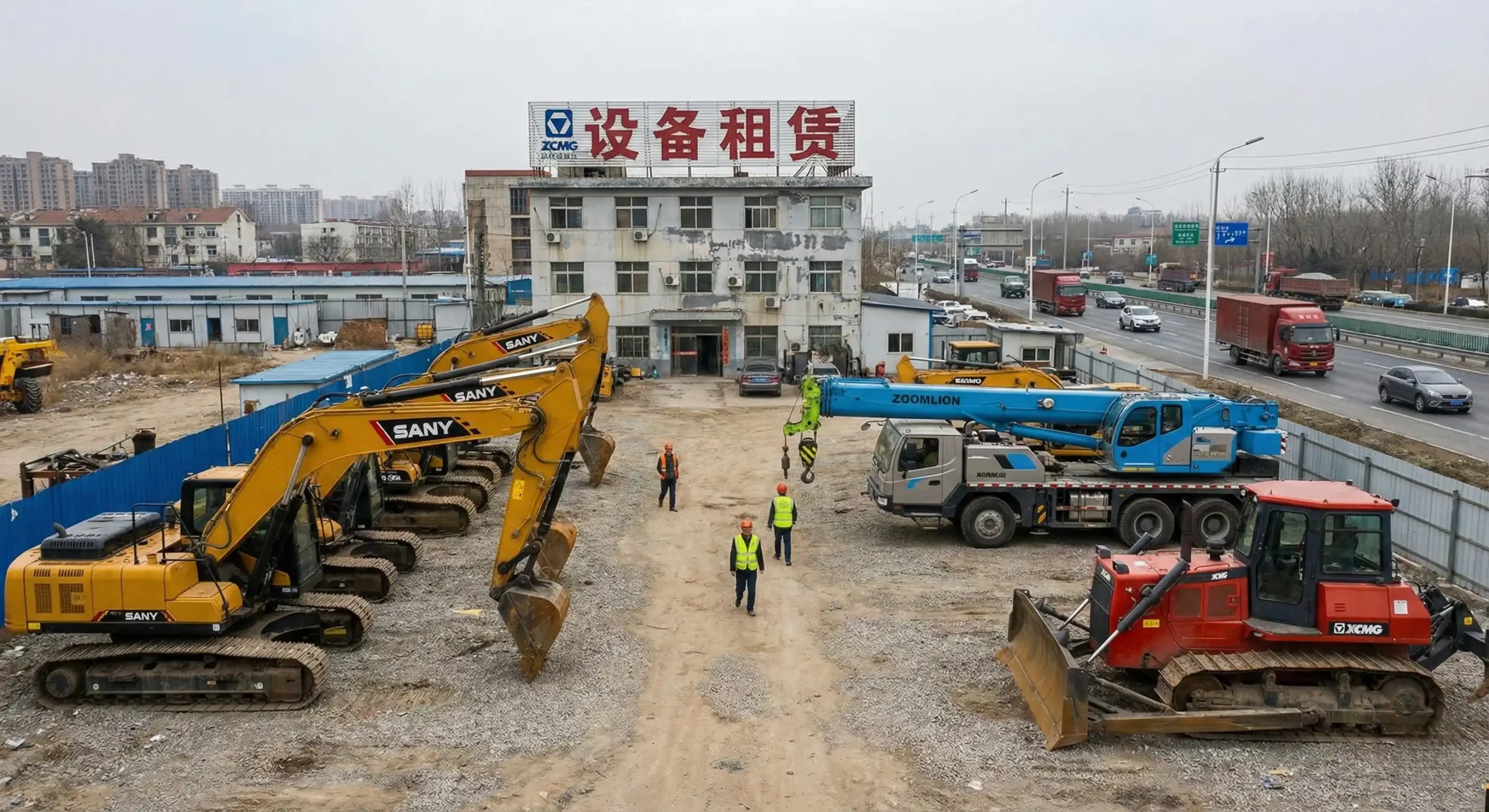
I have worked with clients who wanted to tag every single plastic pallet with an Active RFID tag. I had to stop them. That is burning money. The core difference lies in the power source. Active tags have an internal battery. They "shout" their presence to the reader constantly. This allows them to be read from very far away, sometimes 100 meters or more. They are perfect for tracking large generators in a laydown yard or expensive medical devices in a hospital. However, they cost $20 to $50 each. Batteries also die and need replacing.
Passive tags, specifically UHF Gen2, have no battery. They sleep until a reader "wakes" them up with radio waves. They are cheap, often costing cents. In my early days as an engineer, I learned that passive technology is about volume. If you have 10,000 items, you want passive tags. The trade-off is range. You generally get 5 to 15 meters. For a rental company, use Active tags for the bulldozers. Use Passive tags for the smaller tools and attachments. Mixing these technologies in a hybrid solution is often the smartest move. You must match the tag cost to the asset value.This is where we step in: Fongwah can help you integrate both systems. Use our UHF Readers for 90% of your assets, and we’ll recommend trusted partners for the 10% active needs.
Is Live Tracking by RFID Possible with Fixed Infrastructure?
Managers often ask if they can see dots moving on a map in real-time. They feel disappointed when standard passive systems do not look like a GPS navigation screen.
Yes, live tracking is possible effectively. While Active RFID gives true real-time data, deploying an RFID Reader Long Range network creates "zones." This simulates live tracking by updating locations instantly as items move past fixed points.
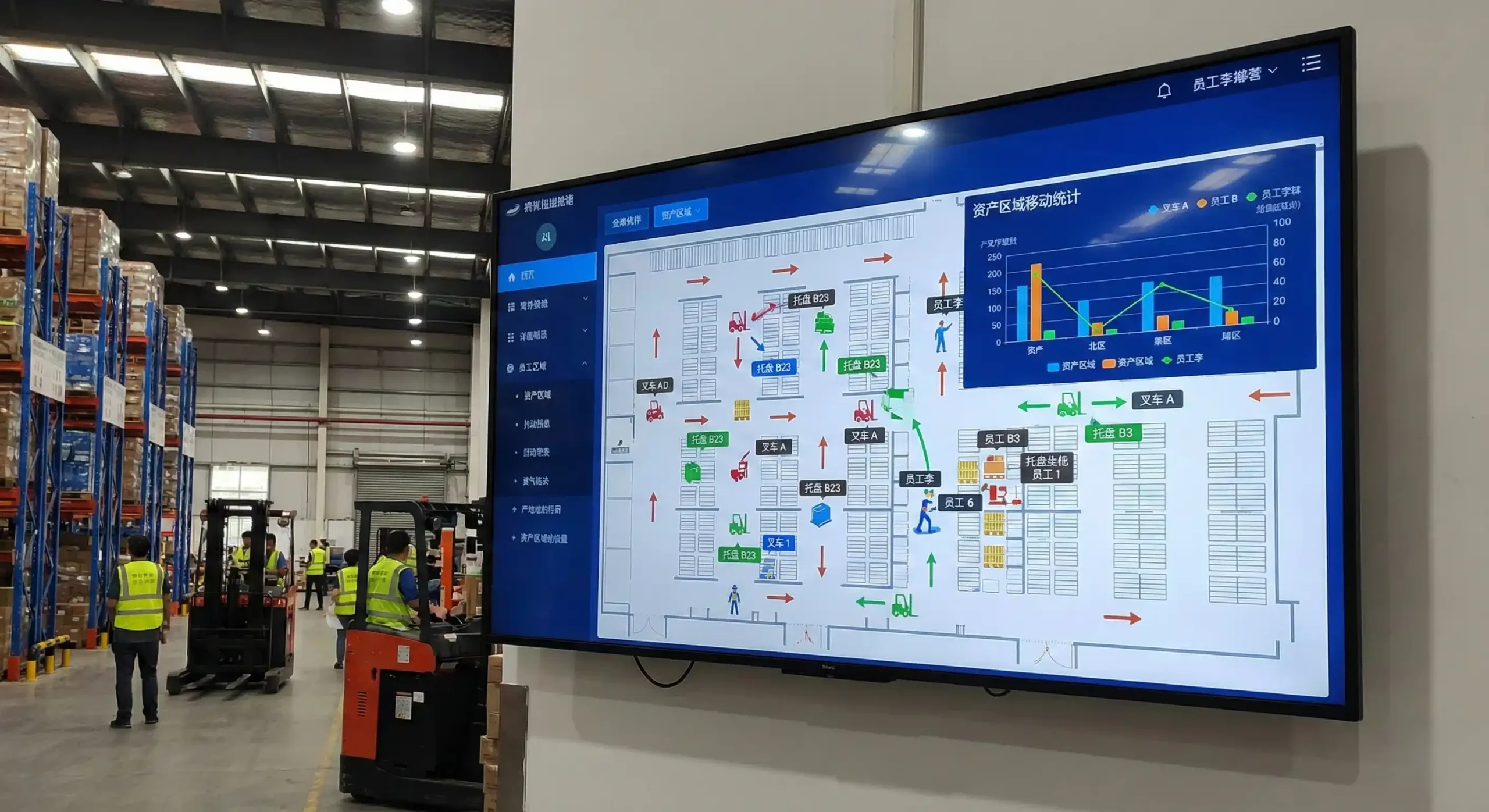
Is live tracking by RFID possible? The answer depends on your infrastructure. True "Real-Time Location Systems" (RTLS) usually rely on Active RFID or Wi-Fi triangulation. This shows you exactly where an item is within a few feet at all times. But for 90% of businesses, this is overkill. I advise my clients to think about "Zonal" tracking instead.
With Zonal tracking, we use the RFID Reader Long Range capabilities of passive readers. We place antennas at "choke points"—doorways, aisle entries, and conveyor transitions. When an asset moves from the "Assembly" zone to the "Shipping" zone, the reader captures it instantly. Your software updates the status. To the user, this feels like live tracking. You know the item is in Shipping. Do you really need to know it is three feet from the left wall? Usually, no.
We can also use "phased array" antennas overhead. These sweep the room like a radar. They can give you a rough X,Y coordinate of passive tags. This technology bridges the gap. It gives you heat maps of inventory without the massive cost of Active tags. It solves the problem of "where is it right now?" by narrowing the search down to a specific room or aisle section.
What Is the Cost-Performance Analysis for Large-Scale Deployments?
Scaling up a pilot project often reveals hidden costs that break the business case. A system that works well for fifty items might bankrupt you when applied to fifty thousand.
Passive systems require higher initial infrastructure investment but offer negligible tag costs. Active systems have lower infrastructure needs but expensive, maintainable tags. For large scales, passive usually delivers better long-term ROI.

Let’s talk about money. I always tell my boss at Fongwah that we need to be honest with clients about the Total Cost of Ownership (TCO). In a large-scale deployment, the tag cost acts as a multiplier. If you have 50,000 assets, a $20 Active tag means a $1 million investment just in tags. Plus, you have to change 50,000 batteries every 3-5 years. That is a labor nightmare.
Passive technology flips the math. The tags might cost you $10,000 total. However, you need more readers. Because passive tags have a shorter range, you need to install readers at every gate and transition point to maintain visibility. The infrastructure cost is higher upfront. You need more cabling and more devices. But once it is installed, it is done. The tags last virtually forever.
Here is a simple breakdown I use to help clients decide:
| Cost Factor | Passive UHF Gen2 | Active RFID |
|---|---|---|
| Tag Cost | Low ($0.10 - $1.00) | High ($20.00 - $100.00) |
| Reader Infrastructure | High (More readers needed) | Low (Fewer readers needed) |
| Maintenance | Near Zero | High (Battery replacement) |
| Asset Volume suitability | High Volume (>1000 items) | Low Volume (<1000 items) |
| Best ROI Scenario | Manufacturing/Retail | Oil & Gas/Heavy Machinery |
For most manufacturing and logistics scenarios, the passive route wins on ROI after year one. You pay for the readers once, but you buy tags forever. Keeping the tag cost down is the secret to scalability.
Conclusion
Active RFID1 suits high-value, mobile assets, while Passive RFID2 wins on volume and long-term cost. Zonal tracking with passive readers offers the best balance for most industrial applications.
---