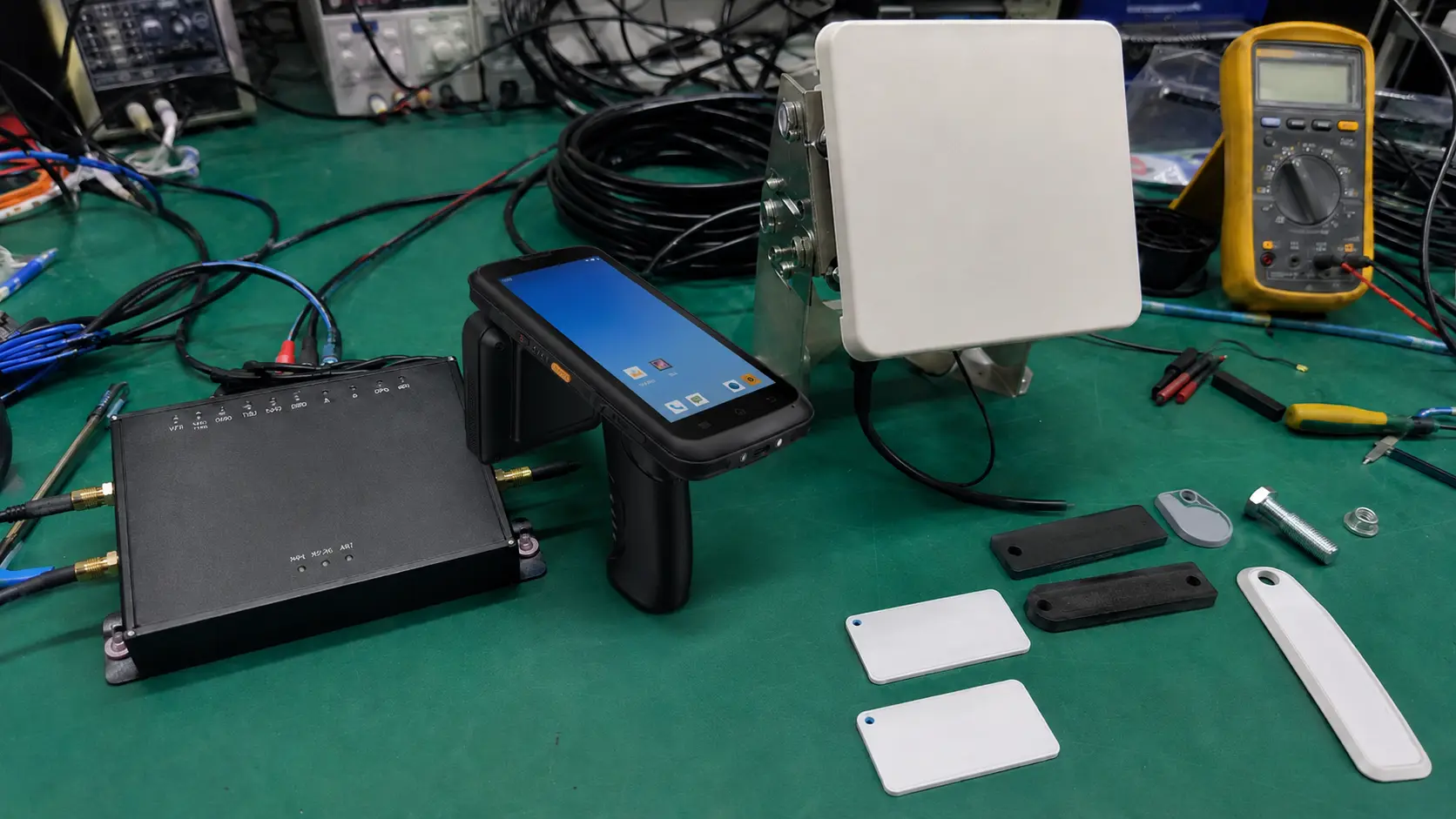
Trying to keep track of assets by hand is slow and error-prone. An RFID asset tracking system delivers instant, accurate location data, cutting both lost-item costs and manual labor.
An RFID asset tracking system uses radio waves to identify and track items. RFID tags are attached to assets. A reader emits a signal that powers the tags, which then send back their unique ID. Software processes this information to provide real-time location and status updates.
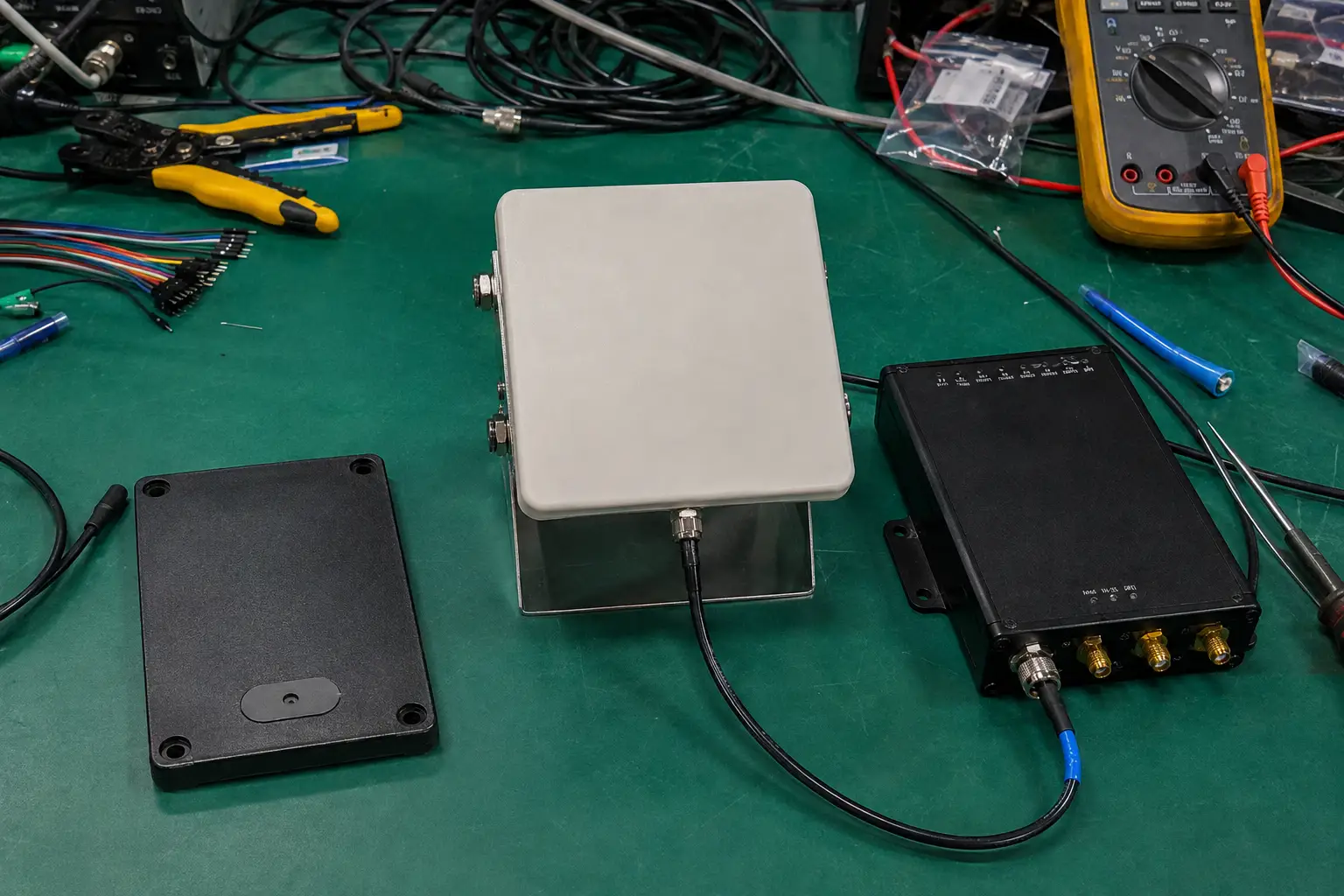
This process sounds straightforward, yet many buyers get stuck on the details. One common case involved a buyer from a large logistics firm who was overwhelmed by the range of hardware options and nearly abandoned the project. Breaking the system into simple parts makes it manageable. Understanding the basics is the first step toward building a solution that fits real operational needs. It all starts with the core components.
To go deeper, see Fongwah's guide on what an RFID reader does.
What Are the Core Components of an RFID System?
Buying individual RFID parts can be confusing. Mismatched components can lead to system failure and wasted investment. Buyers should focus on the three key parts to get right.
The core components are the RFID tag, the RFID reader, and the software. The tag stores the item's unique identity and must be attached securely to the asset—by adhesive, screw, or cable tie depending on the surface. The reader powers the tag and reads its data. The software interprets this data to track the asset effectively.
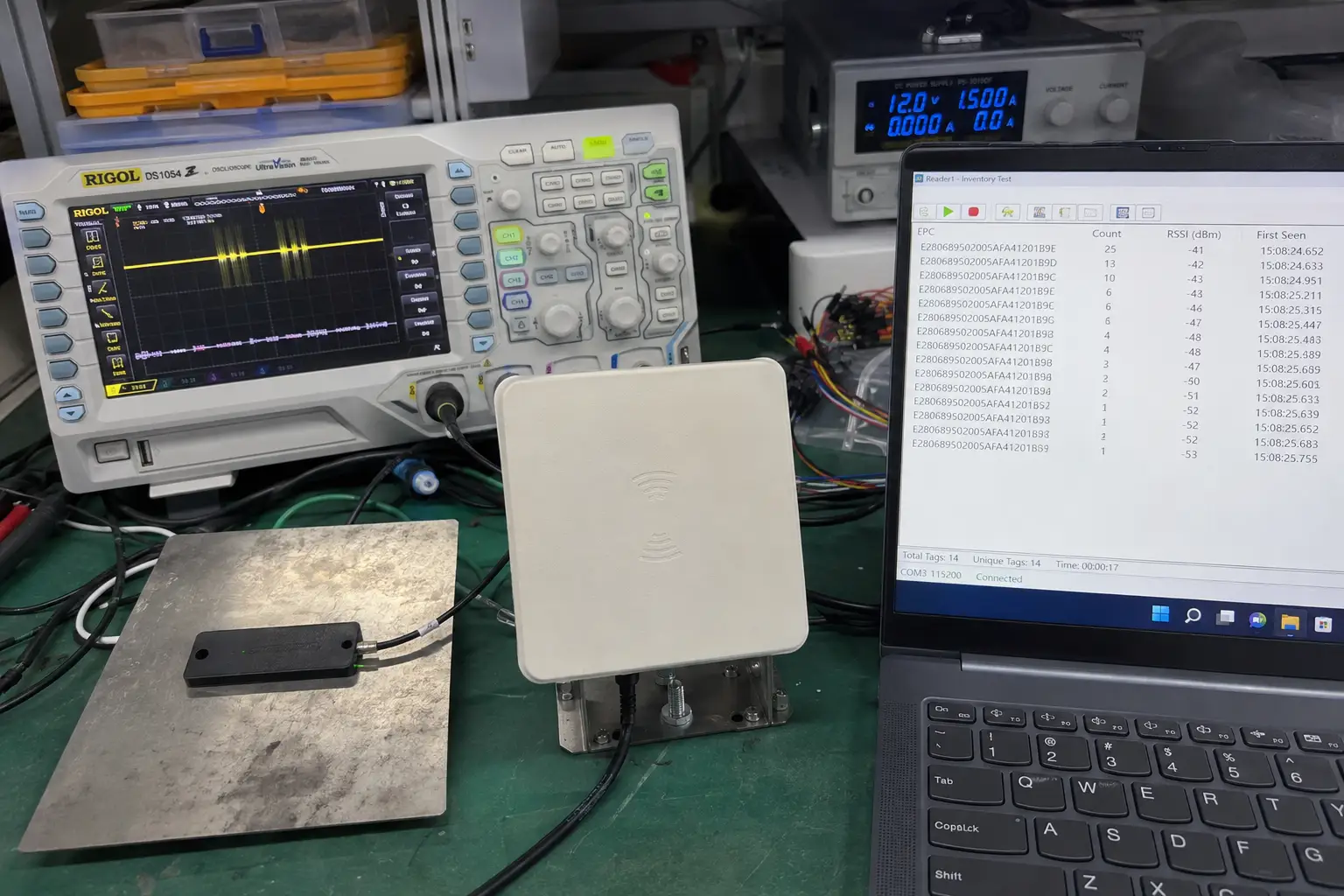
For most buyers, the right starting point is the tag, because the tag choice influences every other part of the system. Consider the asset being tracked: is it metal, a liquid, or exposed outdoors? These questions determine the tag type and the best attachment method. From there, select a reader and antenna powerful enough to communicate with that tag in its specific environment. Readers come in fixed, handheld, and USB forms, with adjustable (variable) output power to suit the read zone. The software is the final piece, turning raw reads into useful information on screen. The buyer's main task is to match these three parts to the real-world use case.
Key RFID Components
| Component | Primary Function | Key Consideration for a Buyer |
|---|---|---|
| RFID Tag | Stores a unique identifier for an asset. | Must match asset material and environment (e.g., metal, liquid). |
| RFID Reader | Sends power to tags and receives their data. | Read range and power must be suitable for the operational area. |
| Software | Processes data and presents it to the user. | Must integrate with existing systems (like ERP or WMS). |
How Do These Components Work Together?
Just having the right parts is not enough. If they don't communicate correctly, the tracking data is useless. Here is the simple sequence of how they interact.
The reader’s antenna sends out a radio signal. This signal powers up a passive tag within its range. The tag uses this energy to transmit its unique ID—formatted per the EPC Gen2 standard on UHF systems—back to the reader. The reader captures this ID and forwards it to the software, which updates the asset's status.
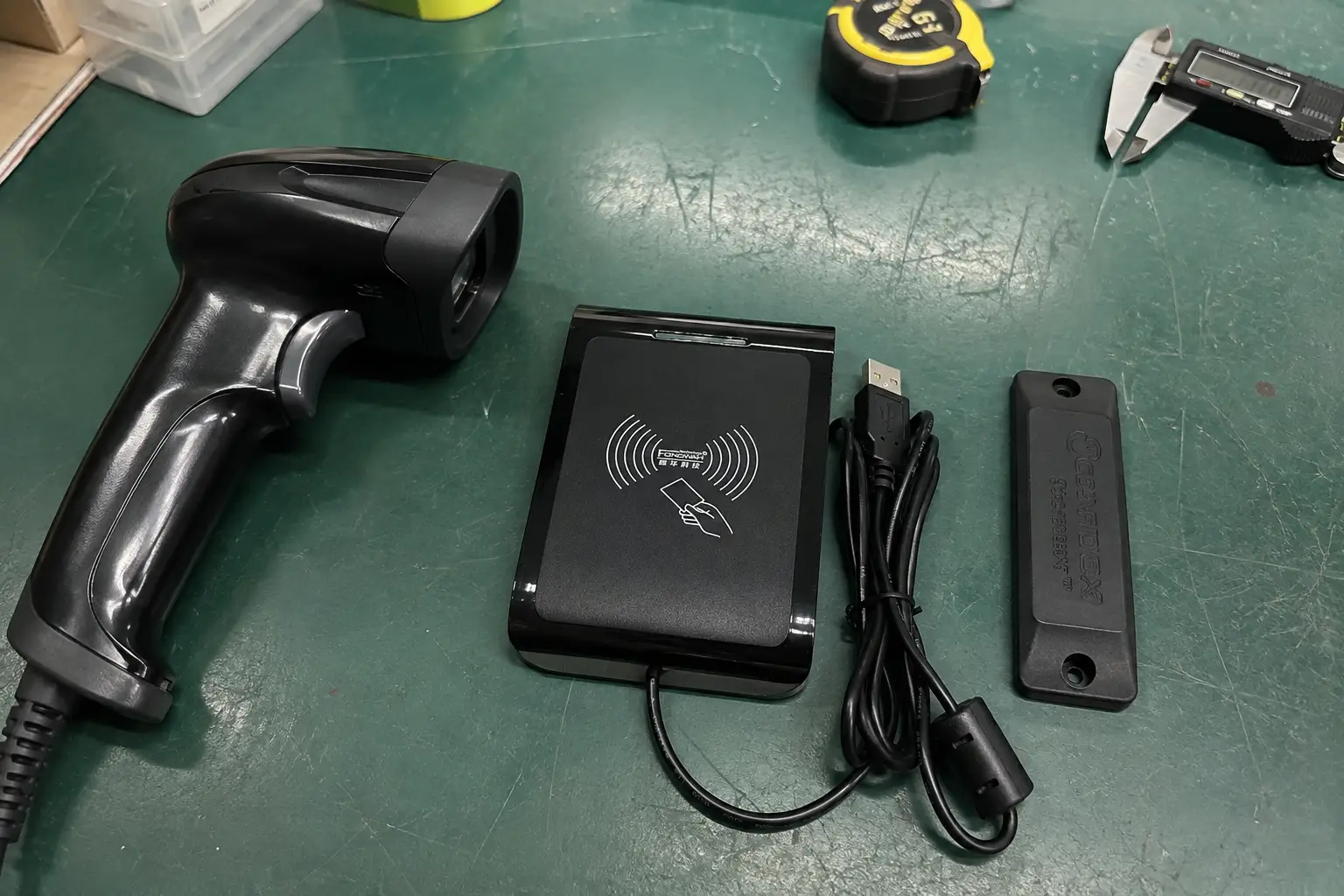
The key to a reliable system is synergy. Consider a warehouse manager who installed a powerful UHF reader but used standard, low-cost tags on metal carts. The system barely worked: the reader's signal reflected off the metal, and the tags were not designed for that surface. Swapping in specialized on-metal tags pushed the read rate to 100%. This shows that success comes from the right combination, not the "best" individual part. Buyers should think carefully about the radio frequency environment. The frequency band—LF, HF, or UHF—defines how the parts communicate.
RFID Frequency Bands
| Frequency Band | Common Name | Characteristics | Best For |
|---|---|---|---|
| 125-134 kHz | Low Frequency (LF) | Short range, slow, works well near liquids/metal. | Animal tracking, access control. |
| 13.56 MHz | High Frequency (HF) | Medium range, more data options, includes NFC. | Library books, payment cards. |
| 860-960 MHz | Ultra-High Frequency (UHF) | Long range, very fast, reads many tags at once. | Warehouse inventory, supply chain. |
Why Is This System Better Than Barcodes?
Still using barcodes for asset tracking? Manual scanning is slow and requires a direct line of sight. RFID technology reads hundreds of items in seconds, completely automatically.
RFID is better than barcodes because it does not require line-of-sight. Readers can scan hundreds of tags at once from a distance. RFID tags are also more durable and can store more data, offering greater automation and efficiency.
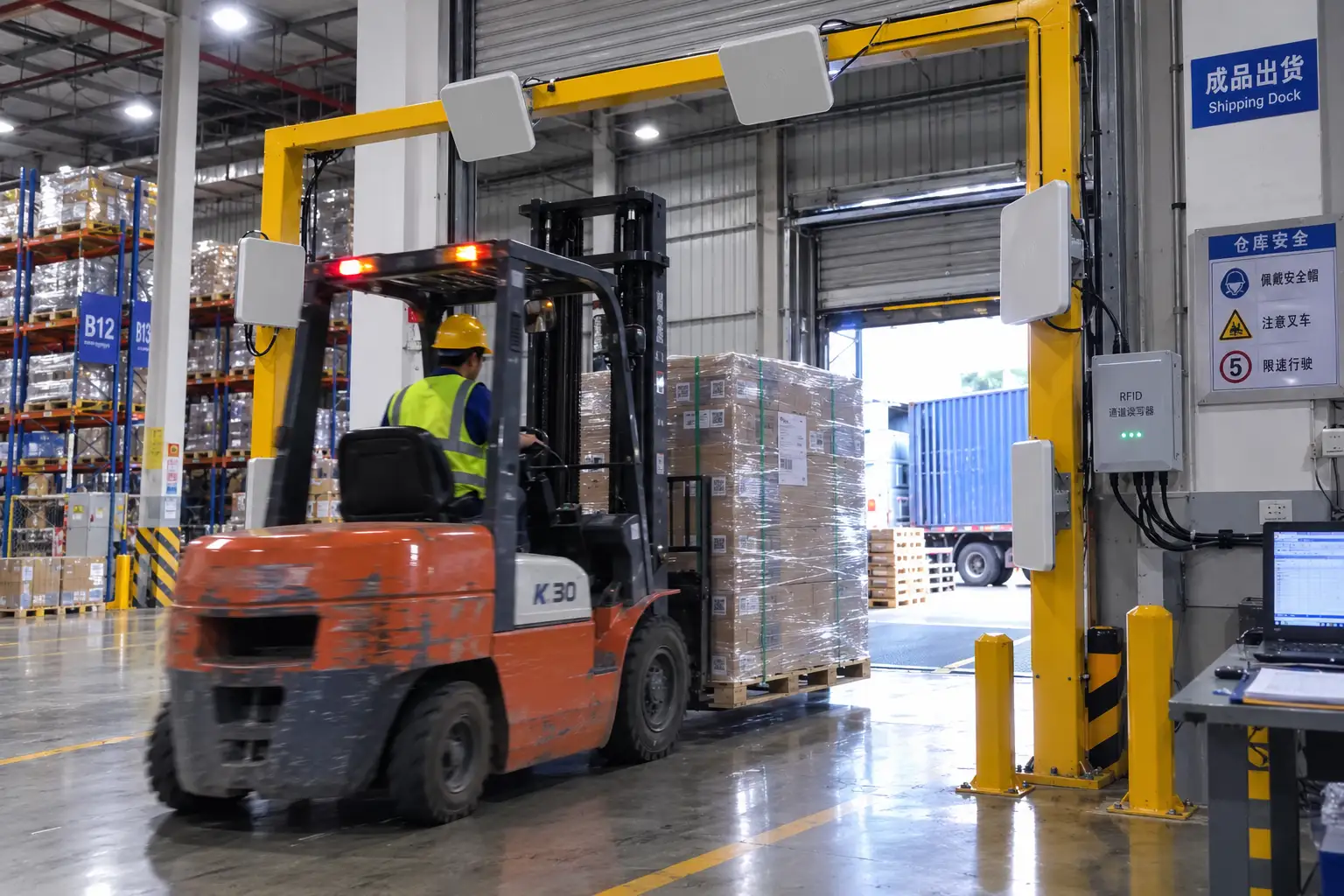
Many operations start with barcodes because the labels are cheap, then discover the hidden labor costs. One manufacturing plant measured its team spending over 20 hours a week scanning incoming parts with barcode scanners. Installing a UHF portal at the receiving dock changed that: a whole pallet is registered the moment it passes through the door, with no manual scanning. The payback was under six months. For a buyer, the decision is not just the upfront tag cost—it is the total operational savings. The bigger picture matters.
RFID vs. Barcodes
| Feature | Barcode System | RFID System |
|---|---|---|
| Read Method | Requires direct line-of-sight. | No line-of-sight needed. |
| Simultaneous Reads | Scans one item at a time. | Scans hundreds of items per second. |
| Durability | Paper labels are easily damaged. | Tags are robust and can be encased. |
| Data Storage | Very limited, read-only. | Can be rewritten, stores more data. |
| Automation | A fully manual process. | Can be fully automated. |
Frequently Asked Questions
Q: How does an RFID asset tracking system work step by step?
A: A tag on each asset holds a unique ID. A reader sends a radio signal that powers the tag (if passive) and reads its ID; the software logs the ID against a location and time, giving you a live inventory without manual scans.
Q: What components do I need for an RFID asset tracking system?
A: At minimum you need RFID tags, one or more readers (fixed, handheld, or USB), antennas where needed, and software that turns reads into location and status records your team can act on.
Q: How accurate is RFID asset tracking compared to barcodes?
A: RFID reads many tags at once through packaging and without line of sight, so counts are faster and far less error-prone than barcode scanning, which needs one item at a time and a clear view.
Q: Can RFID track assets through metal shelves or near liquid?
A: Standard UHF tags struggle near metal and liquid. Use on-metal tags for metal assets and test placement near liquids; HF is less affected by water if short range is acceptable.
Q: How much does an RFID asset tracking system cost?
A: Passive UHF tags run cents each at volume; the real cost is readers, antennas, cabling, software, and integration. Budget for total cost of ownership, not just the tag price.
Q: How long does it take to deploy an RFID asset tracking system?
A: A pilot on one site or process can go live in weeks; a full multi-site rollout takes longer and depends on tag volume, read-zone design, and software integration with your ERP or WMS.
Conclusion
An RFID asset tracking system combines tags, readers, and software to automate tracking. Understanding how they work together lets buyers choose the right mix of fixed, handheld, and portal readers for their specific operational needs.