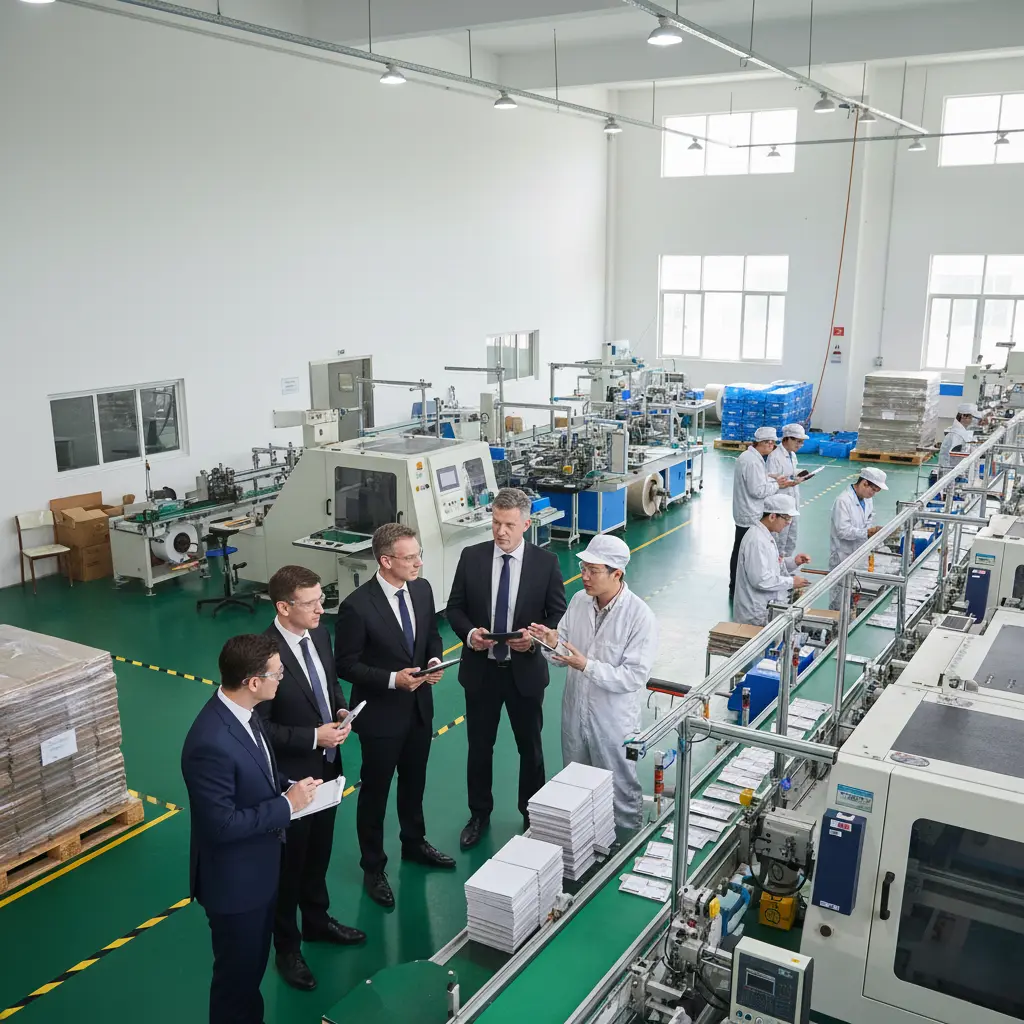
Sourcing RFID tags in China feels like navigating a minefield. You see thousands of suppliers online, but most are just costly middlemen who lack real technical skills.
To evaluate an RFID manufacturer, verify their production capabilities via live video, demand antenna tuning data, and check official chip authorization. Avoid suppliers offering prices below raw material costs or refusing third-party audits. This diligence ensures you partner with a factory capable of consistent quality.
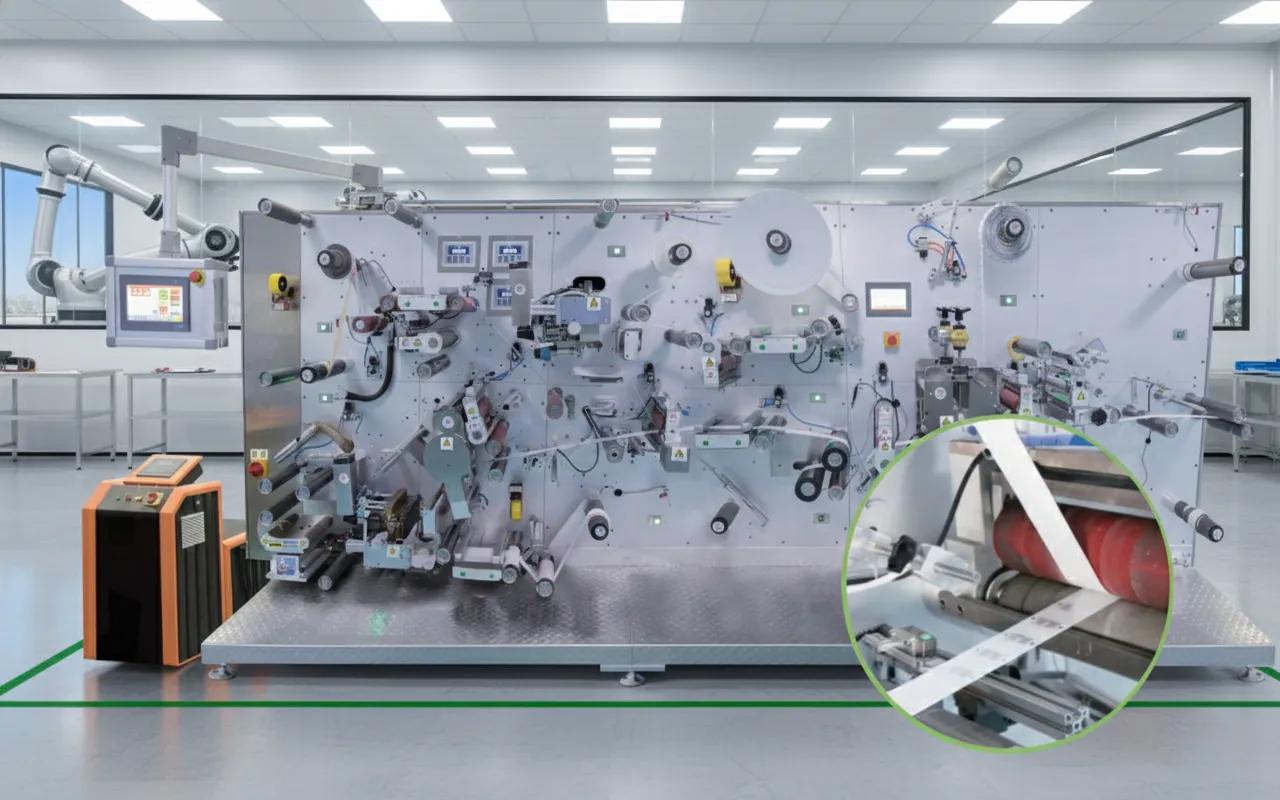
I have been on the production line for years. I started as a simple operator and worked my way up to a manager at Fongwah. I know the tricks of this trade. Many buyers lose money by choosing the wrong partner. They look at the price tag and forget the process. Here is the truth about the market that agents do not want you to know.
How can you tell a real factory from a trading company instantly?
You can waste weeks talking to a supplier, only to find they cannot answer technical questions. This delays your project significantly and risks your reputation.
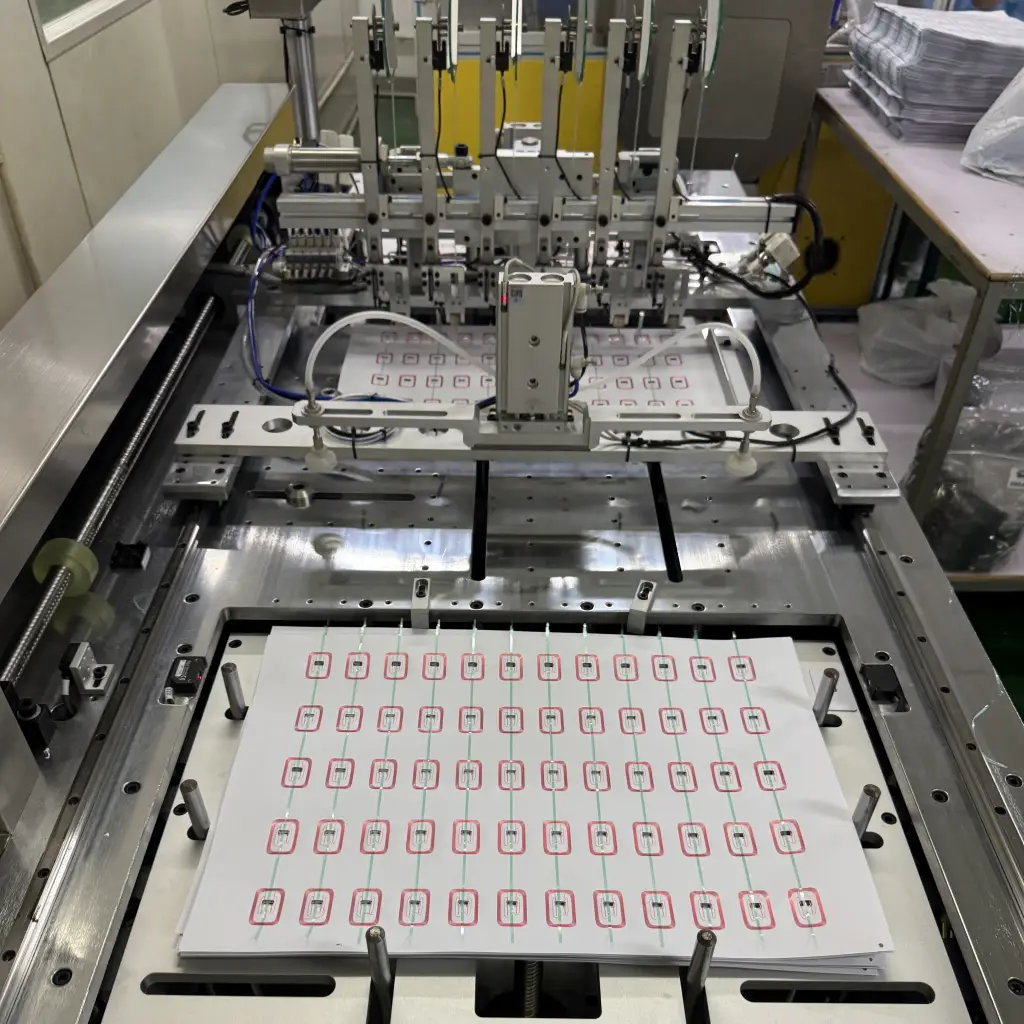
A real factory provides live video of packaging lines like Mühlbauer and offers custom antenna tuning. Trading companies only show stock photos and cannot modify designs or provide detailed Voyager test reports. Always ask for real-time proof primarily to verify their identity.
The Reality Check: Spotting the Middleman
I have seen many clients come to Fongwah after a bad experience. They bought from a "manufacturer" on Alibaba. But when a technical issue happened, the supplier vanished. Why? Because they were not the factory. They were just passing messages.
In my 5 years in this industry, I have learned that direct communication is vital. When you talk to a real factory, you talk to engineers like me. When you talk to a trader, you talk to a salesperson. The difference is massive. A trader cannot fix a frequency issue. They have to call the factory, wait for an answer, and translate it back to you. This "telephone game" causes errors.
Below is a table I created to help you filter suppliers quickly. If a supplier fails these checks, walk away.
| Evaluation Metric | Real Factory (Like Fongwah) | Trading Company |
|---|---|---|
| Video Evidence | We can show live video of our Mühlbauer packaging lines running your order. | They only send polished marketing photos or old videos. |
| Customization | We can perform Antenna Tuning to match specific frequencies for your environment. | They provide a standard PDF spec sheet and cannot change the design. |
| Testing Data | We provide performance curves from Voyage or Voyantic equipment. | They give simple promises like "high quality" with no data. |
| Response Time | We answer technical conflicts immediately because we know the product. | They say "let me ask the technical department" every time. |
At Fongwah, we do not hide our floor. We have 20 years of history. We know that real buyers like you care about the machine, not just the picture.
What are the 5 red flags that should stop you from buying?
You might see a price that looks too good to be true. If you ignore valid warning signs, your entire project and reputation could collapse overnight.
Watch out for prices below material cost, lack of chip authorization, poor batch consistency, missing industry certifications like ARC, and refusal of live factory video calls. These signal high-risk suppliers who often use recycled chips or inferior materials.
Critical Warning Signs in Manufacturing
As a former engineer, I look at the details. I know where factories cut corners. If you see these red flags, it is not a bargain. It is a trap.
1. Price is Lower than Raw Material Cost
I know the cost of copper, PET, and Impinj or NXP chips. If a quote is lower than the sum of these parts, something is wrong. They might use "waste" chips. These are chips rejected by big brands. Or they use conductive ink instead of etched aluminum. The tag will fail after a few weeks.
2. No Chip Authorization
Ask for the certificate from NXP or Impinj. If they cannot show it, they might use clone chips. These fake chips have unstable memory. You might write data to them, but you cannot read it back later.
3. Inconsistent Batches
The first sample works great. The bulk order fails. This happens when a factory changes the glue or the antenna material to save money on the big order. At Fongwah, we use strict quality control. We ensure the first tag is the same as the millionth tag.
4. Lack of Industry Certifications
Does your project need ARC certification for retail? Do you need ISO9001 quality standards? A trading company often does not know what these are. A real factory invests money to get these certificates. It proves they are serious about the long term.
How do you pressure test a supplier before signing a contract?
Trusting a sales promise is dangerous without data. You need specific technical questions to reveal their true capabilities and filter out the liars.
Ask for read range data on specific surfaces, inquire about their specific packaging equipment models, and demand their protocol for data encoding accuracy on large volume orders. These technical questions expose suppliers who lack genuine manufacturing knowledge.
The "Stress Test" Questions
You are an expert. You need to ask expert questions. These three questions will make bad suppliers nervous. But a good supplier will be happy to answer.
Question 1: "Show me the read range on metal."
Ask this: "Can you show me the read range test data for this tag on a metal surface?" Standard tags do not work on metal. A trader might say, "It works fine." A real engineer will show you a graph. They will explain how the metal detunes the antenna. They will suggest a ferrite shield. This proves they understand physics, not just sales.
Question 2: "What is your bonding machine?"
Ask this: "What chip packaging equipment do you use in your facility?" If they say "we have many machines," be suspicious. I would tell you: "We use Mühlbauer bonding machines for high precision." This specific name matters. It shows they invest in top-tier German technology. It ensures the chip stays attached to the antenna.
Question 3: "How do you verify encoding?"
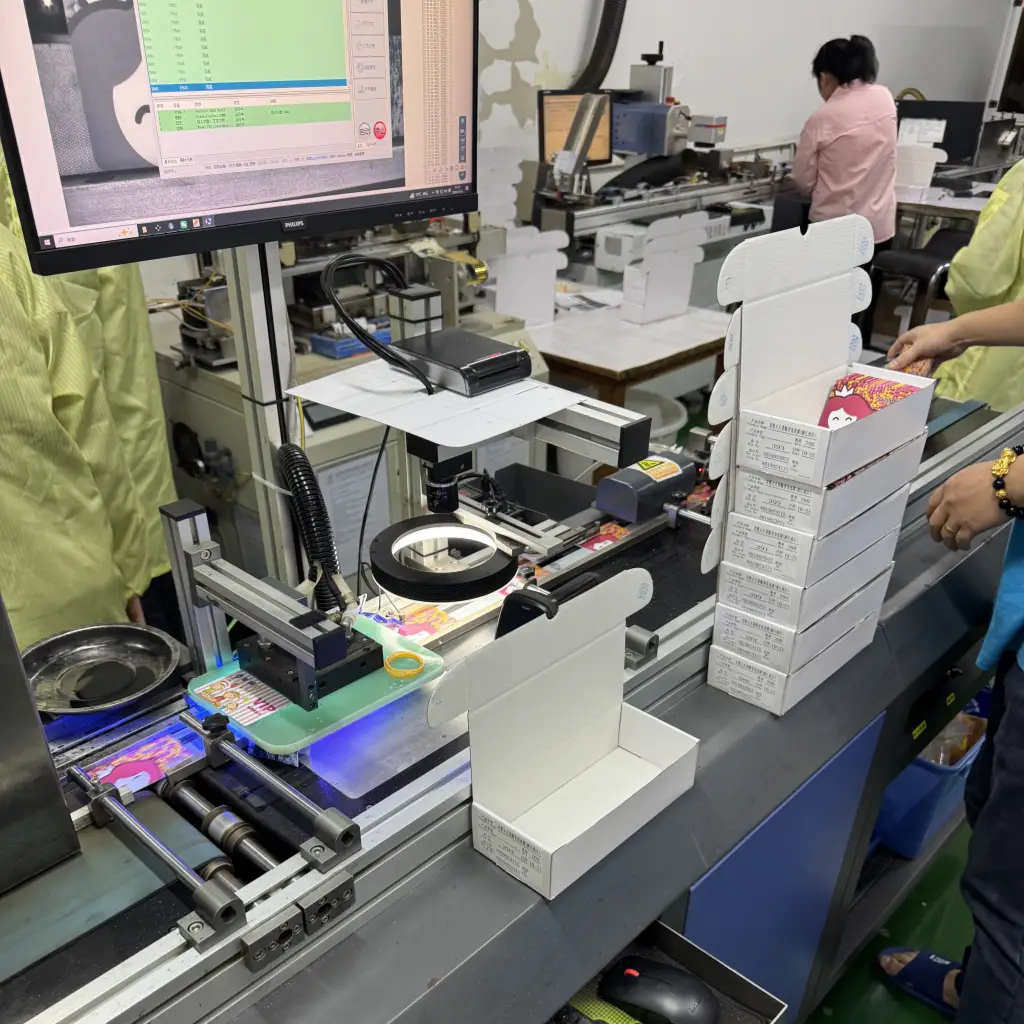
Ask this: "How do you ensure data encoding accuracy for large volume orders?" Encoding mistakes are a nightmare. You scan a box, but the system reads the wrong ID. A real factory uses automated optical inspection (AOI) and database matching. At Fongwah, with our 6 production lines and 200 million annual capacity, we have automated systems to check every bit of data. We do not rely on manual checks.
Conclusion
Verify the factory with video, check technical data, avoid cheap traps, and ask tough questions to ensure a secure partnership.
---