Losing 30% of your leased delivery fleet to defaults isn't a cost of doing business; it's a massive systems failure. When mechanical keys leave the lot, you lose leverage. I've spent five years deploying Fongwah RFID hardware to stop this bleeding.
You can manage a 10,000-vehicle fleet by integrating an industrial vehicle immobilizer system directly into the vehicle's starter circuit. This "card-to-start" mechanism binds physical access to encrypted digital authorization, requiring weekly depot check-ins to extend validity and completely eliminating the leasing black hole.
Let me walk you through exactly how we build a physical firewall around movable assets.
The "Card-to-Start" Logic: Can a Physical Firewall Fix Asset Security?
Many integrators think GPS tracking is enough. But GPS just tells you where your stolen vehicle is. It doesn't prevent the engine from starting when lease payment defaults.
By embedding an encrypted Fongwah RFID reader into the starter circuit, the vehicle's electrical system remains dead until a successful cryptographic handshake occurs. No authorized card, no ignition. It fundamentally controls the "right to ignite."
| Spec / Feature | GPS Tracker Only | Standard Mechanical Key | Fongwah RFID Ignition Relay |
|---|---|---|---|
| Ignition Control | None (Passive Tracking) | Unrestricted Usage | Cryptographic Handshake |
| Sub-leasing Risk | Extremely High | High | Near Zero (Hardware Bound) |
| Operating Power | High (Drains Battery) | N/A | < 1W (Low Power Consumption) |
| Asset Security Level | Reactive | Low | Proactive (LBT Compliant Ready) |

Stopping the Domino Effect
Over my years moving from Fongwah's production line to systems design, I've seen exactly where software-only tracking solutions fail in the field. You simply cannot code away a rogue driver who refuses to pay his lease and decides to unplug the GPS unit. You need a hardcore hardware constraint.
When we implement this "One Vehicle, One Card" protocol, we are completely bypassing the cloud dependency for immediate, localized security. The encrypted authorization resides solely on the physical card and the onboard reader.
The Cryptographic Handshake
Why do standard mechanical keys fail a 10,000-vehicle fleet? Because they duplicate easily, leading to unauthorized sub-leasing. Our SDKs allow you to write custom sector encryption directly onto DESFire EV3 cards. When that card is tapped against our industrial reader, it instantly checks the sector keys. If the cryptography matches, the reader triggers an internal relay to complete the 12V/24V ignition circuit. If a driver defaults on payments, you don't send a repo team to chase them down; you just refuse to renew the card's sector data. The hardware does the enforcing on your behalf.
The 7-Day Mandatory Check-in: How Do We Bring 2,000 Missing Vehicles Back?
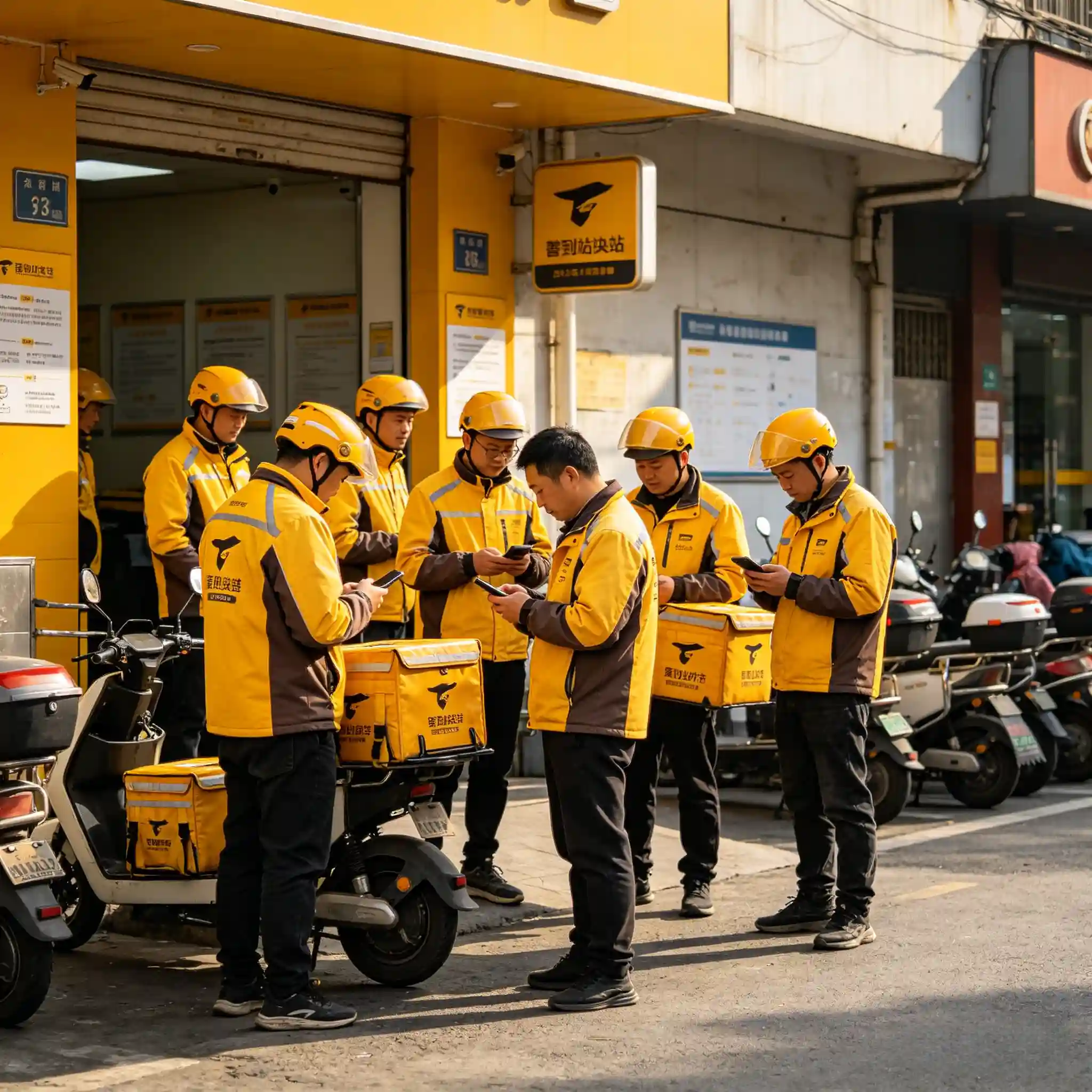
Relying on human dispatchers to chase down overdue leases is a massive labor sink. The misunderstanding is thinking fleet management requires more manpower, rather than automated compliance.
We program a rolling 7-day validity period directly onto the RFID card. Drivers must return to the depot weekly to pay fees, pass inspection, and re-flash the card. Without this, the reader immobilizes the vehicle.
| Fleet Metric | Traditional Manual Management | Fongwah RFID 7-Day Cycle | Expected Improvement |
|---|---|---|---|
| Default/Missing Rate | 20% - 30% (~2,500 units) | < 2% (Hardware Tamper Resistant) | Massive Asset Recovery |
| Payment Collection | Dependent on manual chasing | 100% (No Pay, No Start) | Immediate Cash Flow Boost |
| Maintenance Cost | "Run-to-Failure" mode | Mandated Preventative Checks | Extends vehicle life 1.5-2 years |
| Labor Overhead | High (Tracking/Repo Staff) | Zero (Automated Immobilization) | 300% Management Efficiency |

Enforcing the Management Loop
As someone managing large-scale systems integration, you know that commercial fleet operators don't want to play bounty hunter. They want predictable, recurring revenue. The 7-day lifecycle forces absolute obedience. By artificially limiting the operational window on the smart card, you are creating a non-negotiable physical touchpoint. You force the asset back into your line of sight.
Automated Cash Flow Integration
When you integrate our desktop RFID writers at the payment counter, the entire operational flow becomes seamless. The driver pays the weekly lease, the clerk taps the card on a Fongwah USB reader, your backend C# or Java software updates the expiration timestamp, and writes it directly to the card's secure sector in milliseconds.
Why does the technical data table above show a 300% efficiency gain? Because you just eliminated the entire debt collection department. The vehicle practically becomes its own debt collector. Controlling the "Right to Ignite" is the ultimate collateral, and it completely removes the human friction and confrontation from lease renewals.
Unyielding Reliability: Can RFID Survive Harsh Environments and Offline Scenarios?
Engineers often fear that putting electronic access control in a last-mile delivery truck will result in system failures during heavy rain or in rural cellular dead zones.
We engineer our readers with heavy-duty IP67 potting for extreme vibration and moisture resistance. A built-in Real-Time Clock (RTC) allows the hardware to execute highly precise offline expiration validation without needing any 4G/5G connection.
| Hardware Specification | Generic Commercial Reader | Fongwah Industrial Fleet Reader | Real-World Impact |
|---|---|---|---|
| Ingress Protection | IP54 (Dust/Splash only) | IP67+ (Fully Potted/Waterproof) | Survives monsoon delivery routes |
| Offline Validation | Cloud-dependent API check | Built-in RTC (Real-Time Clock) | Functions flawlessly in dead zones |
| Vibration Resistance | Basic PCB mounting | Automotive-Grade Shock Resistance | Won't fail over rough terrain |
| Emergency Override | Unreliable/Manual bypass | Encrypted Master Card Protocol | Ensures driver safety in emergencies |

Engineering for the Real World
This is where my time grinding on the production line pays off. I've seen generic, unpotted readers rattle to pieces on gravel roads within a month. Last-mile delivery logistics isn't a clean, temperature-controlled office environment. If your hardware fails on the road, the driver is stranded, cargo spoils, and your system integration gets blamed.
That’s exactly why we fully pot the PCBs in our IP67 fleet readers with industrial epoxy. They are engineered to handle heavy rain, extreme engine bay heat, and constant, violent road vibration without dropping a single read or suffering solder fractures.
The Magic of the RTC Chip
Network instability is an absolute killer for cloud-reliant fleet management tools. By integrating an RTC chip with an independent battery backup directly into the reader motherboard, the device maintains its own highly accurate internal timeline. When the driver taps the card, the reader natively checks the card's encrypted expiration timestamp against its own RTC. Absolutely no cellular signal is required to authorize or deny the ignition relay. Add in our secure "Master Card" override protocol to ensure drivers aren't stranded in genuine emergencies, and you have deployed a fail-proof, autonomous security node in every single vehicle.
Frequently Asked Questions
How does the RFID immobilizer validate expired cards in cellular dead zones?
Network instability is not an issue. The hardware utilizes a built-in Real-Time Clock (RTC) chip with an independent battery backup. It verifies the card's encrypted expiration timestamp natively against its own internal clock, requiring zero 4G/5G connection to authorize or deny the ignition.
Is the hardware difficult to conceal in the cabin or engine bay?
Not at all. Our hardware is designed with integration flexibility in mind. While we offer standard compact profiles, we provide full OEM customization based on your specific fleet requirements. The physical dimensions, housing, and form factor can be engineered to match your exact vehicle layouts, ensuring the device easily hides under tight dashboards or seamlessly integrates into any starter circuit compartment.
What happens if a driver experiences a genuine emergency or loses their card on a route?
We implement a secure "Master Card" override protocol. Fleet managers or authorized field supervisors carry highly encrypted master cards that can bypass the relay in absolute emergencies, ensuring driver safety and vehicle recovery without compromising the system's daily security loop.
How quickly can we integrate this card-to-start logic into our existing fleet software?
We provide comprehensive C# and Java SDKs specifically designed for rapid integration with your backend database and desktop USB writers. Your engineering team can request our detailed API documentation and sample code snippets directly through our website to accelerate the deployment process.
Fleet management shouldn't require hiring more personnel. Utilize rugged RFID technology to enforce automated compliance and permanently eliminate defaults. Stuck on SDK integration? Reach out for a C# sample code snippet today.
---