Global supply chains are more fragile than ever, and one missing pallet can stop an entire production line. You cannot rely on guessing where your inventory is anymore.
RFID asset tracking replaces guesswork with data. Unlike barcodes, high-performance RFID reader systems provide real-time visibility, allowing you to see every item in your warehouse instantly and securing your bottom line against global uncertainty.
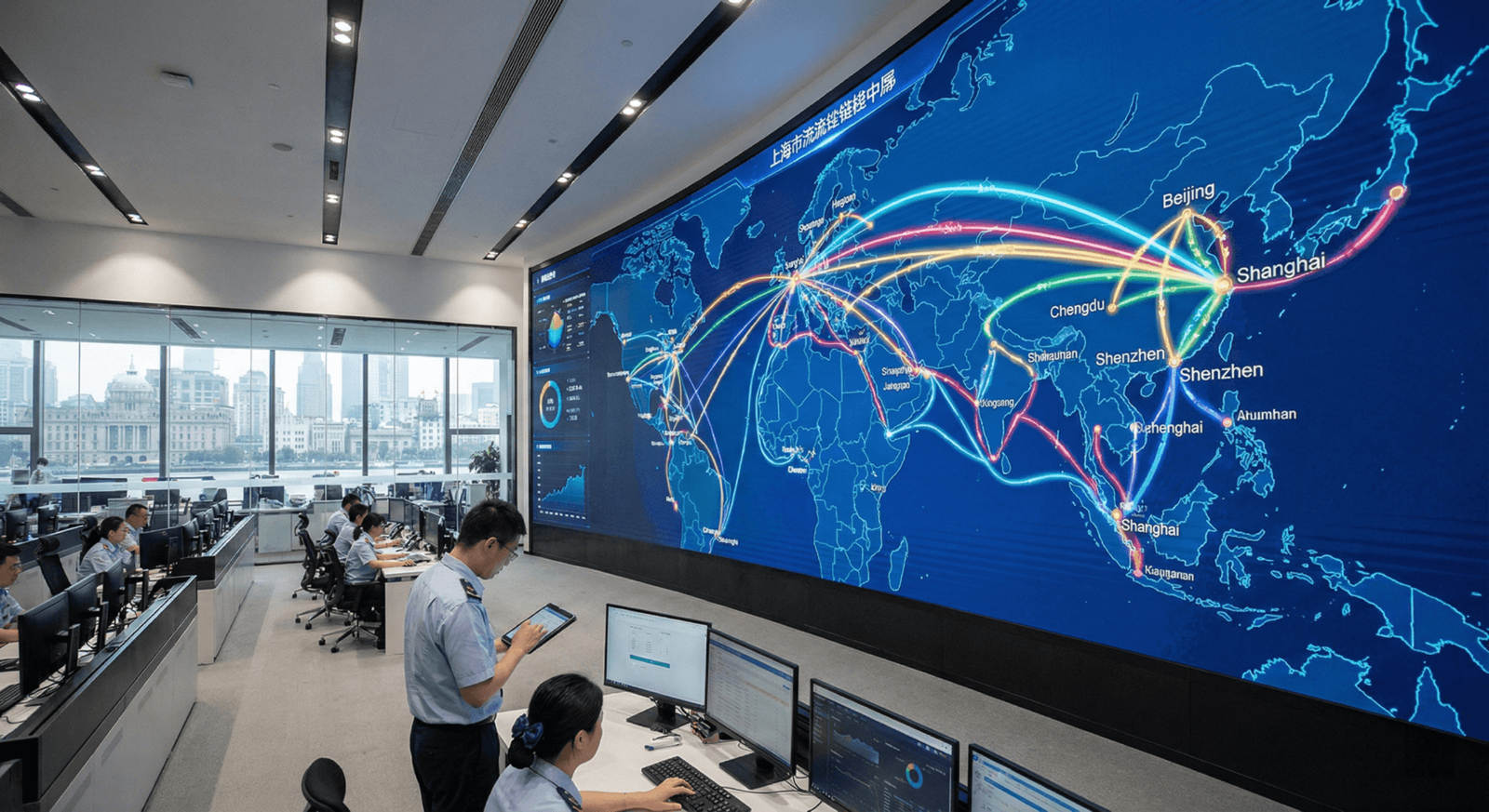
You might think your current barcode scanners are "good enough" for the job, but if you look at the sheer speed of modern commerce, manual scanning is actually holding your business back.
Should You Choose Fixed Readers or Handheld Terminals for Your Facility?
Every warehouse layout is different. Placing the wrong type of reader in the wrong spot creates blind spots in your data and wastes your hard-earned budget.
Fixed readers guard critical choke points like dock doors for automated tracking, while handheld readers empower workers to perform spot checks and locate lost items. A complete solution often uses both to ensure 100% coverage.
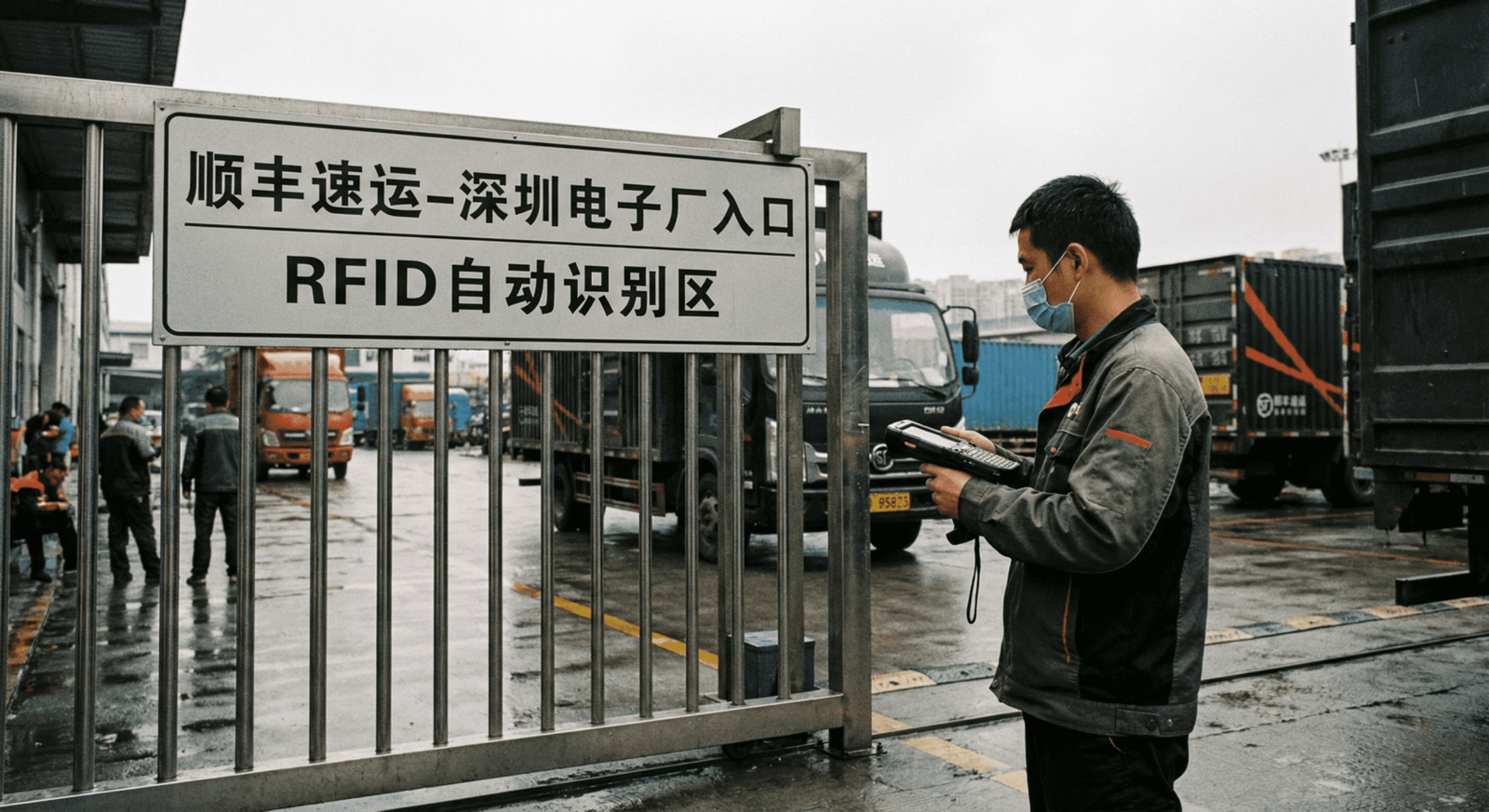
I visit many warehouses where managers try to do everything with just one type of device. This acts as a major mistake. You need to understand the workflow. Fixed readers are your automated guards. We install these at the "transition zones"—dock doors, conveyor belts, and storage room entrances. They work without human help. As a manufacturer, we provide enterprise-level reader integration for large-scale logistics hubs to ensure this data flows seamlessly into your ERP system.
On the other hand, handheld readers are your search tools. Sometimes a box falls behind a shelf. Sometimes you need to audit a specific section. A fixed reader cannot move, so you need a mobile device. I always tell my clients to think of the fixed reader as the "CCTV camera" that watches the flow, and the handheld reader as the "flashlight" specific workers use to find problems. Using them together gives you total control.
| Feature | Fixed RFID Reader | Handheld RFID Reader |
|---|---|---|
| Primary Use | Automated Choke Points | Manual Audits / Search |
| Human Input | Zero (Automated) | High (Manual) |
| Power Source | PoE / AC Power | Rechargeable Battery |
| Data Flow | Continuous Stream | Batch Upload / Wi-Fi |
| Best For | Inbound/Outbound | Cycle Counting |
How Does UHF Technology Track Items from Over 10 Meters Away?
Low-frequency systems require you to virtually touch the reader with the card. This works for door locks but fails completely for pallets stored on high warehouse shelves.
UHF RFID technology utilizes high-frequency radio waves to penetrate air and packaging, achieving read ranges exceeding 10 meters. This capability allows forklifts to drive through gates without stopping, maintaining the flow of goods.
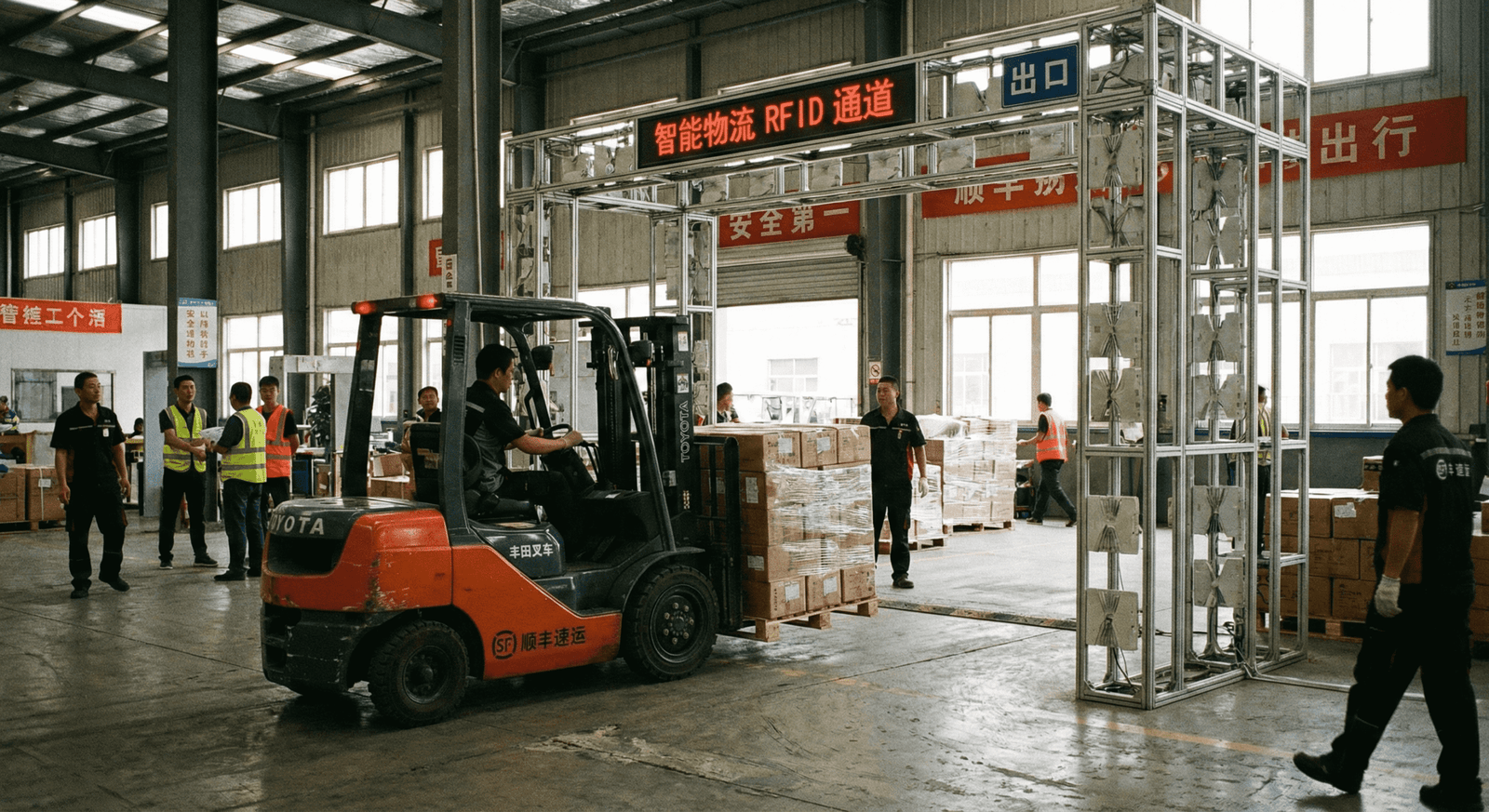
The biggest game-changer for B2B logistics is the shift to Ultra-High Frequency (UHF). Older technologies required close contact. UHF changes the physics of the interaction. Our industrial readers operate in the 860-960 MHz band. This frequency allows the signal to travel much further. You can mount a reader on a ceiling and still read tags on the floor.
This leads to true real-time inventory management. Imagine a forklift driver moving a pallet from Zone A to Zone B. In the past, he had to stop, get out, scan a barcode, and get back in. Now, he just drives. The UHF RFID technology handles the handshake instantly from 10 meters away. The system updates your inventory map automatically. This speed difference adds up to hundreds of man-hours saved every month. It turns a static warehouse into a smart, fluid environment where the building itself knows what is inside it.
| Specification | LF/HF (Old Tech) | UHF (Modern Standard) |
|---|---|---|
| Range | < 1 Meter | 10 - 15 Meters |
| Speed | Slow Data Rate | High Speed |
| Multi-tag | Single Read | Batch Read (Anti-collision) |
| Cost | Expensive Tags | Economical Tags |
Can You Really Eliminate Human Error with Batch Reading?
People get tired. Eyes miss numbers. Fingers type the wrong digits. These small human flaws accumulate into massive inventory discrepancies by the end of the fiscal year.
Batch reading allows a single RFID reader system to identify hundreds of tags in seconds. This automation removes the human element from data entry, solving inventory errors and consistently delivering 99% accuracy rates for your stock levels.
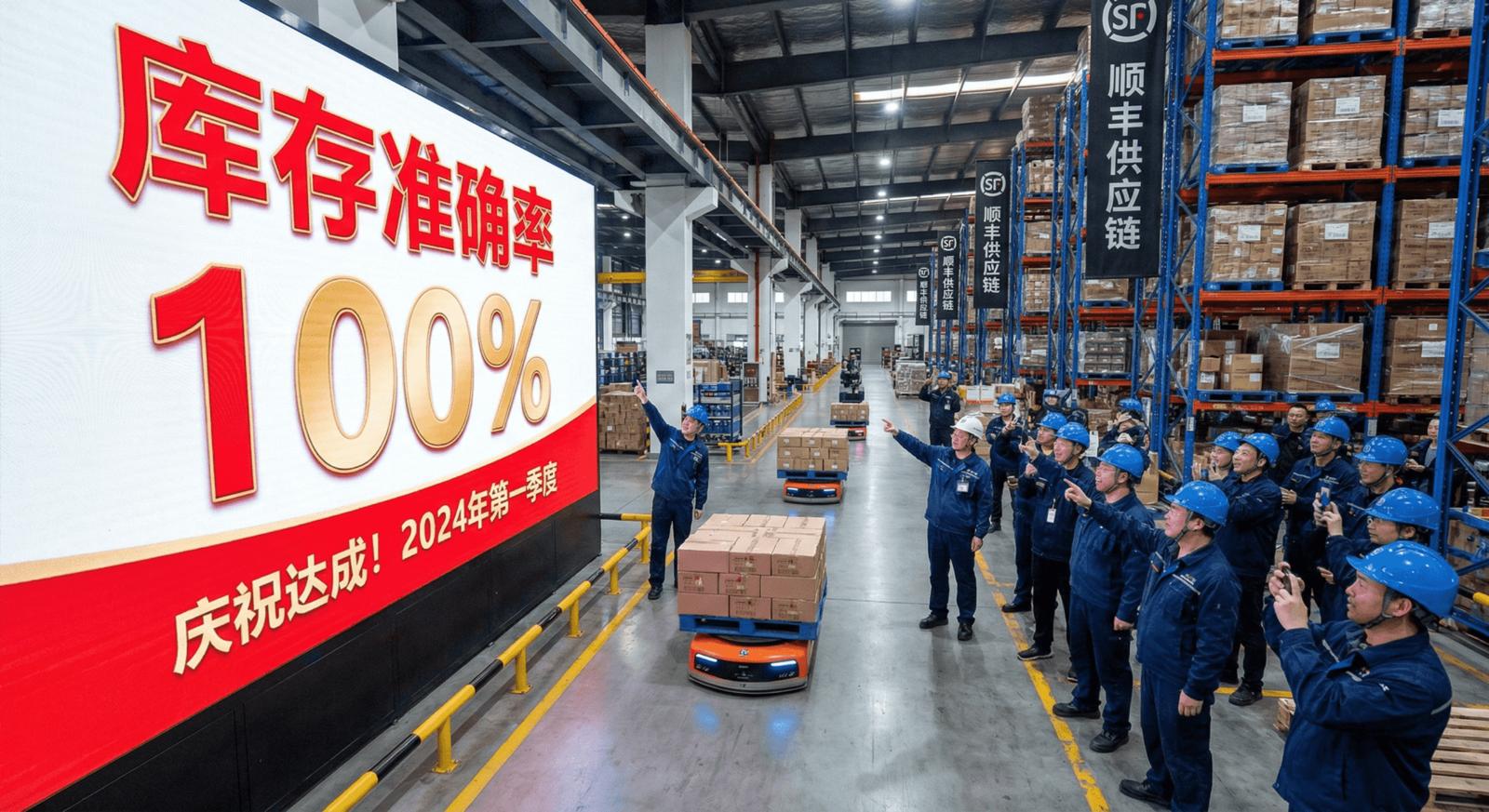
We all know the nightmare of the annual stocktake. You shut down operations for two days. You pay overtime. And at the end, the numbers are still wrong. The problem is not the people; the problem is the method. Counting one by one invites error. RFID reader systems solve this through "Batch Reading" or anti-collision algorithms.
I have tested our readers with boxes containing 500 tagged items. A human takes 20 minutes to scan them. The reader takes 4 seconds. More importantly, the reader does not get tired. It does not misread a "B" for an "8". Solving Inventory Errors is about removing the opportunity for mistakes. When you automate the data capture, you trust your numbers again. accurate data means you do not over-order stock "just in case." You keep efficient, lean inventory levels because you know exactly what you have. This implies the ROI comes not just from labor savings, but from better capital utilization.
| Impact | Manual Counting | RFID Batch Reading |
|---|---|---|
| Error Rate | 3% - 5% | < 0.1% |
| Time per Pallet | 5 - 10 Minutes | < 5 Seconds |
| Data Entry | Manual Typing | Automatic API Sync |
| Frequency | Monthly/Yearly | Daily/Real-time |
Conclusion
Automating your supply chain with high-performance readers eliminates the human errors that destroy profit margins, ensuring your business stays competitive in 2026.
---