Most buyers compare reader prices and forget the labor the reader is supposed to remove. Labor is the recurring cost that decides return on investment, and it behaves differently for fixed and handheld hardware. the right form factor is the one that matches your labor profile, not the one with the lower sticker.
The model below puts numbers on the labor. Use it before you buy so the decision rests on hours and wages, not on a demo that looked slick.
What does manual scanning actually cost in labor hours?
Manual counting looks free because no hardware is involved, but the hours add up fast and they recur every cycle. Quantify them before assuming RFID is expensive.
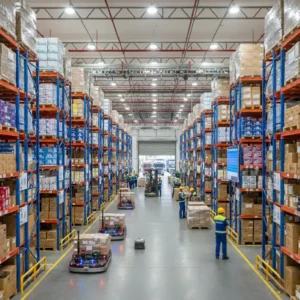
A manual scan of 200 pallets at roughly 30 seconds each costs about 100 labor minutes per cycle, or close to 1.7 hours, and that repeats every time you count, whereas a reader does the same in seconds with no standing labor. At a warehouse that counts daily, 1.7 hours a day is roughly 35 labor hours a month just to read pallet IDs. Multiply by wage and the manual approach is no longer the cheap option. Barcode scanning is faster than pen and paper but still needs a person at every item, so the labor structure is the same.
The trap is that manual labor is invisible on a capital budget. It sits in payroll, where managers feel it but procurement does not see it. RFID's job is to move that recurring cost into a one-time hardware cost. To understand what a reader does at a basic level, see what RFID readers do.
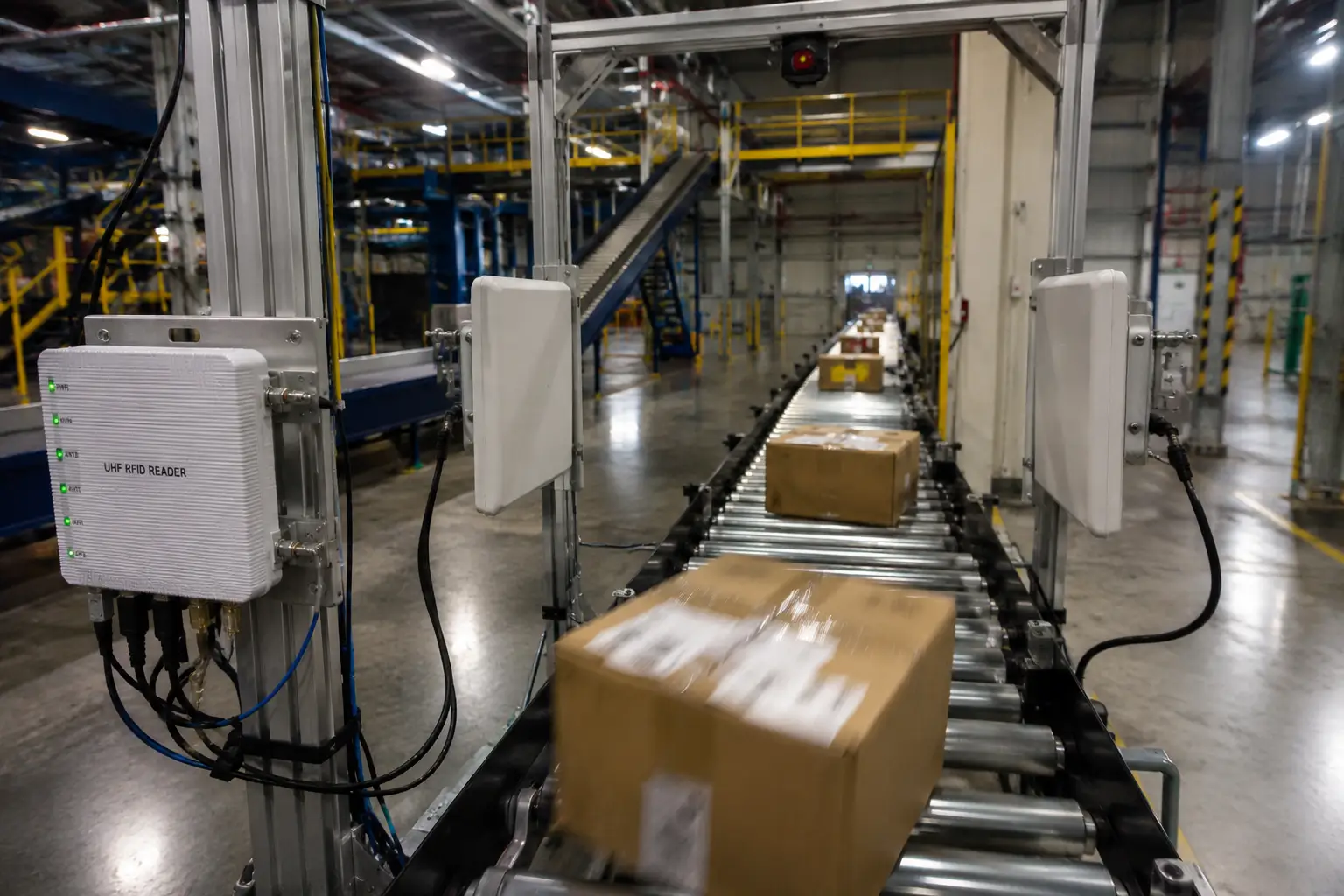
How much recurring labor does a fixed portal remove?
A fixed reader at a choke point scans every item that passes, with nobody holding a device. The recurring scan labor drops to nearly zero.
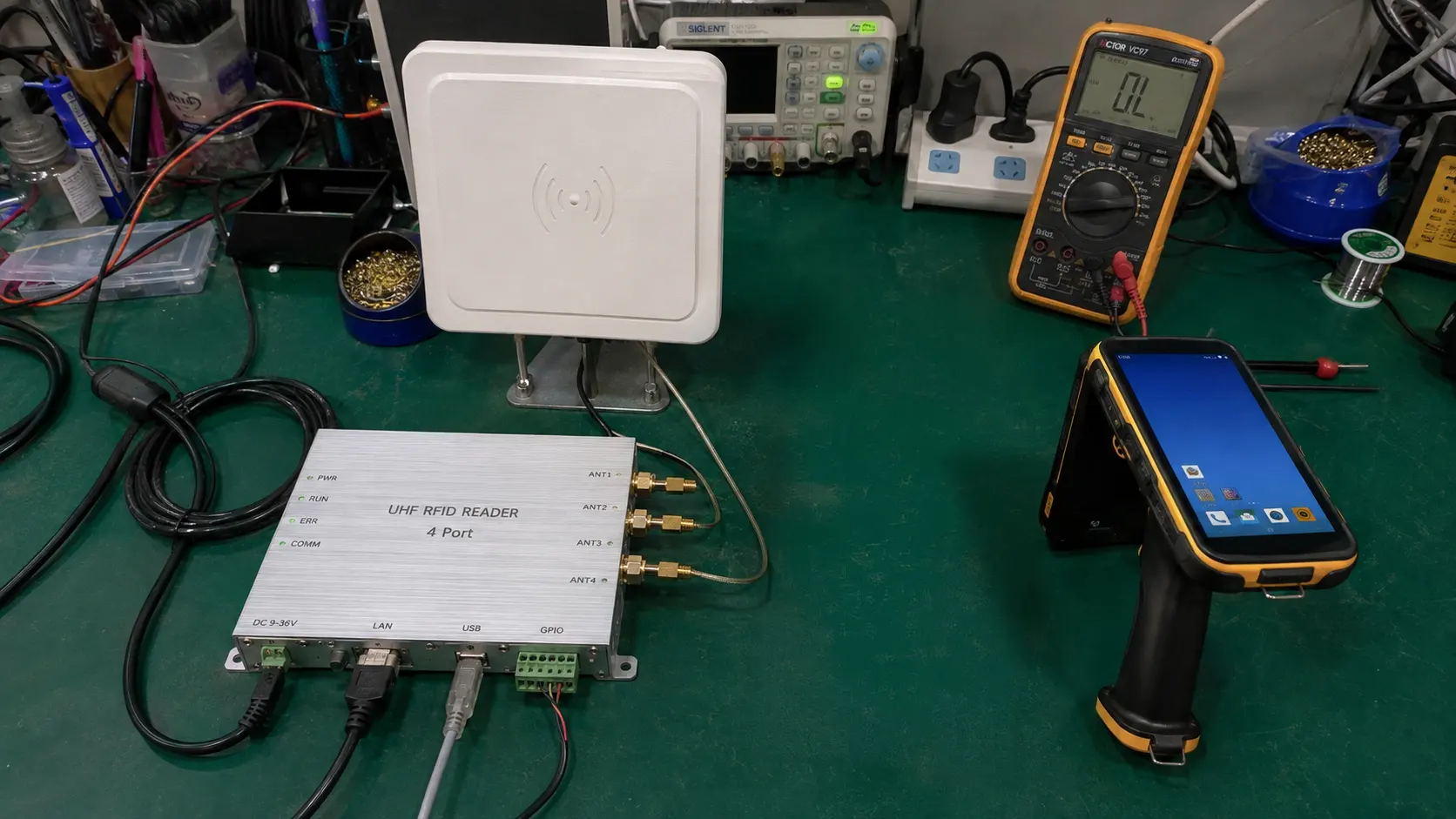
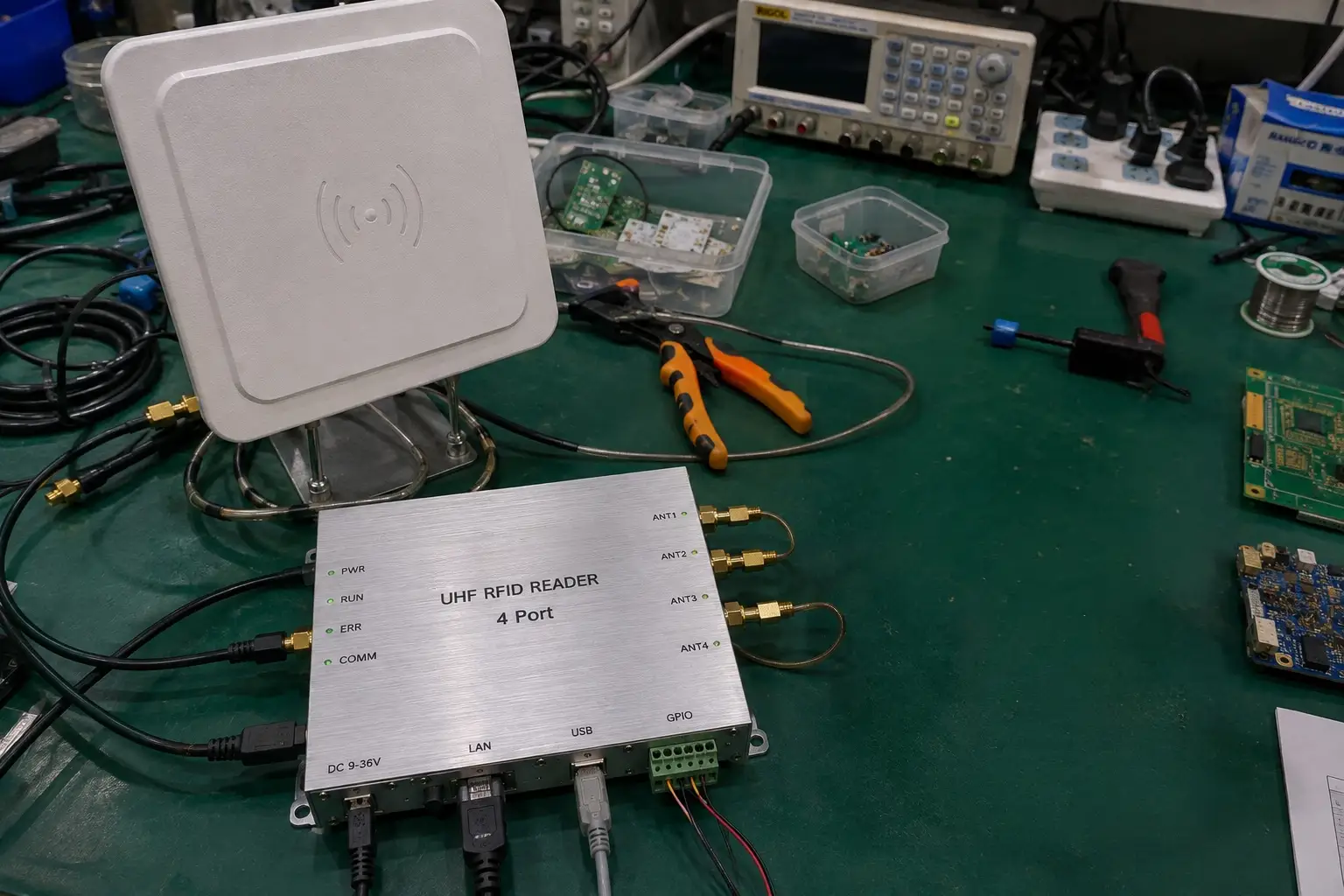
A fixed portal removes essentially all recurring scan labor because it reads automatically as pallets cross a dock door or conveyor, so the only labor left is the one-time install and occasional maintenance, not daily scanning. Once mounted and tuned, the portal runs 24/7 and never takes a break. The three people who used to scan packages can move to quality control or higher-value work. The labor that remains is setup: cabling, mounting, and IT integration, which is a one-time cost amortized over years.
This is the core trade. Fixed hardware has high upfront labor and near-zero ongoing labor. The portal pays for its install through the scan hours it eliminates every single day. For tips on running the device well after install, our guide to using an RFID reader effectively covers daily operation.
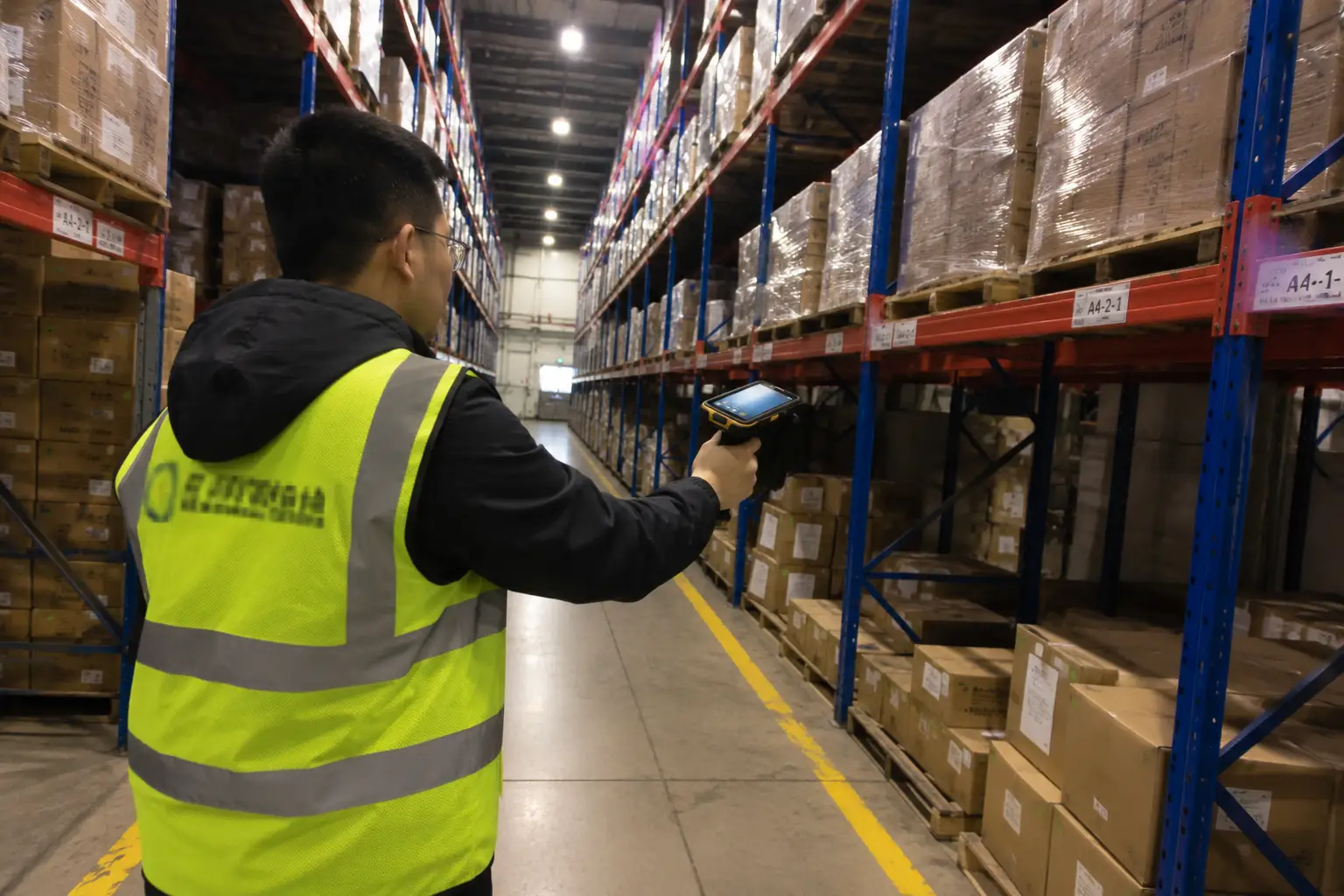
What labor does a handheld still require?
Handhelds avoid the install, but they put a person back in the loop for every count. That labor is lower in setup but persistent in operation.
A handheld still requires a worker to walk, aim, and trigger for every audit, so it trades high install labor for steady operational labor, making it the better fit when counts are intermittent and the asset does not flow past a fixed point. A monthly cycle count of a single warehouse aisle might take two hours with a handheld and zero install. A fixed system would need cabling and mounting to do the same automatically, which is hard to justify for one walk a month.
The handheld's labor is flexible. You pay it only when you scan, and you can lend the device to exceptions, field service, or search-and-find tasks. The cost is that the labor never goes away. Every count is a person with a device, forever. Decide between the two form factors with our handheld or fixed inventory guide, which frames the choice as a decision tree rather than a cost model.
Where is the break-even between the two?
Break-even is the volume at which fixed's saved scan labor overtakes its higher install labor. Past that point, fixed wins on total cost every month.
The break-even typically lands where daily scan volume is high enough that eliminated recurring labor pays back the fixed install within a year, so below that volume a handheld wins and above it a fixed portal wins. Work a simple model. Suppose a fixed portal needs 40 install labor hours at a loaded cost, and it saves 1.7 scan hours per day. At a $25 wage, the daily saving is about $42, or roughly $11,000 a year. If install and hardware total $11,000, the system breaks even in about twelve months, then saves money every year after.
Below that daily volume, the install never pays back and the handheld is cheaper. The threshold is not a feeling, it is a division of install cost by daily labor saving. Buyers who skip this math often over-invest in fixed hardware for a low-volume site, or under-invest in fixed hardware for a high-volume site and keep paying wages forever.
How do you size the decision to your own volume?
Apply the model to your numbers, not to a vendor's average. Your pallet count, count frequency, and wage set the answer.
Size the choice by computing your recurring scan hours per week, pricing them at your wage, and comparing that annual figure to the fixed system's installed cost, then pick fixed when the annual saving clears the install and handheld when it does not. A site scanning 50 pallets a week will rarely justify fixed. A site scanning 500 pallets a day almost always will. The middle is where the model earns its keep, because the answer is close and depends on your real wage and frequency.
Keep the handheld as a complement even in a fixed site. Fixed covers the flow; handheld covers exceptions and the occasional aisle that fixed antennas cannot see. That combination is common in mature deployments and uses each device for what it does best.
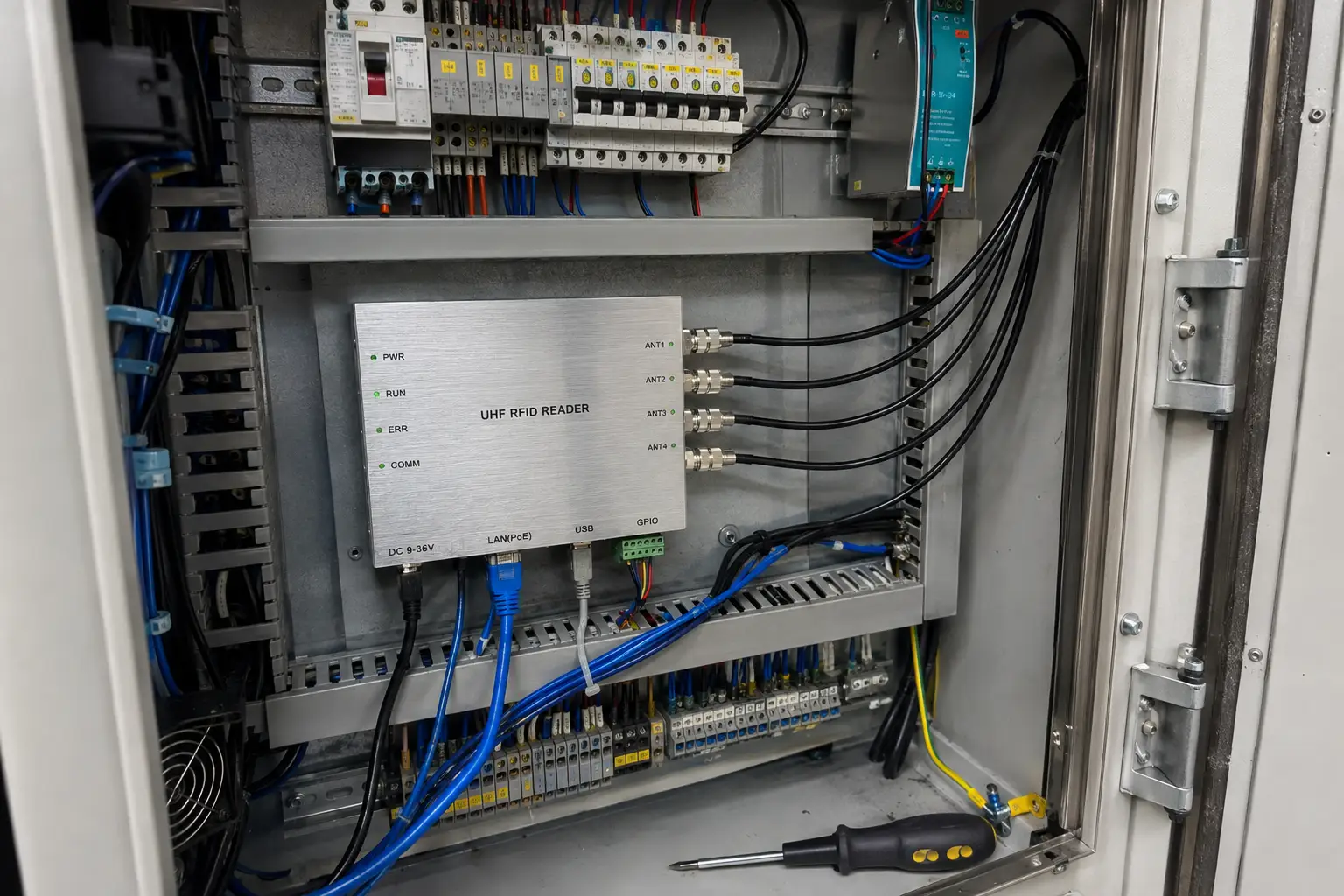
The portal looks like a box on a pole, but the install is a small construction project that eats skilled labor before the first tag is read.
A fixed install hides labor in cabling, antenna aiming, RF site survey, and IT integration, so the true setup cost is several specialist days, not the ten minutes a handheld needs to charge and pair. Running Power over Ethernet to a ceiling portal, mounting brackets on concrete, and tuning four antennas to kill dead zones takes electricians and RF engineers. Then software staff map the reader to your database. None of that recurs with a handheld, which is why low-volume sites should not pay it.
Budget the install as a project line item, not a footnote. A site that skips the RF survey to save money usually pays it back in missed reads and a second visit. This is the labor the break-even model above treats as a one-time cost, and getting it right is what makes the recurring savings real.
Conclusion
Labor is the variable that decides fixed versus handheld, and it is measurable. Manual scanning hides 1.7 hours per 200 pallets in payroll, a fixed portal removes that recurring cost, and a handheld trades install for steady audit labor. Run the break-even on your own volume before buying. Our RFID reader buying guide maps both form factors to volume and workflow. To model the break-even for your site, contact Fongwah.
Frequently Asked Questions
Q: When is a handheld reader enough?
A: A handheld is enough when counts are intermittent, assets sit on shelves, and a worker can walk to them. It avoids install labor and fits low-volume or temporary sites where a fixed portal would never pay back its cabling and mounting.
Q: How much labor does a fixed reader save?
A: A fixed portal removes nearly all recurring scan labor because it reads automatically at a dock door or conveyor. The only labor left is one-time install and occasional maintenance, so daily scanning hours drop toward zero.
Q: How do I calculate the labor break-even point?
A: Compute your recurring scan hours per week, price them at your wage for an annual figure, and compare it to the fixed system's installed cost. If the annual saving clears the install, fixed wins; otherwise the handheld is cheaper.
Q: What are the battery limits of handheld readers?
A: Handhelds run on rechargeable batteries that need charging between shifts and lose runtime in cold or heavy-use conditions. For all-day high-volume auditing, battery management becomes a real operational constraint that fixed readers avoid.