Global expansion brings legal headaches and security risks to your supply chain. Using the wrong RFID equipment can lead to massive fines and dangerous data breaches. You need a unified, compliant strategy now.
Navigating these standards requires readers with Software-Defined Radio (SDR) to switch between FCC and ETSI bands instantly. Combining this with strong RFID reader security ensures your cross-border supply chain remains compliant and hack-proof, protecting your data across every territory.
Many procurement managers overlook these invisible barriers until goods get stuck at customs. I want to help you see the traps before you fall into them. The following sections break down the essential technical and legal requirements for global success.
How Do FCC and ETSI Frequency Bands Differ and Why Does It Matter?
Shipping the same hardware to every country is a recipe for disaster. Using US-frequency readers in Europe causes signal interference and violates local laws. You must understand the specific bands.
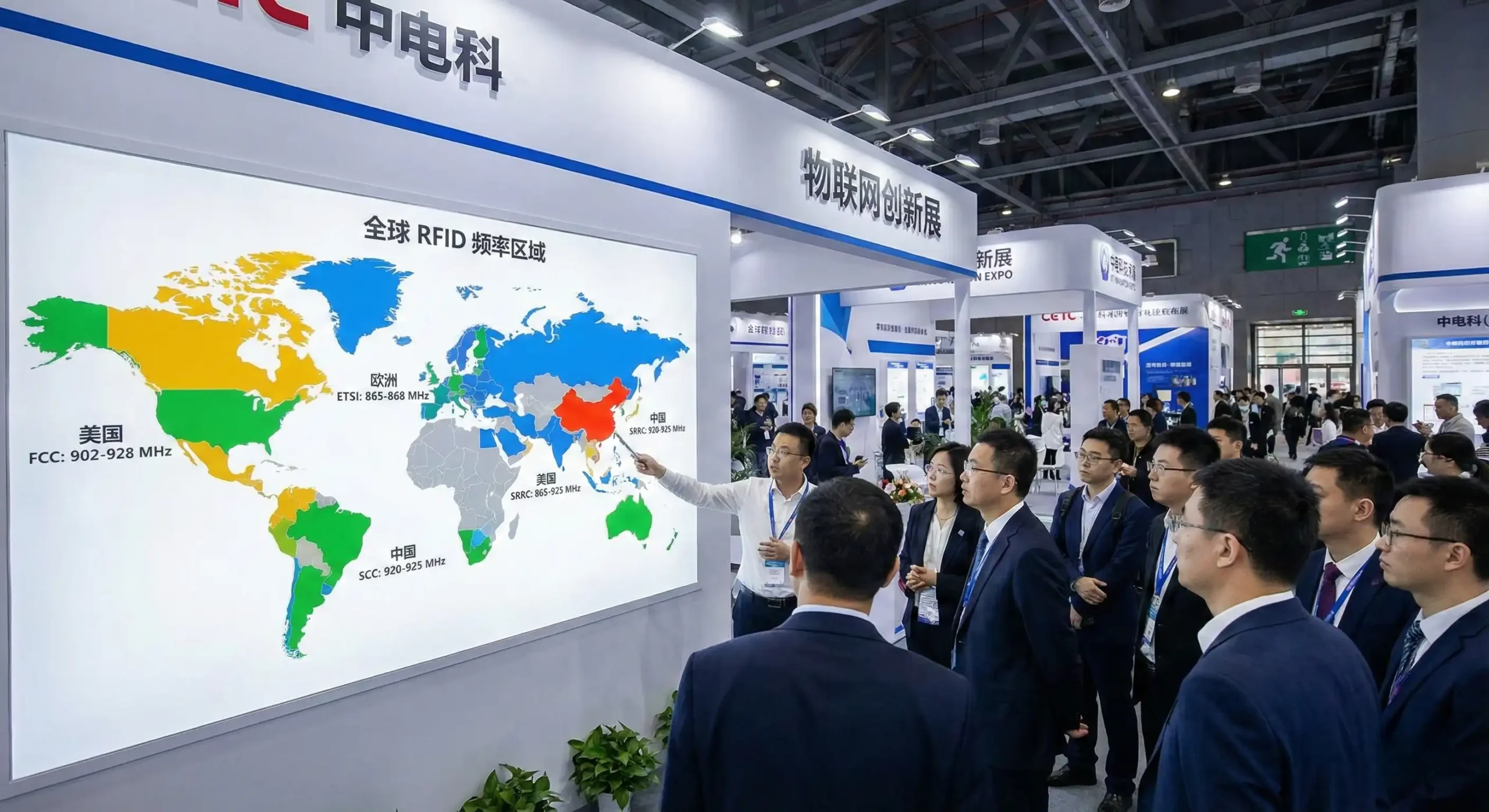
FCC and ETSI operate on different frequencies (902-928 MHz vs. 865-868 MHz). A unified solution uses Software-Defined Radio (SDR) technology to adapt a single device to local laws, ensuring seamless RFID integration without carrying double inventory.
However, frequency is only half the story. Unlike the US, European regulations (ETSI EN 302 208) require readers to perform a 'Listen Before Talk' (LBT) mechanism to prevent interference. Many standard readers fail here. Fongwah readers come pre-configured with this specific algorithm, ensuring you pass local inspections without tweaking a single setting.
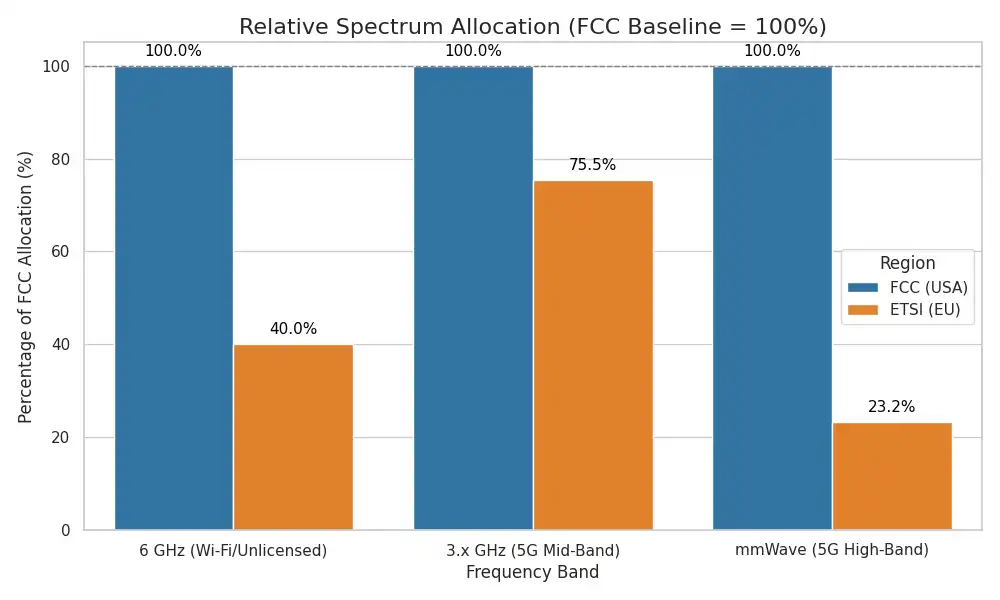
One of the top concerns for global enterprises is RFID reader security and frequency compliance. Deploying non-compliant hardware can lead to significant fines and system interference. In my early days as an engineer, I saw a company try to use American readers in Germany. Nothing worked. The cellular networks there interfered with the RFID signals, and the local authorities were not happy.
FCC (United States) uses the 902-928 MHz band. ETSI (Europe) uses the 865-868 MHz band. You cannot just guess. Traditionally, you had to buy specific hardware for each region. This made inventory management a nightmare.
The solution is flexibility. Our Industrial RFID Reader series features software-defined radio (SDR) capabilities. This allows a single device to switch between FCC and ETSI frequencies. This simplifies inventory for global distributors and ensures seamless RFID integration across different territories. You stock one reader model, and you configure it via software during installation.
| Feature | FCC Standard (US/Americas) | ETSI Standard (Europe) |
|---|---|---|
| Frequency Range | 902 - 928 MHz | 865 - 868 MHz |
| Number of Channels | 50 | 4 (mostly) |
| Power Limit | 4 Watts EIRP | 2 Watts ERP |
| Interference Risk | Lower (Wider band) | Higher (Narrower band, shared usage) |
Is Your Data Truly Safe with Modern RFID Reader Security?
Data theft is a rising threat in modern logistics networks. An unsecured reader acts like an open door for hackers to steal sensitive supply chain info. Encryption stops them cold.
RFID reader security goes beyond physical locks. You need readers that support AES-128 encryption and secure authentication protocols. This prevents unauthorized cloning of tags and ensures that the data sent to your cloud is authentic and untouched.
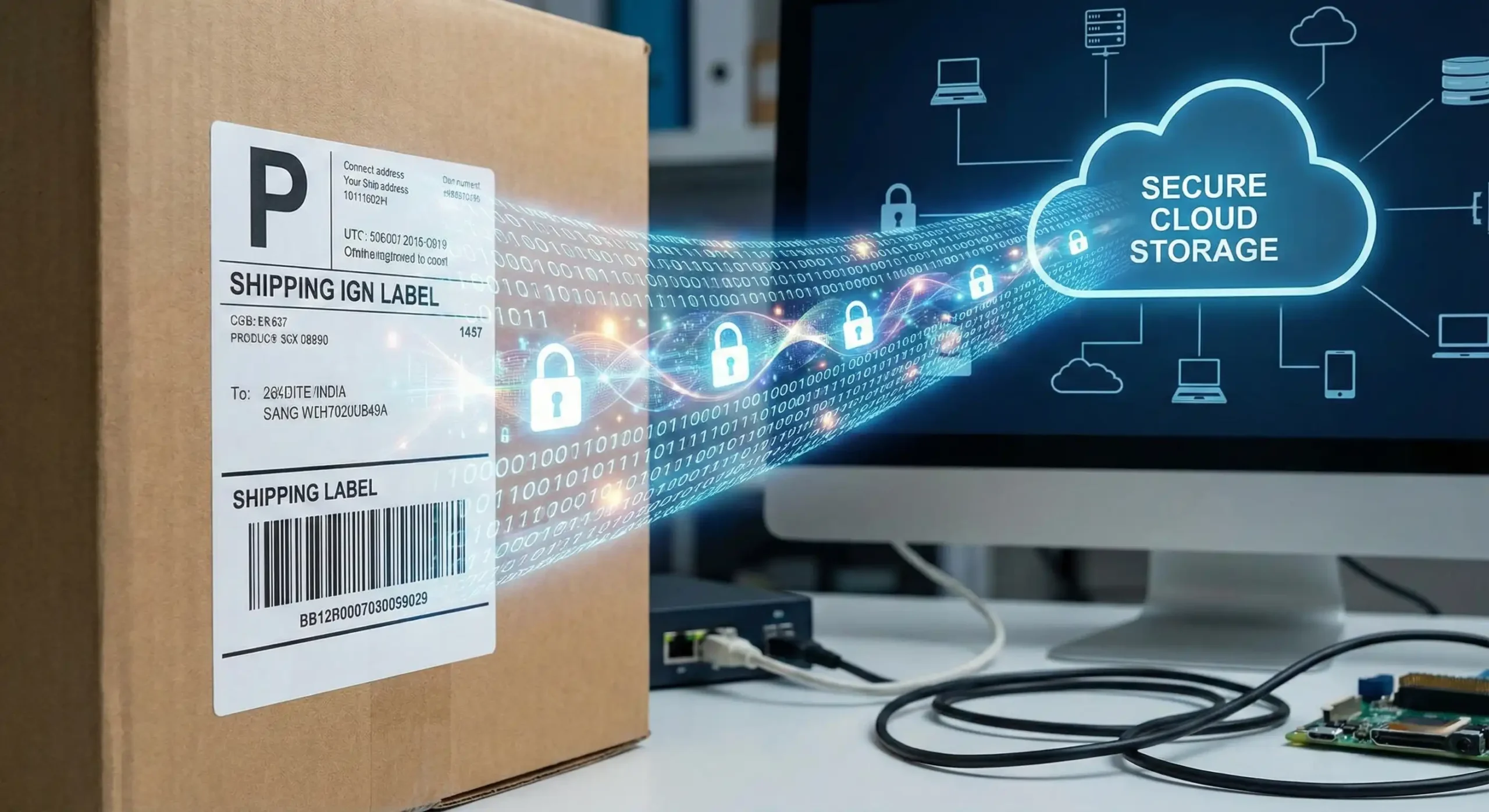
I know an industry expert named William who manages systems for medical supplies in Canada. For him, data security is not optional; it is the law. If someone can surreptitiously read the tag on a box of medicine and clone it, they can introduce fake drugs into the supply chain. This is a life-or-death issue.
Many people think RFID is just radio waves. They forget that the reader is a computer on your network. If the reader is weak, your whole corporate network is exposed. We focus on two specific layers of defense to solve this.
First, we look at the "Air Interface." Sensitive projects, like government ID or medical logistics, should use tags that support encryption. The reader must be able to unlock these tags securely. Second, we look at the network. Use RFID reader security protocols like TLS or HTTPS when the reader sends data to your server. Never send plain text data over a public network. A cheap reader often lacks these protections. Investing in secure readers protects your brand reputation.
How Can You Achieve Seamless RFID Integration for Cross-Border Supply Chains?
Moving goods across borders often creates frustrating visibility gaps. Different systems in different countries cause data silos that blind you to inventory location. A standardized platform unifies your global view.
Successful cross-border operations rely on standardized hardware that talks to a central cloud. By using consistent RFID integration standards, you ensure that a pallet scanned in Shanghai is instantly recognized in Los Angeles, regardless of local frequency differences.
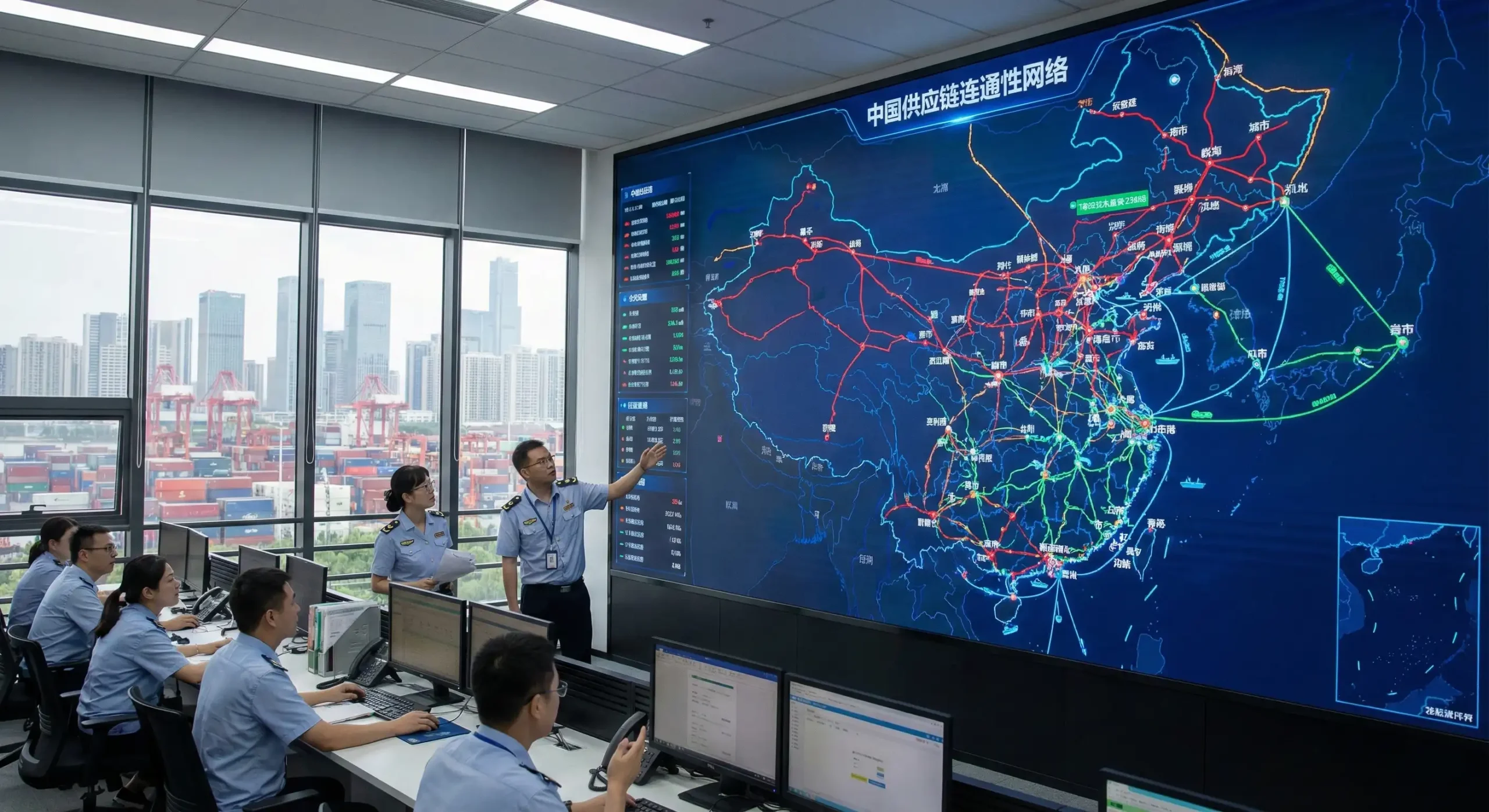
Managing a global supply chain is hard enough without managing ten different types of hardware. I always advise global procurement teams to standardize. You want one SKU for your reader, no matter where it is installed.
This is where the SDR (Software Defined Radio) feature I mentioned earlier becomes a massive business advantage. You buy one model. You configure it for China in the software. You configure it for the US in the software. But the data structure remains exactly the same.
This consistency helps your IT team. They only need to write the RFID integration code once. If you use different readers for every country, you need different middleware for every country. That is a maintenance nightmare. Keep it simple. Standardize your hardware to streamline your data flow. This allows you to scale up rapidly. When you open a new warehouse in a new country, you just ship the standard kit, update the software setting, and go live.
Conclusion
Navigating global standards requires flexible, secure hardware. By using SDR technology and robust encryption, you ensure legal compliance and data safety across your entire supply chain.
---