
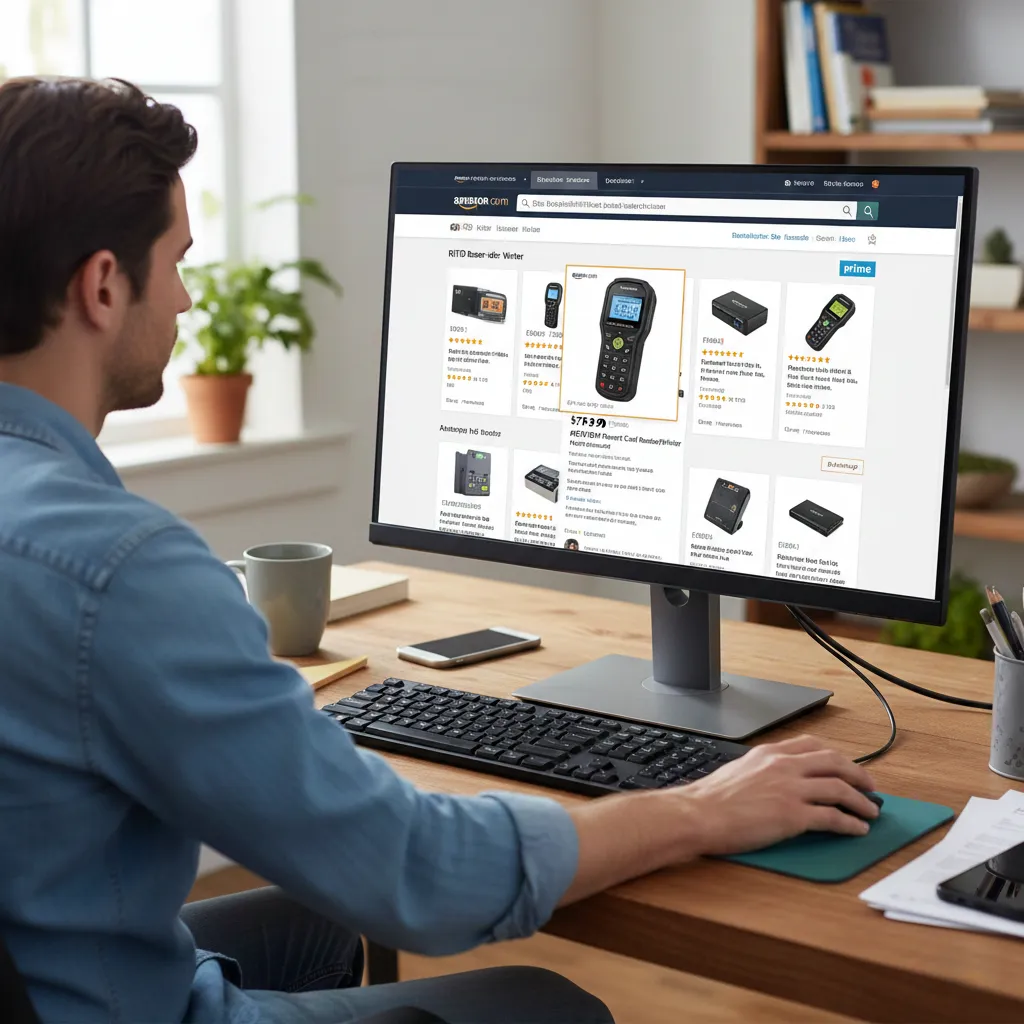
Your warehouse project is ready to launch, but the system keeps missing tags. Buying cheap hardware risks your reputation. I will share the logic to stop this failure.
Selecting the right RFID receiver requires matching the device to the function. Use desktop units with keyboard emulation for simple data entry. Deploy high-sensitivity fixed readers for automated tracking. Always prioritize readers with robust SDK support and proper regulatory compliance like ETSI LBT to ensure long-term stability.
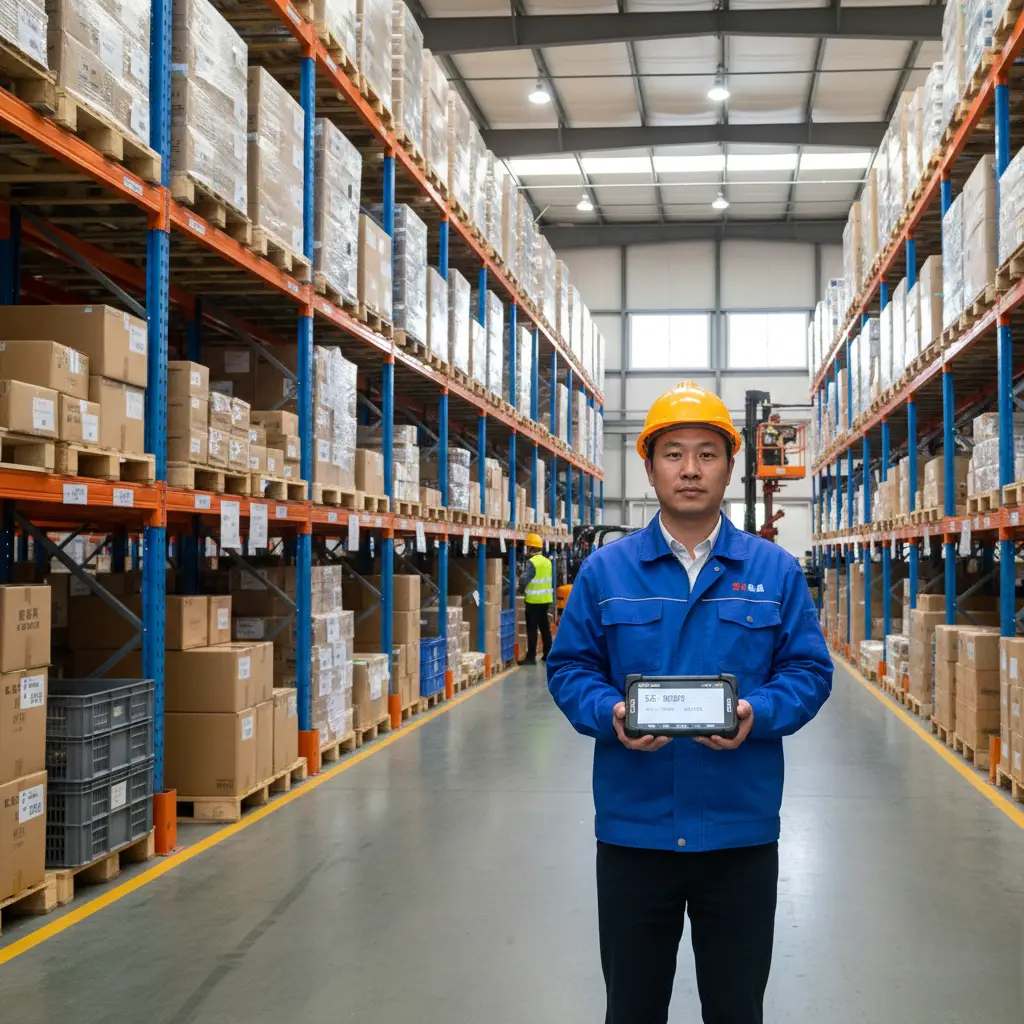
Many integrators focus only on price. They ignore the hidden costs of integration. Let's look at the specific features that matter.
Do You Need an RFID Receiver for Data Entry or Massive Collection?
You might buy a powerful reader for a simple desk job. This wastes money and creates chaos. You must define the primary function of the device first.
For initialization, use desktop writers like the S9-EU or U1-CU with USB keyboard emulation. For automated tracking, use fixed readers with external antennas. Matching the hardware form factor to the human workflow is the first step in a successful deployment.
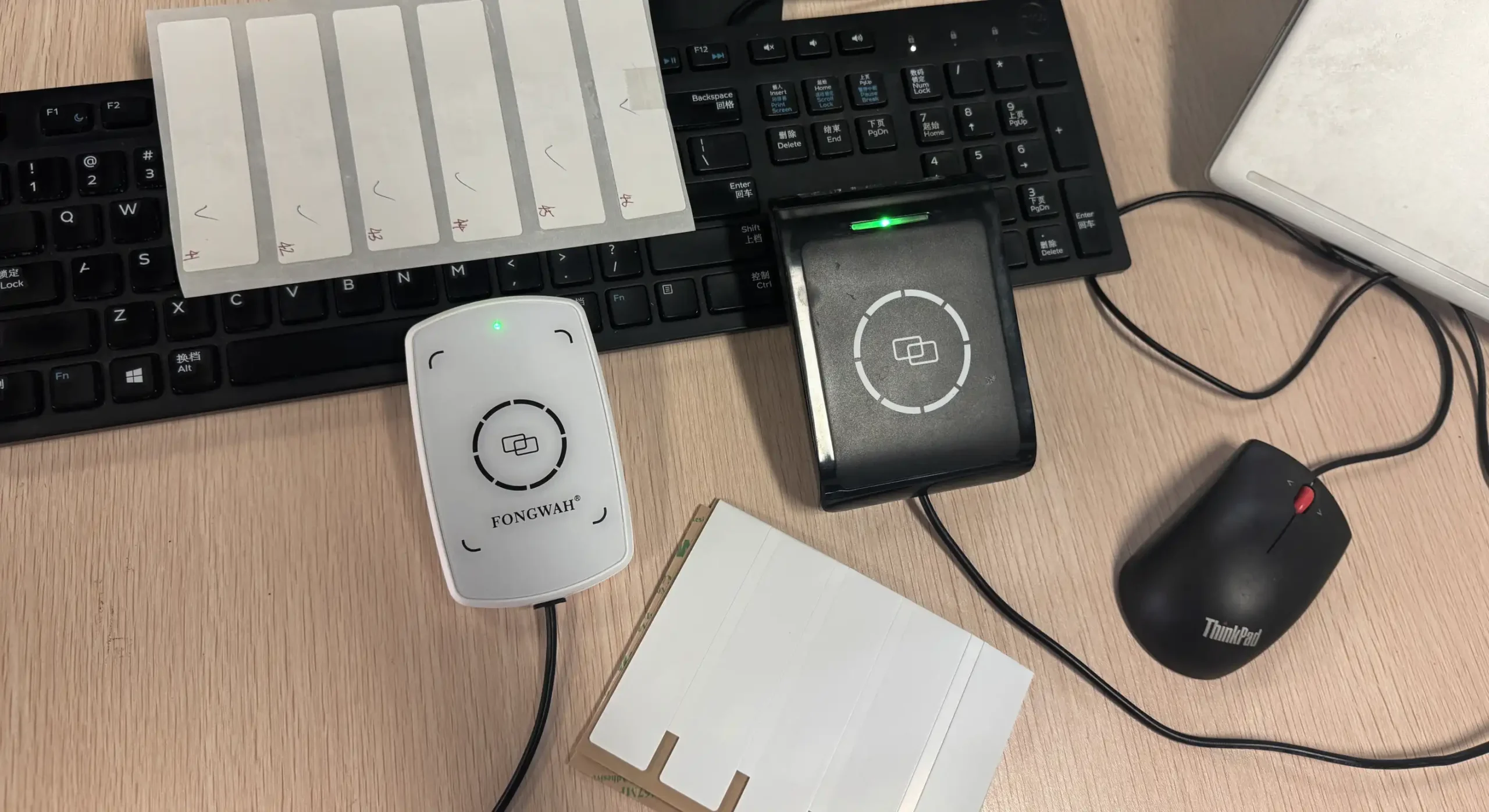
I often ask my clients a simple question: "Is this for a desk or a door?" The answer changes everything. If you are issuing cards or initializing tags, you need convenience. You do not need a device that reads 10 meters away. That will accidentally read the tags on the shelf behind you. You need a focused, short-range device.
For this "Data Entry" phase, I recommend devices like our Fongwah S9-EU or U1-CU. These support a feature called Keyboard Emulation. This is a game-changer for efficiency. You plug the RFID receiver into a USB port. You open Excel or your ERP web page. You place the cursor in the input box. You scan the tag. The ID fills the box automatically. It acts exactly like a keyboard. You do not write a single line of code.
On the other hand, "Data Collection" is different. This happens on the warehouse floor. You want "traces as vehicles pass" or "counting as boxes move." Here, a USB desktop reader fails. You need a device capable of driving multiple antennas. You need a reader that can handle the speed of a forklift. Buying a desktop reader for a dock door is the most common mistake I see. It saves fifty dollars on hardware but costs thousands in missed inventory.
| Feature | Data Entry (Desktop) | Data Collection (Fixed) |
|---|---|---|
| Primary Goal | Writing/Initializing Tags | Tracking/Counting |
| Connection | USB (Plug & Play) | Ethernet / PoE / GPIO |
| Range | Short (0 - 10 cm) | Long (5 - 15 m) |
| Key Feature | Keyboard Emulation | Multi-Antenna Support |
Does High Power Guarantee Range or Is Sensitivity the Real Secret?
Novice buyers obsession with high dBm power settings causes signal reflections. You crank up the power, but the reader still misses tags in a metal-rich environment.
Power pushes the signal out, but receive sensitivity determines if the reader hears the weak reply. In complex warehouses with metal shelves, high sensitivity (like -80dBm) is crucial for distinguishing valid tag signals from background noise and interference.
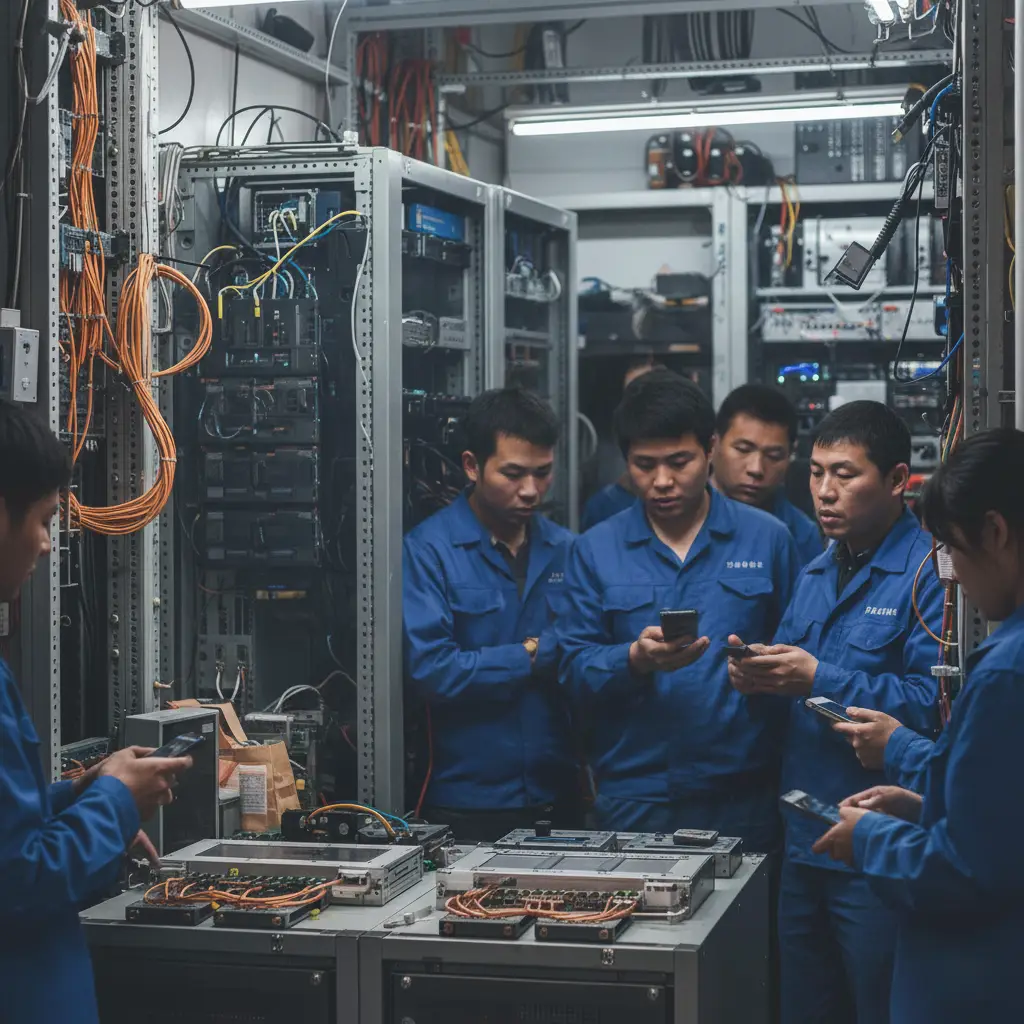
Power is only one side of the coin. Many people think that 30dBm is always better than 20dBm. They believe more power equals more distance. In a laboratory field, this is true. In a real warehouse full of metal racks, this is false. Metal reflects radio waves. If you blast a high-power signal, it bounces off the shelves. It creates noise. It confuses the RFID receiver.
The true measure of a professional reader is "Receive Sensitivity." Passive RFID tags rely on backscatter. They reflect a tiny amount of energy back to the reader. This return signal is very weak. The reader must detect this whisper amidst the shouting of its own transmission.
Our U6-IE or U8 fixed readers feature a sensitivity of -80dBm. This number is critical. It means the reader can detect extremely faint signals. Even if a tag is partially blocked by a cardboard box, the reader picks it up. Even if the tag is at the edge of the read zone, the reader hears it. A cheap reader might have high power but low sensitivity (e.g., -60dBm). It yells loud but has bad hearing. It will miss the tag on the bottom of the pallet. Always look at the sensitivity spec sheet, not just the power output. This distinction separates a 90% accuracy rate from a 99.9% accuracy rate.
Why Is a Complete SDK Your Best Insurance Policy Against Project Failure?
Hardware from generic marketplaces often arrives without software. You get a plastic box, but your developers get a headache trying to make it talk to your database.
A professional RFID receiver must come with a free SDK, source code, and DLL files. This allows developers to integrate the device quickly using C#, Java, or Linux environments. Direct engineering support solves coding issues that Amazon sellers cannot address.

This is the "life-saving charm" for system integrators. I see this scenario constantly. A client buys a generic reader for $50 online. It arrives. They plug it in. It beeps. But now they need to pull that data into their SQL database. They look for the SDK (Software Development Kit). It is missing. Or it is just a PDF manual in a foreign language.
At common marketplaces, you buy hardware. At Fongwah, you buy a solution. We provide a full SDK for free. We include Source Code. This is actual working code in languages like C#, C++, and Java. Your developer can copy and paste the connection logic. We provide the DLL files needed for Windows and Linux integration.
Think about the cost of your time. If your engineer spends three days figuring out how to connect a cheap reader, you lost money. If they use our SDK, they connect in an hour. Also, consider technical support. A client told me recently, "My code won't run on Linux." He asked the Amazon seller. They said, "Reboot it." He asked me. I had verified the issue with our engineers and sent him the correct driver configuration. That is the difference. The hardware is useless if the software integration fails.
Will Your System Pass Regulatory Checks with ETSI and LBT Standards?
Ignoring local radio laws leads to fines and system shutdowns. You cannot simply use an American reader in Europe without risking legal trouble and signal collision.
European integrators must use readers that support Listen Before Talk (LBT). This feature checks if a frequency channel is clear before transmitting, complying with ETSI standards. Ensuring your hardware supports 860-960MHz and specific firmware regional settings prevents legal and technical failures.
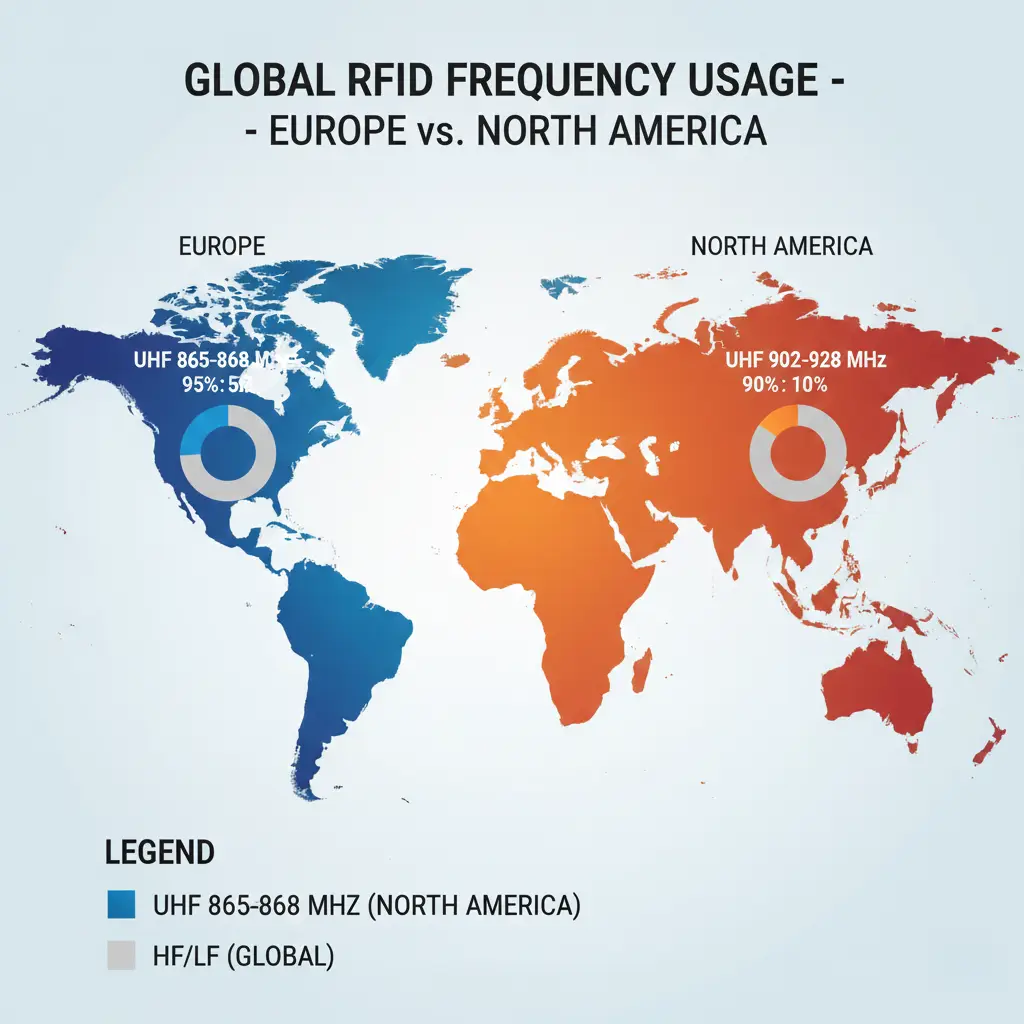
Frequency compliance is a "technical red line." You cannot cross it. The US uses FCC standards. Europe uses ETSI. The rules are different. One specific rule in Europe trips up many foreign products: LBT (Listen Before Talk).
ETSI regulations require the RFID receiver to "listen" to the environment before it transmits. It checks if the channel is occupied. If it is busy, the reader must wait. This prevents signal collisions1. Many cheap readers do not have the hardware logic to do this. They just broadcast blindly. Using these in Europe is illegal. It causes interference with other devices.
Our equipment supports the full UHF band (860-960MHz). More importantly, our firmware adapts. We support the CE/RED standard2 for Europe and FCC for America. We ensure you are compliant.
To help you finalize your decision, here is my personal selection summary based on common scenarios.
| Project Scenario | Recommended Model | Why this choice? |
|---|---|---|
| Office / Card Issuance | U1-CU / S9-EU | Desktop design, Keyboard Emulation for instant Excel entry. |
| Mobile Integration | U1-CT-01 (Module) | Ultra-small size, perfect for embedding into handheld terminals. |
| Production Line | UHF Checkout Reader | Optimized for near-field, reads 250 tags/sec without cross-reading. |
| Vehicle / Door Gate | U8 Fixed Reader | 4-Port Antenna interface, PoE support simplifies cabling, high sensitivity (-80dBm). |
Conclusion
Choosing the right RFID receiver depends on your specific environment. By focusing on sensitivity over power, ensuring SDK availability, and adhering to regional standards, you build a reliable system.
---