
Commercial buildings face security risks and traffic management issues every single day. You might worry about unauthorized entry or your system crashing during peak hours. You need a reliable hardware foundation to stop these problems before they start and keep your clients happy.
A scalable commercial access control system requires selecting the right RFID and NFC readers. You must choose hardware that supports open protocols like OSDP and offers SDKs for custom software integration. This choice ensures your system handles high traffic and remains secure for years without needing constant hardware replacements.

I have worked in the RFID industry for five years. I started on the production line and now I manage marketing. I have seen many projects fail. They fail because the integrators focused only on the software. They forgot about the hardware. The reader is the eyes of the system. If the eyes are bad, the brain cannot work. I want to help you avoid this mistake. We will look at protocols, technology types, and integration methods.
Choosing the Right Interface: Wiegand vs. USB
When building a commercial access control solution, selecting the right communication interface is critical for both compatibility and development efficiency.
Wiegand: The Universal Standard for Retrofitting While the industry is evolving, the Wiegand protocol remains the most widely used standard in existing buildings globally. Its simplicity makes it universally compatible with almost any legacy access control panel.
Our Approach: At Fongwah, we understand that many projects are upgrades rather than new builds. We offer customizable Wiegand readers (supporting Wiegand 26/34 and other formats) to ensure your integrators can easily replace hardware without rewiring the entire building.
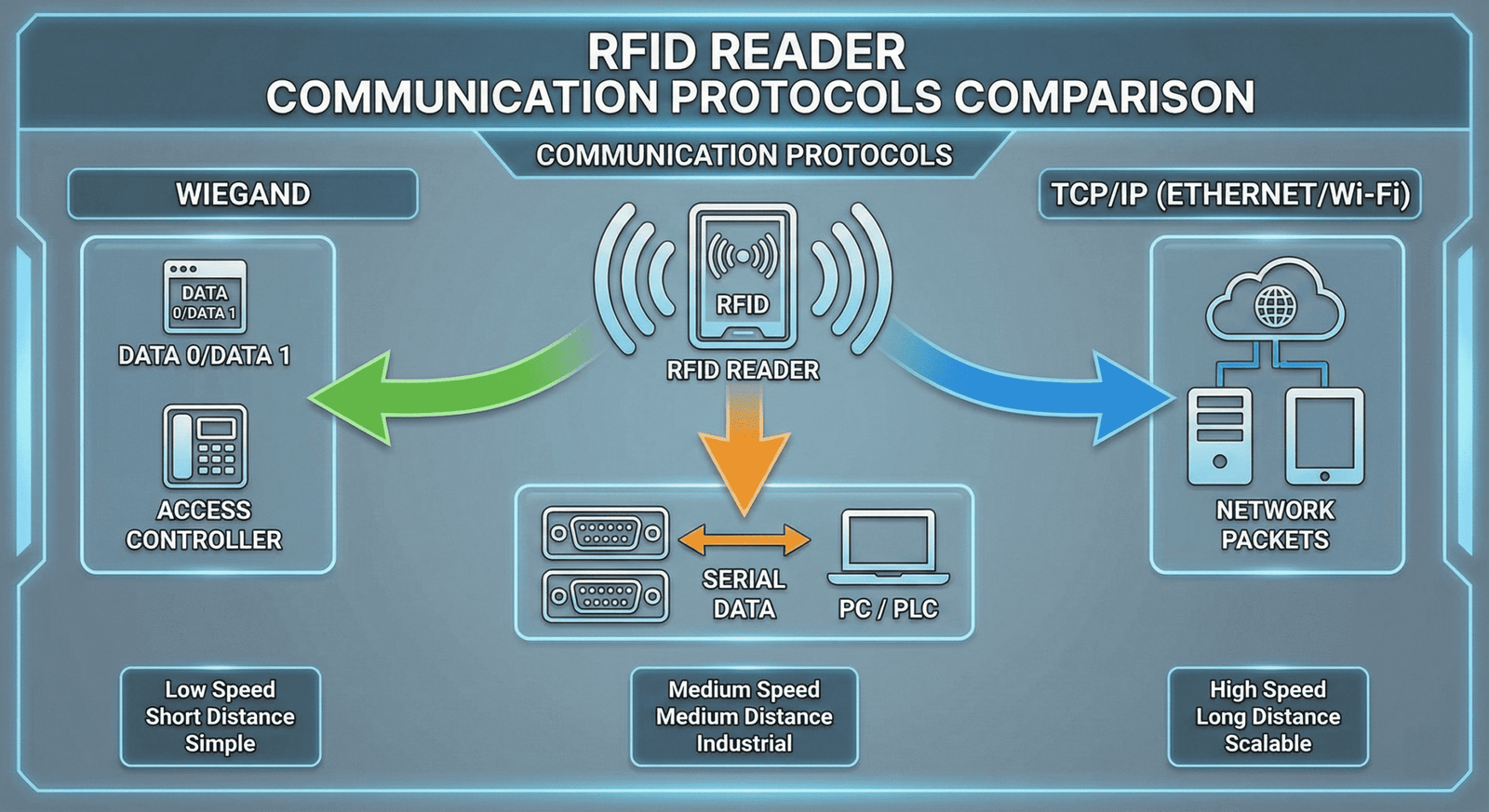
USB & RS232: The Developer's Power Tool While Wiegand handles the door, the real intelligence of a system is built at the desktop. This is where USB RFID readers become essential.
Why It Matters: You cannot secure a facility with blank cards. Before a card is issued to an employee, it must be programmed and encrypted.
The Fongwah Advantage: We specialize in desktop USB readers that act as the bridge between your software and the RFID tag. Unlike simple Wiegand readers that just "read" a serial number, our USB devices allow you to write permission levels and encryption keys directly into the card's memory sectors. This is critical for system integrators building proprietary, high-security solutions.
Optimized Comparison: Matching the Interface to the Application Here is a simple breakdown of when to use which interface for your system architecture:
| Interface Type | Best Use Case | Primary Function |
|---|---|---|
| Wiegand (26/34) | Physical Access Points (Doors, Gates, Turnstiles) | Standard connection to third-party access control panels1 |
| USB | Management & Development (Desktop, Kiosk) | Card enrollment, encryption programming2, and software integration |
| RS232/RS485 | Industrial Integration (PLC, Machinery) | connecting to industrial controllers or backend servers. |
Expert Tip: Do not think of one interface as "better" than the other; they serve different roles in the ecosystem.
For the Door: Stick to Wiegand if you need universal compatibility with existing control boards. It is the industry language that allows Fongwah readers to plug into almost any system.
For the Desk: Use USB readers for your administrative offices. This is the only way to effectively issue cards, write secure encryption keys, and manage user permissions before the card ever touches a door reader.
Should you implement an NFC access control system or UHF RFID?
Choosing between card types and frequencies confuses many integrators and end-users. You might pick the wrong frequency and cause traffic jams at the entrance. You need to match the technology to the specific user behavior and the environment.
Use an NFC access control system for office doors where users want to use their mobile phones. Use UHF RFID for parking lots where drivers need long-range detection without stopping. The right choice improves user flow and reduces complaints about slow access or lost cards.
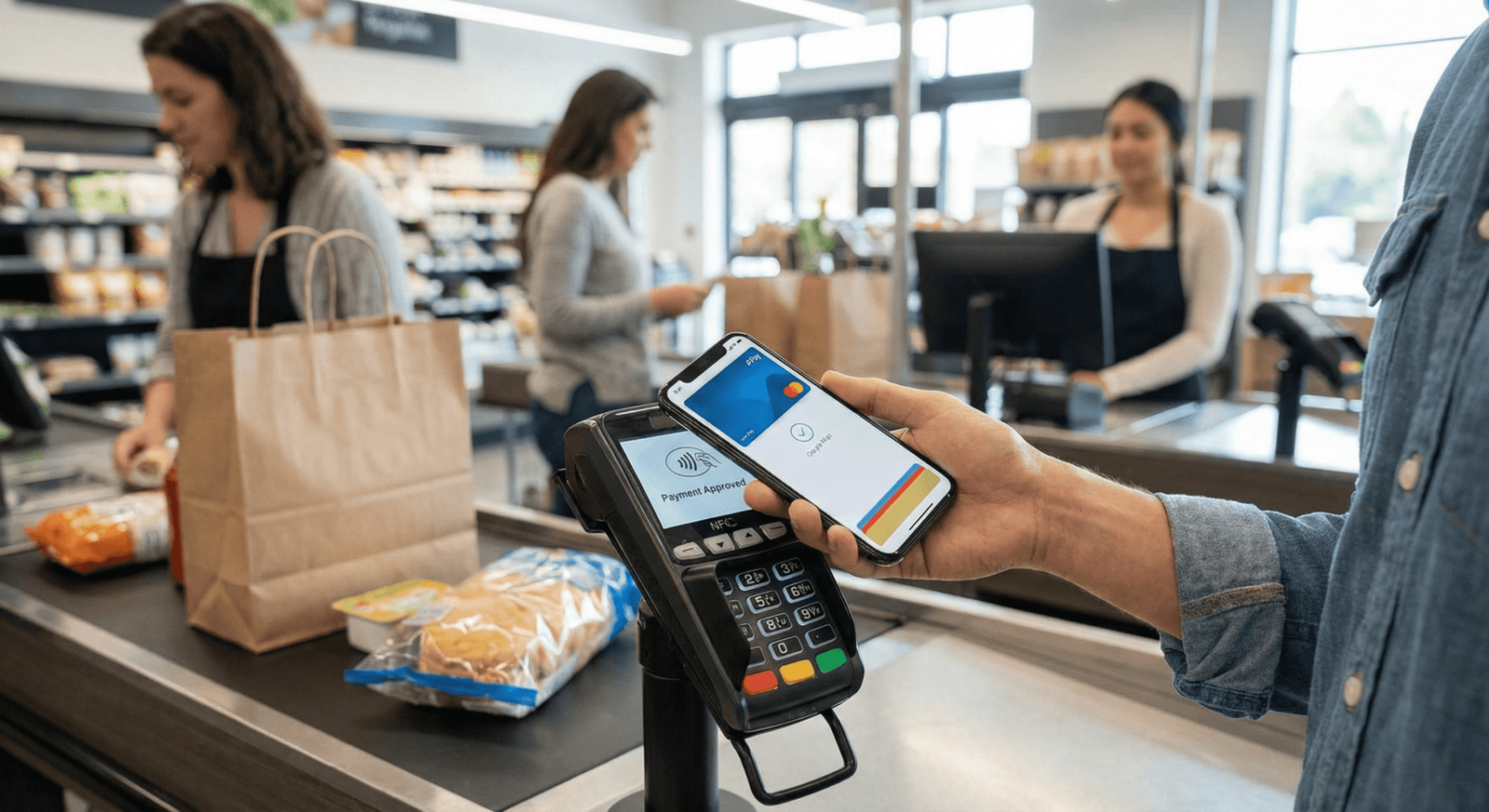
I use my smartphone for everything. I pay for coffee with it. I board the subway with it. Your customers expect to open doors with it too. This is where an NFC access control system wins. It operates at 13.56 MHz. It has a short read range, usually a few centimeters. This is good for security. You must intentionally place your phone or card near the reader. It prevents accidental unlocking.
However, I once visited a logistics park in Shenzhen. They tried to use standard cards for the truck gate. It was a disaster. Drivers had to stop. They rolled down windows. Sometimes they dropped their cards. Rain got inside the truck cabs. It was slow and frustrating.
This is where we switched them to UHF (Ultra High Frequency) RFID. UHF operates at 860-960 MHz. It can read tags from 5 to 10 meters away. We placed a sticker on the windshield. Now, the gate opens before the truck even stops.
You must analyze the critical needs of your client:
- Convenience for Humans: Go with NFC. People always have their phones. It supports ISO 14443A and ISO 15693 standards3. It is perfect for offices and hotel rooms.
- Convenience for Vehicles: Go with UHF. It handles speed and distance. It is best for parking garages and gated communities.
Fongwah provides readers for both. We even have dual-frequency readers. These can read old 125 kHz cards and new 13.56 MHz cards. This helps you upgrade a building slowly without changing every single card at once.
How does the RFID Access control Wiring Diagram impact installation success?
Poor wiring ruins great software and causes intermittent hardware failures. You face signal loss, power failures, or data errors that look like software bugs. You need a clear understanding of hardware connections to ensure your system runs smoothly.
A correct RFID Access control Wiring Diagram connects the reader, controller, and power supply efficiently. You must also consider the software side, where a robust SDK allows your application to control the hardware logic. This combination creates a seamless experience for the end user.
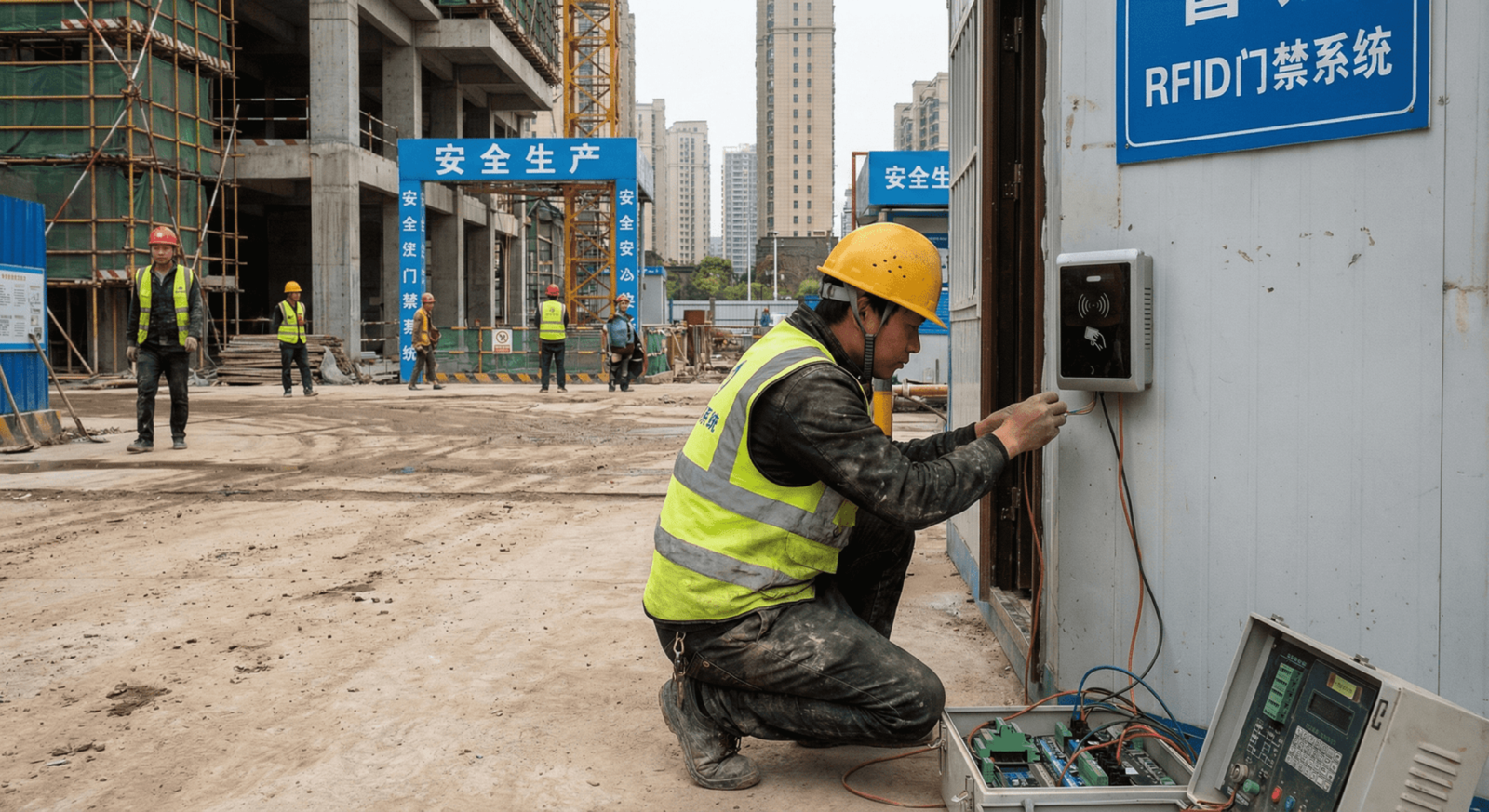
My journey in RFID started from zero, right on the factory floor. I didn't begin my career in a suit. I started as a line operator, assembling readers by hand. Over the years, I worked my way up to team leader, then became an engineer designing the circuits, and finally moved into my current role as Marketing and Sales Manager. Because I have physically built these devices and solved technical issues at every level, I understand your pain when hardware fails. I know that for a system integrator, a "bad connection" isn't just a small error—it's a reputation risk. That is why at Fongwah, we prioritize stability above all else.
In a standard setup, you have four main wires. You have Red (VCC) for power. You have Black (GND) for the ground. Then you have Green (Data 0) and White (Data 1) if you use Wiegand. If you use RS485 or OSDP, the data wires might be different colors, usually Yellow and Blue. You must follow the RFID Access control Wiring Diagram provided by the manufacturer strictly.
But you are likely a software company or a system integrator. You care about the code. This is why the SDK (Software Development Kit) is vital. A lock is just a magnet. The reader is just an antenna. Your software is the brain.
At Fongwah, we support secondary development. We do not just sell you a box. We give you the tools to talk to the box.
- Operating Systems: We support Windows, Linux, and Android.
- Languages: You can use C++, Java, C#, or Python.
Are you developing a proprietary access control solution? Don't let hardware limitations hold back your software's potential. Maybe you want the light to turn purple when a VIP enters. Maybe you want the buzzer to play a specific tune. You can do this if you have full control via the SDK.
Standard readers from big brands often lock you out. They want you to use their software. We do the opposite. We want you to use your software. We provide the robust, programmable RFID and NFC readers specifically designed for custom integration. If you need a custom logo or a specific modification, we offer OEM services to make the hardware truly yours.
Frequently Asked Questions
Q1: What is required for RFID Access Control programming with your readers?
A: Programming depends on the interface. For our USB readers, Fongwah provides a comprehensive SDK (Software Development Kit) for C#, Java, and Python, allowing you to read/write data directly into your application. For Wiegand readers, no programming is needed on the reader itself; the logic is handled by your access controller.
Q2: Do you provide a standard RFID Access control Wiring Diagram?
A: Yes. All Fongwah wall-mounted readers come with a detailed datasheet and color-coded wiring diagram. Typically, Red/Black is for power (12V/GND), and Green/White is for Wiegand data+/data-.
Q3: Can your NFC access control system readers handle both cards and phones?
A: Yes, our 13.56MHz readers are compatible with standard ISO 14443A cards (like MIFARE Classic®) and can also detect NFC-enabled smartphones, making them ideal for modern hybrid access solutions.
Conclusion
Building a scalable system requires secure protocols like OSDP, the right mix of NFC and UHF tech, and flexible SDKs for integration. Fongwah delivers the hardware stability you need.