Your mechanics are wasting hours hunting for lost tools, and scanning generic barcodes simply doesn't scale. I've watched metal interference and lost data completely paralyze automation efforts. An industrial floor demands a robust, automated architecture, not consumer-grade toys.
To build an enterprise RFID asset tracking system, you must deploy high-sensitivity UHF RFID readers as automated capture hubs. Bridging these readers to RFID management software open source via native SDKs ensures real-time, bottleneck-free equipment tracking across your entire industrial supply chain.
Let's map out exactly how you architect an industrial asset tracker without bleeding margin on bloated middleware.
Are Your UHF RFID Readers Dropping Tags in Heavy Industrial Environments?
Integrators often assume any antenna can penetrate a cage of metal tools. When you blast 300 steel assets simultaneously, cheap readers immediately choke and drop the payload.
Reliable equipment tracking demands an industrial-grade UHF RFID hub. Deploying a multi-port reader with aggressive backscatter sensitivity guarantees every single asset is registered instantly, parsing high-density tag populations without throttling your network throughput.
Technical Performance Comparison
| Feature/Metric | Generic Single-Port Reader | Fongwah U8 Fixed Reader |
|---|---|---|
| Data Throughput | ~100 reads/sec (High collision rate) | 500 reads/sec (Zero bottleneck) |
| Antenna Architecture | Built-in single patch | 4 SMA Ports (Multi-angle coverage) |
| Industrial Sensitivity | Average (-65dBm) | Extreme (-80dBm) |
%(UHF RFID readers equipment tracking)[https://placehold.co/600x400 "Industrial UHF RFID Reader Hub"]
Let's talk about the physical layer. The core of any enterprise asset tracking system isn't the software interface; it’s the dock doors. When a forklift drives through a portal carrying a pallet of IT servers or metal scaffolding, RF waves bounce erratically.
If you use a basic, low-cost reader, the anti-collision algorithm simply fails. You get ghost reads, or worse, missed assets.
The Multi-Port Fixed Hub
To solve this, you build your portal around the Fongwah U8 Fixed Reader. This isn't just an endpoint; it's a heavy-duty processing hub. By utilizing its 4 SMA ports, you can bracket a dock door with multiple antennas, eliminating RF blind spots.
Because the U8 handles a blistering 500 reads/sec with an extreme -80dBm sensitivity, it captures the weakest, most detuned signals bouncing off metal equipment. You wire this directly into your local switch via TCP/IP. It captures the data, filters the noise, and pushes a clean payload. This is how you build a system that operators actually trust.
Can Your Hardware Actually Communicate with RFID Management Software Open Source?
You want to pipe data into Snipe-IT or Odoo, but your generic reader is locked behind a proprietary, undocumented API, paralyzing your entire software engineering team.
Integrating RFID management software open source requires raw architectural control. Sourcing a desktop tag issuer with a fully documented SDK allows your developers to bypass restrictive middleware and push hex commands directly to your enterprise database.
Technical Performance Comparison
| Feature/Metric | Legacy Distributor Hardware | Fongwah U6-CU-91 Desktop Reader |
|---|---|---|
| Software Authority | Locked Proprietary Middleware | Full SDK API (Raw C#/Java control) |
| Read/Write Capability | Keyboard Emulation Only | Both Keyboard Emulation & SDK Data Writing |
| Antenna Profile | 1dBi (Slow, close contact only) | 3dBi Ceramic Antenna (0-100cm range) |
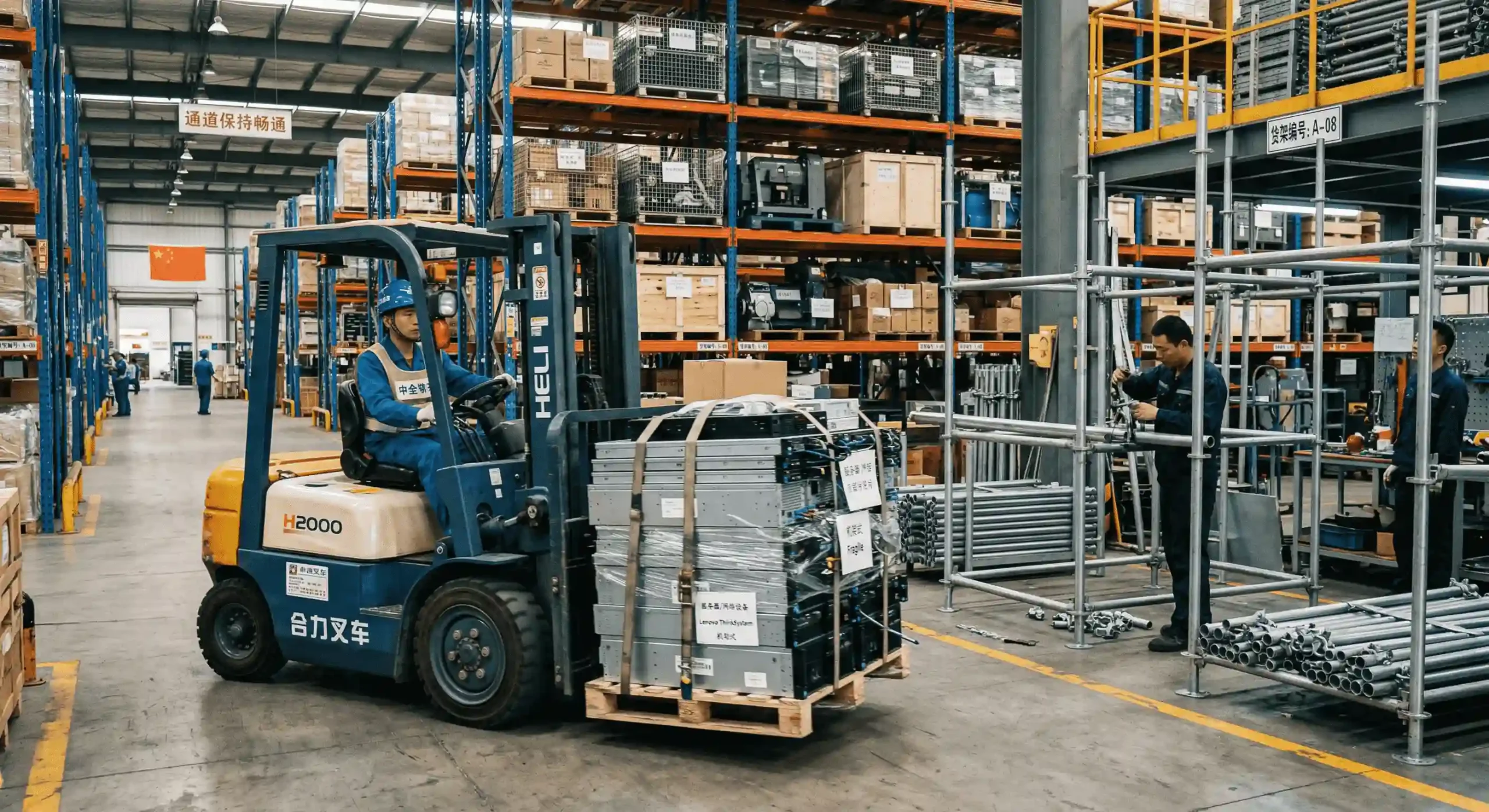
I see integrators fail at the very first step: commissioning the tag. You've chosen a brilliant open-source IT asset management platform to save on licensing fees. Now, your admin staff needs to assign an RFID tag to a new $5,000 oscilloscope.
If you buy a cheap keyboard wedge reader, it just spits a random factory UID into a text field. That is not secure, and it doesn't align with enterprise database architecture. You need to write custom EPC headers directly to the silicon.
The Desktop Issuance Bridge
This is why you put a Fongwah U6-CU-91 on the IT administrator's desk. This UHF desktop unit is purpose-built for tag issuing. It features a 3dBi ceramic antenna that perfectly captures tags within a controlled 0-100cm range, processing them at 100 reads/sec.
More importantly, it supports BOTH Keyboard Emulation and full SDK integration. Your developers can use our DLLs to write a lightweight C# script. When the IT admin places a tag on the U6-CU-91, your script automatically commands the hardware to write the specific Snipe-IT asset ID onto the tag's EPC memory bank. You achieve seamless, bi-directional database synchronization without paying a dime for proprietary third-party software.
What is the Real Deployment Cost of an Enterprise Equipment Tracking Rollout?
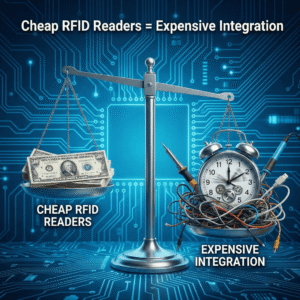
Calculating project ROI based solely on a $50 hardware discount ignores the $10,000 you'll spend paying developers to patch a broken integration and troubleshoot phantom tag reads.
The true cost of an RFID asset tracking system is rooted in integration friction. Partnering with a 20-year OEM manufacturer slashes initial hardware BOM and provides the robust, edge-ready devices needed to deploy multi-site chokepoints months ahead of schedule.
Technical Performance Comparison
| Feature/Metric | Patchwork System Assembly | Fongwah U6-IE-02 Integrated Reader |
|---|---|---|
| Deployment Setup | Separate Reader, Antenna, Cabling | All-in-One Integrated Enclosure |
| Vehicle Tracking Range | ~3 meters (Inconsistent) | Up to 8m (8dBi circular polarized antenna) |
| Vendor Relationship | Intermediary Distributor | Direct OEM Technical Account Manager |
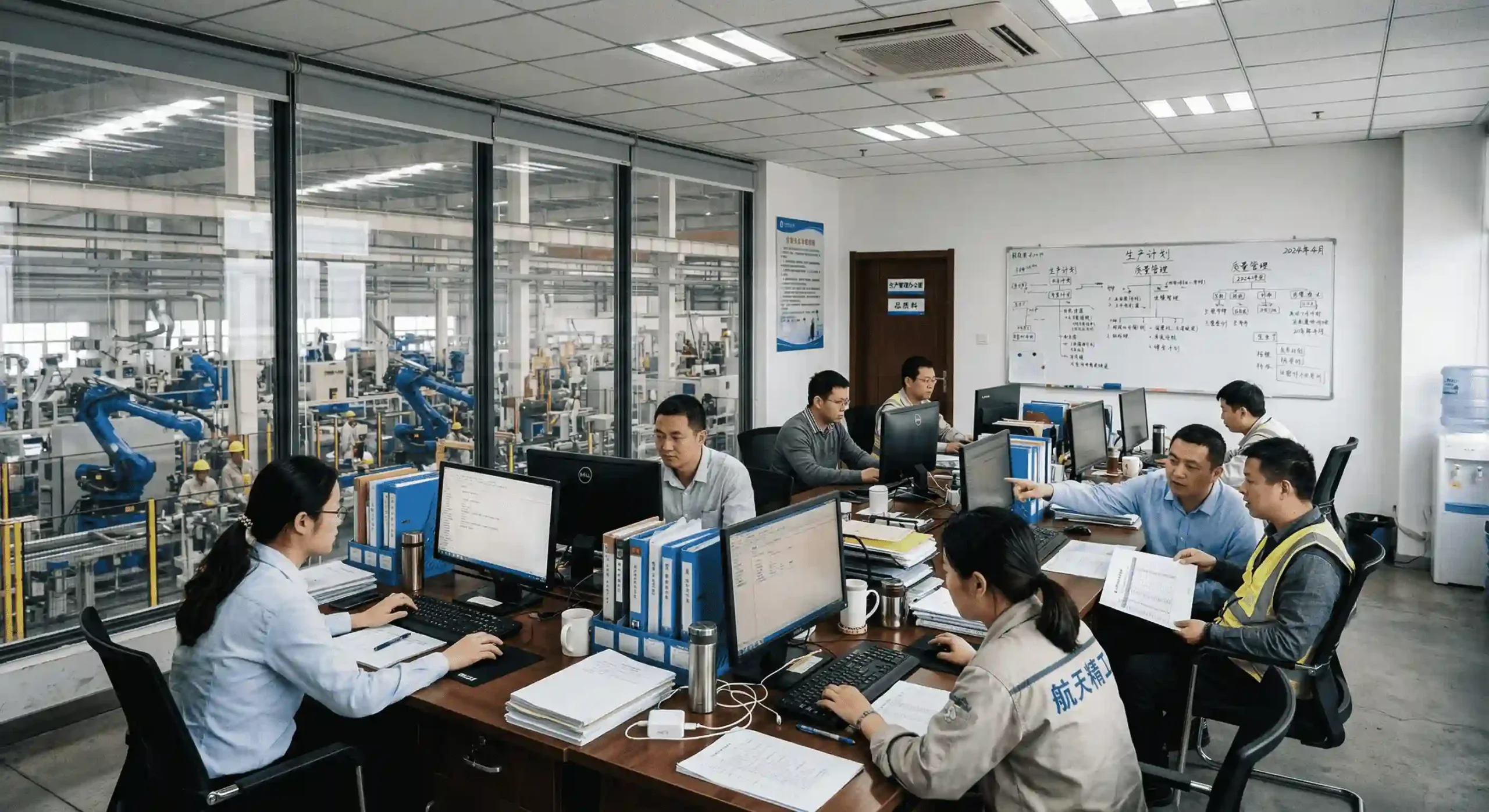
Let's break down the Total Cost of Ownership (TCO). When you map out an equipment tracking matrix for a 200,000 sq ft facility, you aren't just buying tags. You are engineering transition points.
If you try to piece together readers and antennas from four different vendors, your deployment time doubles. You spend weeks calibrating RF power levels instead of rolling out features. By utilizing open-source software, you've already neutralized your recurring SaaS fees. Your remaining budget must be hyper-focused on robust, easily deployable edge hardware.
High-Margin Chokepoint Deployments
For transition zones—like tracking a forklift moving from the warehouse out to the yard—you don't need a massive 4-port portal. You need the Fongwah U6-IE-02.
This is an integrated reader, meaning the engine and the antenna are housed in one rugged unit. Because it packs an 8dBi circular polarized antenna, it easily hits an 8m range at 250 reads/sec. You bolt it to the wall, run a single TCP/IP cable, and it works.
By sourcing directly from an OEM like Fongwah, you cut out the distributor markup. You get globally certified (CE/FCC/RoHS) hardware, native SDKs, and rock-solid reliability. You protect your project margins and you deliver a system that actually tracks the assets it's supposed to.
Frequently Asked Questions
RFID tags are attached to physical assets, allowing industrial UHF RFID readers to capture their data instantly without line-of-sight. This enables automated, real-time tracking of hundreds of metal tools or heavy equipment simultaneously across your supply chain.
Can I integrate RFID readers with open-source asset management software?
Yes. By choosing RFID hardware with fully documented native SDKs and API support, developers can bypass proprietary middleware. You can use languages like C# or Java to push tag data directly into open-source platforms like Snipe-IT or Odoo.
What is the true cost of an RFID asset tracking system?
The total cost of ownership (TCO) extends beyond the hardware price. It includes integration time, deployment setup, and software licensing. Sourcing integrated readers directly from an OEM eliminates distributor markups and reduces expensive engineering hours.
Conclusion & CTA: Stop bleeding engineering hours on cheap hardware. The true cost of an RFID reader is integration time. Prioritize robust SDKs and industrial stability to protect your actual project margins. Stuck on integration or sick of buggy DLLs? Ping me on WhatsApp. I'll send you a working C# sample code snippet right now.
---