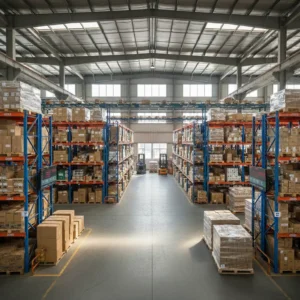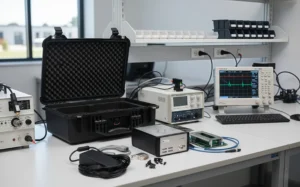

Empty shelves kill retail sales instantly. Shoppers leave frustrated when they cannot find their size, and you lose revenue. You must fix this inventory nightmare today.
RFID technology dramatically reduces out-of-stock situations by automating inventory tracking and boosting accuracy to over 99%. It provides real-time visibility, allowing staff to restock shelves immediately and ensuring customers always find exactly what they need.

Many retailers accept out-of-stock issues as a normal part of business. They rely on outdated methods and hope for the best. However, hope is not a strategy. To truly solve this, we must look at the specific failures of traditional systems and how modern hardware changes the game.
Why Is Manual Counting Failing Your Store?
Counting stock by hand is painfully slow. Human errors happen constantly during boring tasks. You cannot trust your own inventory numbers when they are always wrong.
Manual audits are prone to significant human error and take too long to complete. RFID readers scan hundreds of tags per second, ensuring your digital system matches physical reality perfectly.

I started my career on the production line, so I know how hard it is to stay focused on repetitive tasks. When employees scan barcodes one by one, they get tired. They miss items. They scan the same item twice. This leads to "phantom inventory." Your system says you have five blue shirts, but the shelf is empty. You do not reorder because the system thinks you lie safe. This is how sales are lost.
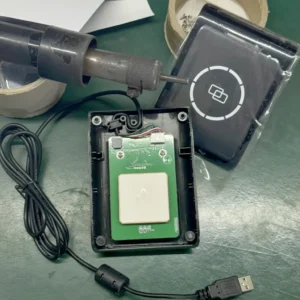
RFID changes this completely. As a manufacturer at Fongwah, we design readers that do not require line-of-sight. You can walk past a rack of clothes and capture data for every single item instantly. This speed allows you to count stock weekly or even daily, rather than once a year. When your data is accurate, your replenishment orders are accurate. You stop guessing and start knowing.
Comparison of counting methods
| Feature | Barcode / Manual Counting | RFID Technology |
|---|---|---|
| Speed | Very slow (one item at a time) | Extremely fast (hundreds per second) |
| Accuracy | Typically 65-75% | Typically 99%+ |
| Labor Cost | High (requires many hours) | Low (finished in minutes) |
| Visibility | Line-of-sight required | No line-of-sight needed |
How Can Real-Time Data Speed Up Restocking?
Sales happen fast on busy weekends. Staff do not know the sales floor is empty while goods sit in the back. Sales opportunities vanish in minutes.
RFID triggers alerts the moment items are sold or leave the shelf. Staff receive notifications to restock immediately from the backroom, keeping sales floors full and customers happy.
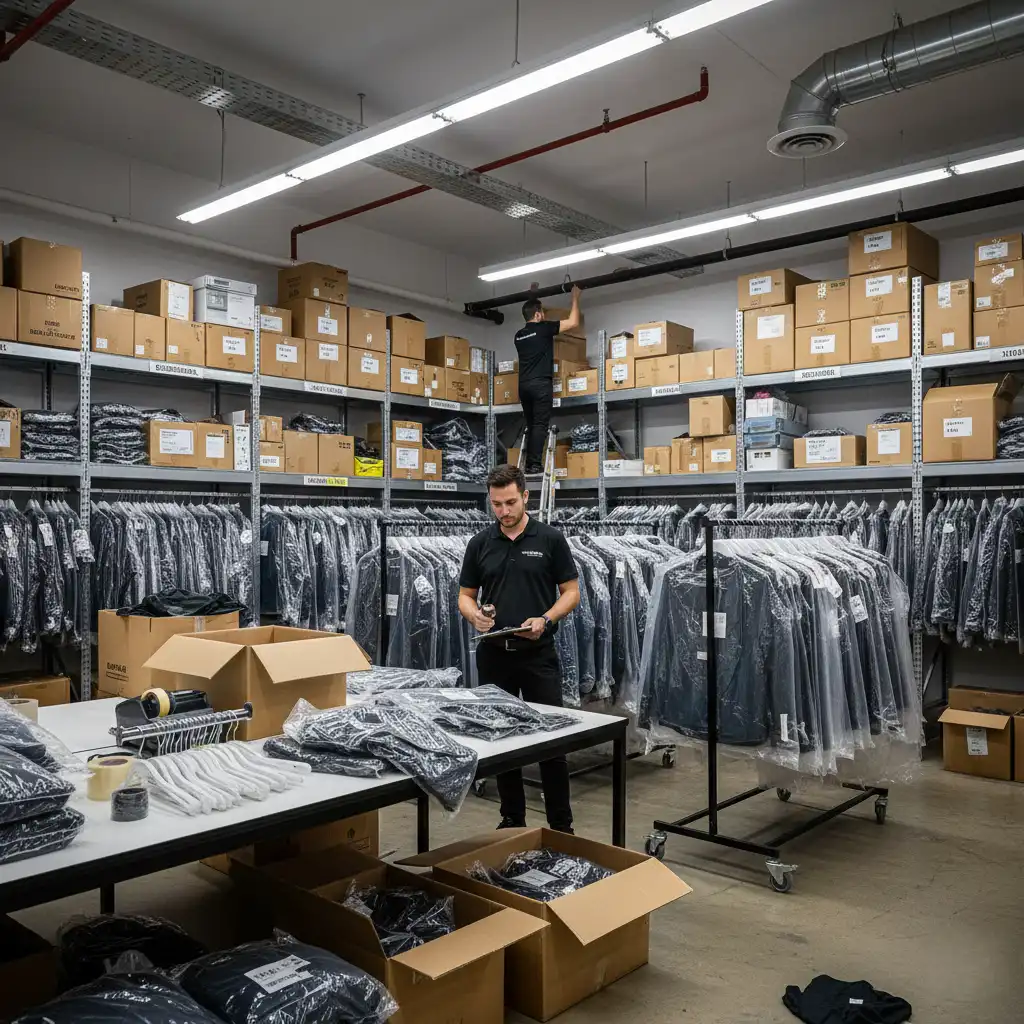
In my five years in the RFID industry, I have seen many stores fail at "the last 100 feet." The product is in the building, but it is not on the shelf. This is the most frustrating way to lose a sale. A customer asks for a medium size. The clerk checks the computer. The computer says "In Stock." But the shelf is empty. The clerk goes to the messy backroom to hunt for it. The customer waits, gets annoyed, and leaves.
We solve this with smart replenishment strategies. By using fixed RFID readers or handhelds at transition points (between the backroom and the sales floor), we create distinct zones. When a POS system records a sale, the system checks the inventory. If the floor quantity drops below a safe level, the system tells the staff exactly what to bring out. It eliminates the search. It turns a chaotic hunt into a precise logistical operation. This ensures that the popular sizes are always available for the customer to buy.
The Restocking Workflow
| Step | Traditional Process | RFID Supported Process |
|---|---|---|
| Trigger | Staff notices empty shelf visually | System alerts staff automatically |
| Location | Staff searches entire backroom | System identifies specific bin/rack |
| Speed | Slow reaction time | Instant reaction time |
| Result | Lost sales during peak hours | Continuous availability |
Does Efficiency Start Before the Goods Arrive?
Receiving new shipments is often chaotic and messy. Boxes pile up on the dock. You waste valuable hours opening cartons to verify every packing slip.
Source tagging applies RFID labels at the factory. You verify incoming shipments instantly upon arrival without opening boxes, making your supply chain transparent and completely error-free.
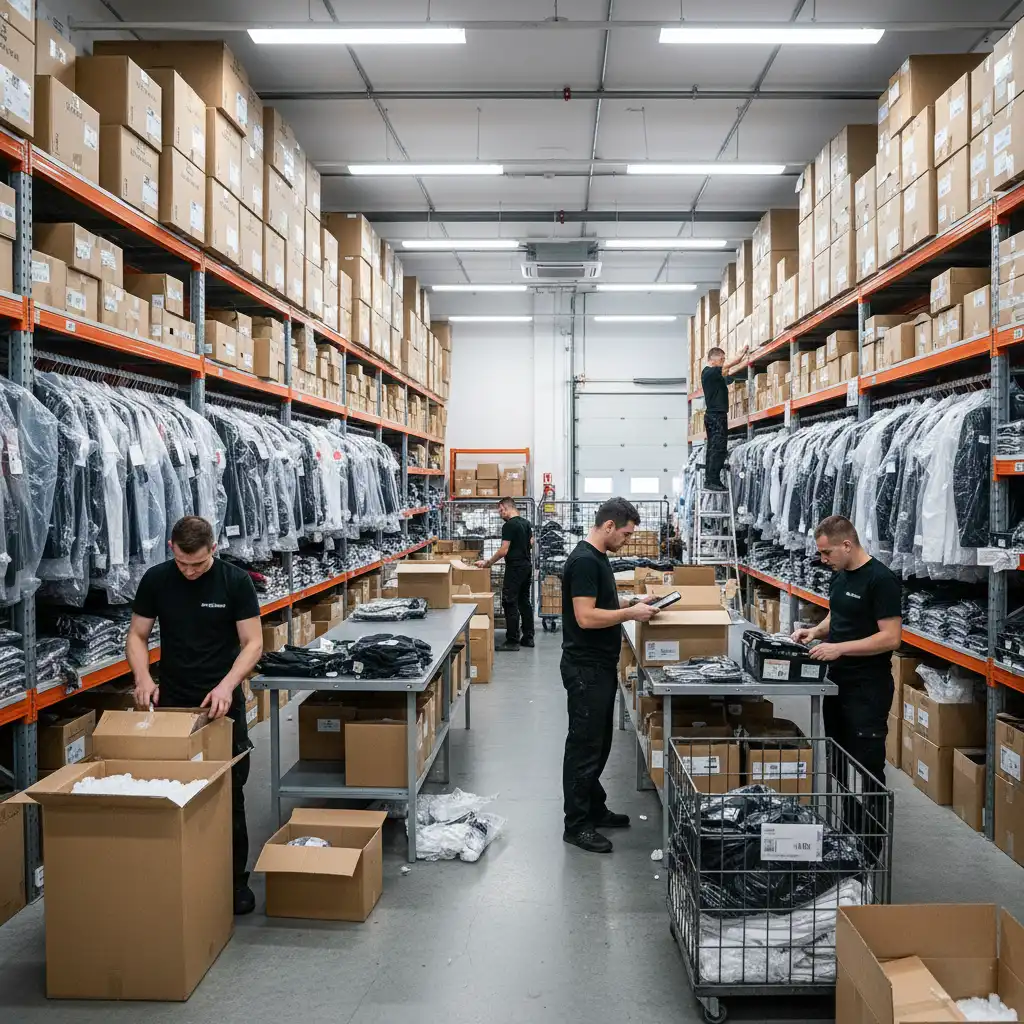
If you want to reduce out-of-stock issues, you must secure the supply chain first. William, with his technical background, understands that garbage data in means garbage data out. If you receive the wrong size or color from the vendor, your shop floor will never be right. Traditional receiving requires opening boxes and scanning items manually. This is slow and hurts product availability. Items sit on the dock for days waiting to be processed.
At Fongwah, we advocate for source tagging. This means the RFID tag is applied during manufacturing. When the box arrives at your store, you do not open it. You use a high-performance RFID reader to scan the entire closed carton. You instantly verify that the contents match the order. If an item is missing, you know immediately. This allows you to get products from the delivery truck to the sales floor in minutes, not days. The faster the fresh inventory hits the floor, the less likely you are to face out-of-stock scenarios.
Inbound Logistics Impact
| Metric | Traditional Receiving | RFID Receiving |
|---|---|---|
| Verification | Open box, scan individually | Scan closed box instantly |
| Time per Box | 5 to 10 minutes | 5 to 10 seconds |
| Data Quality | High error rate | 100% verification |
| Stock Availability | Delayed availability | Immediate availability |
Conclusion
RFID transforms apparel retail by boosting accuracy, automating restocking, and streamlining receiving. This technology is the vital key to cutting out-of-stock scenarios by 50% and significantly increasing your profit.
---