You're losing bids because legacy M6e-series modules inflate your hardware BOM. You are paying a massive "brand tax" for US-based labels while suffering through unstable lead times. I've watched integrators bleed margins just to get basic -80dBm sensitivity.
A high-performance UHF RFID alternative to the M6e-series module must deliver strict -80dBm receive sensitivity and 500 tags/sec throughput. Sourcing an industrial RFID hardware supplier with OEM capabilities eliminates the Mercury6e replacement brand tax while maintaining identical RF performance, global CE/FCC compliance, and seamless SDK integration.
Let’s stop paying for the logo and start engineering your profit margins back into the decibels.
Is -80dBm Sensitivity the Real Benchmark for Industrial Deployments?
Engineers blindly spec legacy modules assuming only big brands can penetrate dense pallets. In reality, RF physics doesn't care about the sticker; it cares about the noise floor.
Achieving a -80dBm RFID reader module sensitivity dictates maximum read range and tag penetration. High-performance UHF RFID modules match this exact decibel floor, allowing RF engineers to capture weak backscatter signals from buried tags without overpaying for legacy Mercury6e replacements.

you know the physics. When a forklift drives through a dock door loaded with liquid or metal assets, you aren't fighting the tag; you are fighting the environment. The "Industry Standard" became the standard because it hit that magical -80dBm receive sensitivity. But silicon manufacturing has evolved.
You don't need a US-based brand name to capture a faint backscatter signal. You need pure, unadulterated hardware engineering. I started on the production line tuning these exact circuits. I know exactly how much it costs to build a high-performance RF front end, and you are being wildly overcharged.
The Engine: 4 Ports, 500 Reads/Sec
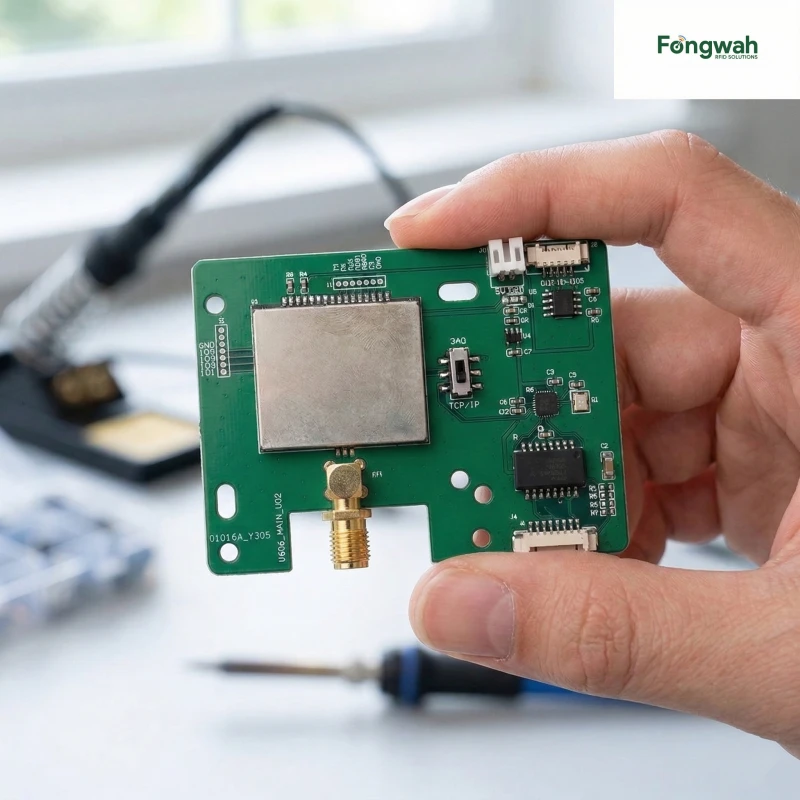
If you are building a fixed portal or a smart forklift system, you need heavy-duty processing. You drop our U8 Module directly onto your carrier board.
- The Specs: It delivers the exact -80dBm sensitivity you demand, handles 500 reads/sec , and features 4 SMA ports pushing 6-32dBm.
- The Reality: This is the exact M6e alternative you need for warehouse choke points. But beyond RF physics, it solves the IT nightmare: the U8 natively supports RS232 or TCP/IP communication. Stop pulling complex wiring harnesses; get it on the network directly and securely. No throttling, no brand markup.
| Specification | Legacy M6e-Series | Fongwah U8 Module |
|---|---|---|
| Receive Sensitivity | -80dBm | -80dBm (Identical) |
| Max Read Rate | ~500+ tags/sec | 500 reads/sec |
| Antenna Ports | 4 SMA | 4 SMA |
| Hardware Cost | High (Brand Premium) | Optimized (Direct OEM) |
Can Your Supply Chain Survive the Lead Times of Legacy Brands?
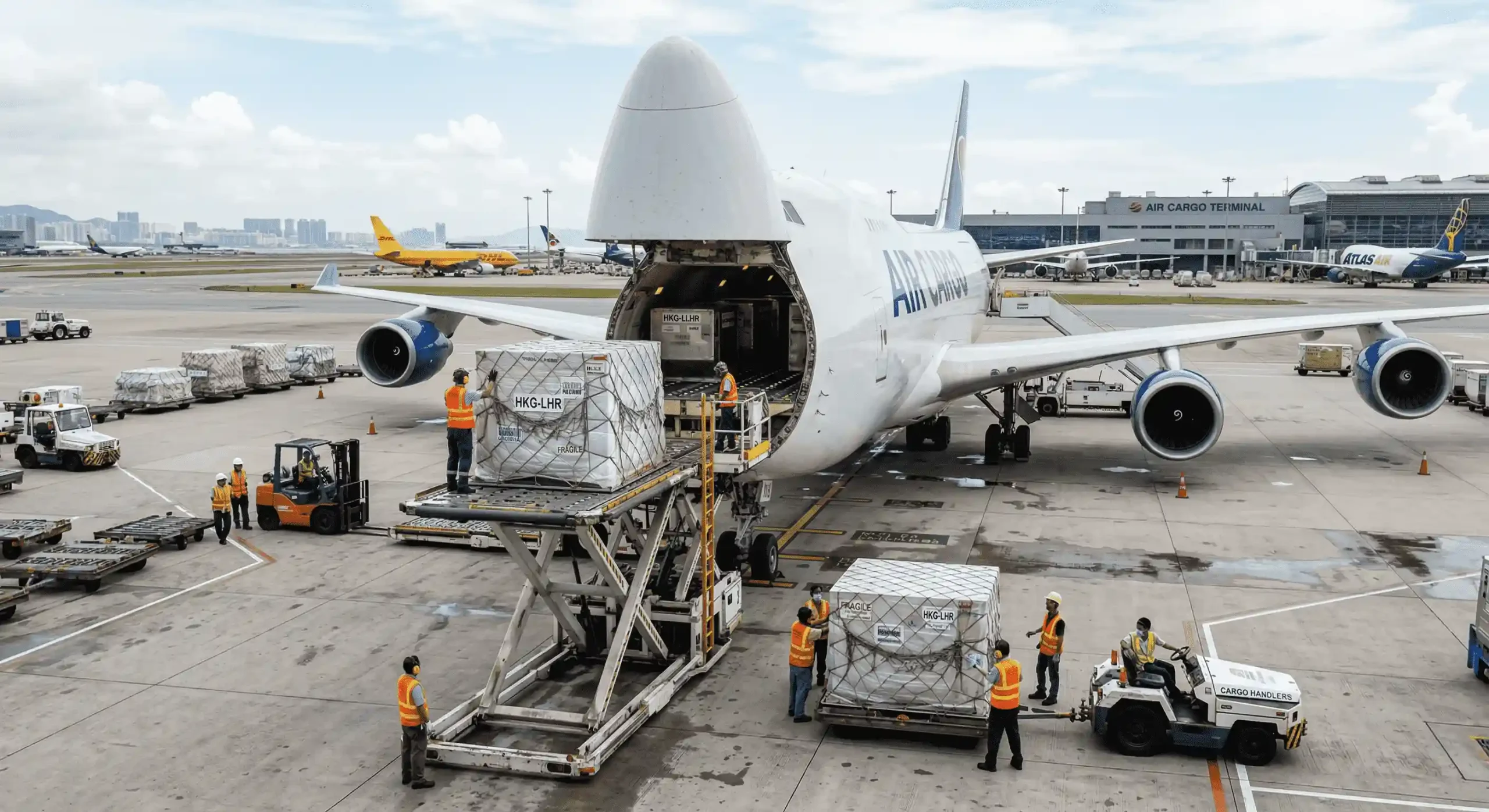
Winning a massive logistics contract is useless if your hardware supplier quotes a 24-week lead time. Relying on legacy US brands paralyzes your deployment schedule and angers your clients.
Partnering directly with a 20-year industrial RFID hardware supplier guarantees stable revision control and aggressive lead times. An OEM manufacturer controls the entire PCB assembly, ensuring your high sensitivity UHF module pipeline remains uninterrupted while strictly adhering to FCC, CE, and RoHS global compliance.
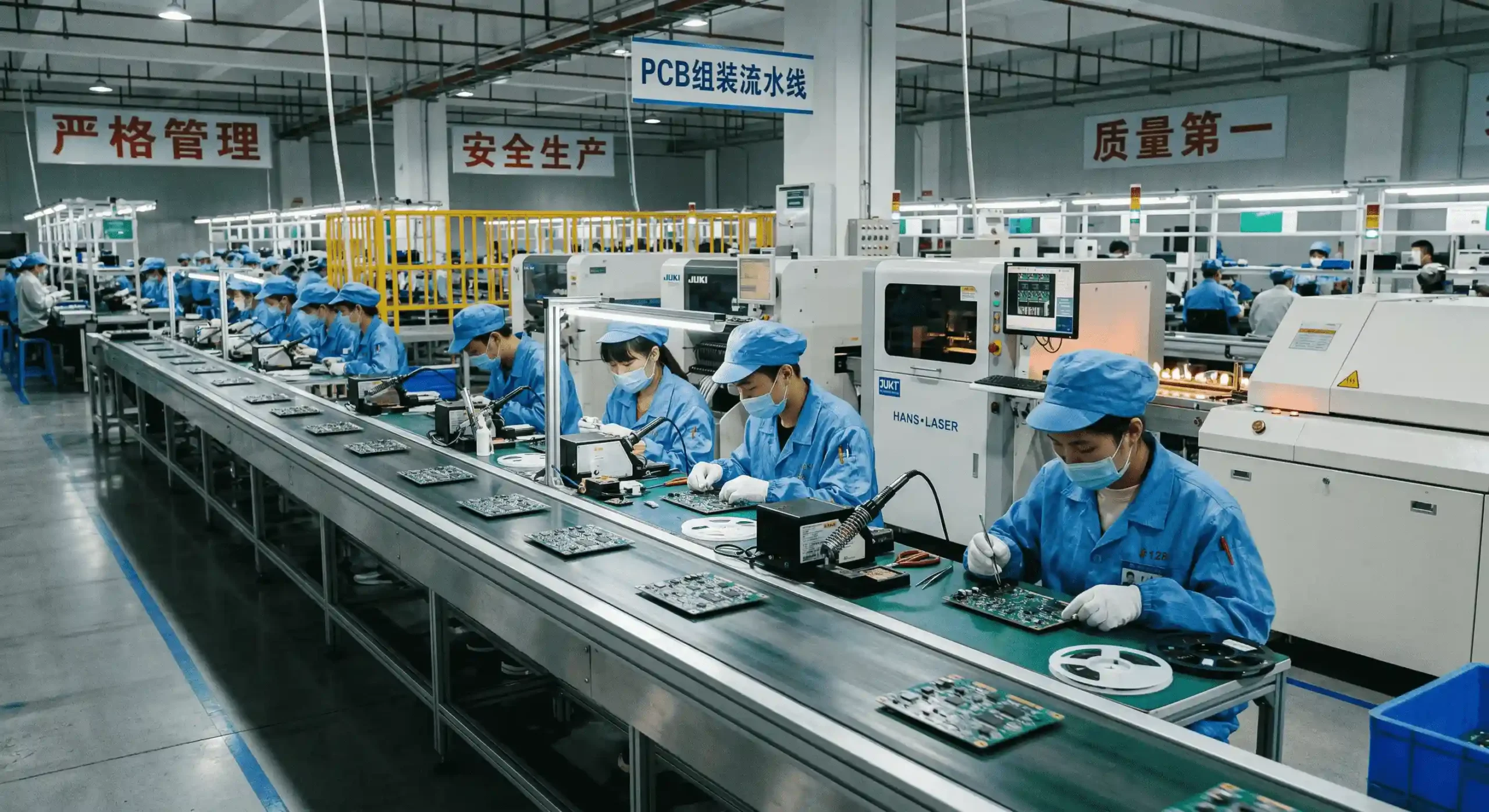
Let's talk about the business side of engineering. You spec a legacy module for a global rollout spanning Canada, the EU, and Japan. Suddenly, your distributor tells you the chip is on backorder. Your developers are sitting idle, and your client is threatening to pull the contract.
This is the hidden cost of the "Industry Standard." You are at the mercy of their massive, inflexible supply chain.
As a true manufacturer since 2005, Fongwah doesn't just assemble parts; we control the line. We provide a highly stable hardware pipeline. More importantly, we don't cut corners on the regulatory side.
Global Compliance Without the Wait
If your application is slightly less dense but requires extreme connectivity flexibility, you might integrate the U6-NE-01.
- The Specs: It offers a highly sensitive -76dBm floor, pushes 3-30dBm, and natively supports USB, Serial, and RJ45 out of the box with up to an 8m range.
When you deploy our modules, you aren't guessing about customs clearance. We maintain strict CE, RoHS, Red, TELEC, and FCC certifications. Stop looking at just the dBi. If your alternative reader doesn't strictly support ETSI standards with absolute LBT (Listen Before Talk) compliance, your European deployment isn't just delayed—it's illegal. You get the Mercury6e replacement performance, the global certifications, and the hardware actually ships when you need it.
| Deployment Factor | Legacy Distributor Channel | Fongwah Factory Direct |
|---|---|---|
| Lead Times | Unpredictable (12-24 weeks) | Agile & Controlled |
| Global Certifications | FCC / CE | FCC, CE, TELEC, RoHS (Strict LBT) |
| Revision Control | Subject to silent changes | Locked BOM for Integrators |
How Fast Can You Migrate Your C# Integration to a New Module?
Integrators fear switching hardware because rewriting middleware is expensive. They stick with overpriced modules simply because their legacy C# codebase is held hostage by a proprietary, bloated API.
A true Mercury6e replacement must offer a frictionless software transition. By supplying clean, robust SDKs complete with raw DLLs and API documentation, integrators can rapidly port their existing C# or Java logic to a new industrial RFID hardware supplier without rebuilding their entire application architecture.
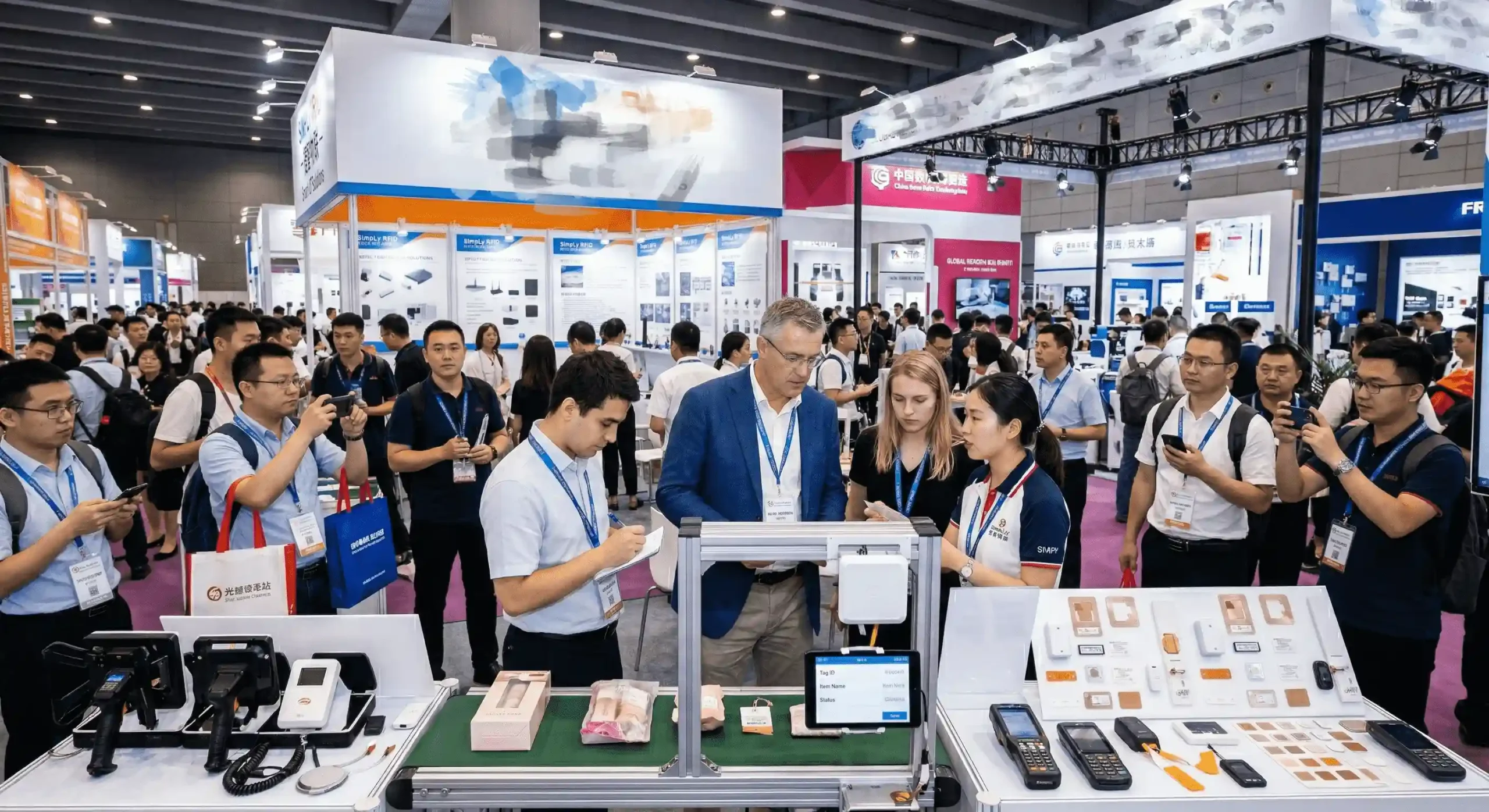
I know exactly why you hesitate to switch out the core engine. You've spent two years perfecting your anti-collision algorithms and database handshakes based on the legacy module's API. The thought of ripping that out makes your lead developer want to quit.
But migrating to a high sensitivity UHF RFID module shouldn't require a ground-up software rewrite. You don't need a bloated, abstract middleware that consumes excessive CPU cycles on your edge gateway. You need direct, low-level access to the hardware.
Bare-Metal API Control
Whether you are integrating the bare-metal 4-port U8 module or using a finished reader, we provide the native SDKs1. We don't hide our command protocols behind black-box software. We give your team the direct hex commands and clean C# wrappers.
If you are building an integrated vehicle access point and decide to use our finished U6-IE-02 (which features an 8dBi circular polarized antenna ideal for parking management, reaching up to 8m at 250 reads/sec), you use the exact same foundational logic. You control the RF power, the session flags, and the Gen2 Q-values directly. You maintain total architectural authority over the system, seamlessly swapping out the expensive legacy nodes for high-margin OEM equivalents.
| Integration Layer | Legacy Proprietary API | Fongwah Open SDK Approach |
|---|---|---|
| Hardware Lock-In | High (Code bound to brand) | Low (Direct command transparency) |
| Development Overhead | Bloated Middleware | Lean, direct C#/Java DLLs |
| Troubleshooting | Wait for brand tech support | Direct factory engineering access |
Data Initialization (Reading is Silver, Writing is Gold)
You've integrated the high-performance modules for your dock doors, but how is your team encoding the tags before they hit the floor? If you are manually entering hex codes via a handheld, your deployment will bottleneck instantly.
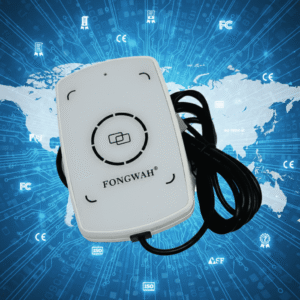
A true hardware partner provides the complete ecosystem. For the initialization station, drop a U6-CU-91 Desktop Reader next to your PC. It operates on the same 860-960MHz band. More importantly, it features true USB Type A plug-and-play functionality with keyboard emulation and read/write integration. You configure the tags via our SDK, initialize the payload, and send the pallet out to be blasted by the U8. That is how you build a resilient, closed-loop system.
Frequently Asked Questions
Is the Fongwah U8 a direct pin-to-pin replacement for the Mercury6e?
We focus on performance and architecture replacement rather than physical "blind" drop-ins. The U8 module matches the legacy -80dBm sensitivity and 500 reads/sec throughput. While you may need to adjust your carrier board layout, the massive reduction in hardware BOM and stable lead times make the minor PCB revision highly profitable.
Will I need to completely rewrite my C# middleware to switch to Fongwah modules?
No. We provide native SDKs with clean C# wrappers, dynamic DLLs, and direct hex command documentation. You maintain bare-metal API control without being locked into proprietary, bloated middleware.
Are these modules certified for global logistics deployments?
Yes. We are an original manufacturer with strict adherence to global standards. Our equipment holds CE, RoHS, Red, TELEC, and FCC certificates. We ensure absolute LBT (Listen Before Talk) compliance required for European markets.
How do we handle tag initialization before deploying the fixed portal readers?
We provide the U6-CU-91 desktop reader for seamless data initialization. It operates on the same 860-960MHz band, supports USB Type A plug-and-play, and uses the same underlying SDK architecture as our industrial U8 modules.
Conclusion & CTA:
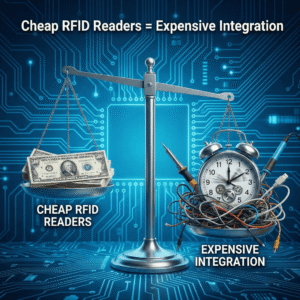
Stop bleeding engineering hours on cheap hardware or waiting months for legacy brands. The true cost of an RFID reader is integration time and supply chain stability. Prioritize robust SDKs and direct factory support to protect your actual project margins.
Stuck on integration or sick of buggy DLLs? Ping me on WhatsApp. I'll send you a working C# sample code snippet right now.
Native SDKs enable faster, more reliable software integration, reducing development time and technical headaches. ↩