We are shifting from the simple "Barcode Era" to a complex "RFID Automation Era," yet many logistics managers obsess over tag prices while ignoring the machine that actually processes the data.
The success of your inventory system relies on the "brain," not just the sticker. High-performance Long-range UHF RFID Readers are the only tools capable of solving anti-collision issues on high-speed conveyors and penetrating difficult environments like metal or liquid-filled storage, ensuring real-time data flows into your WMS.
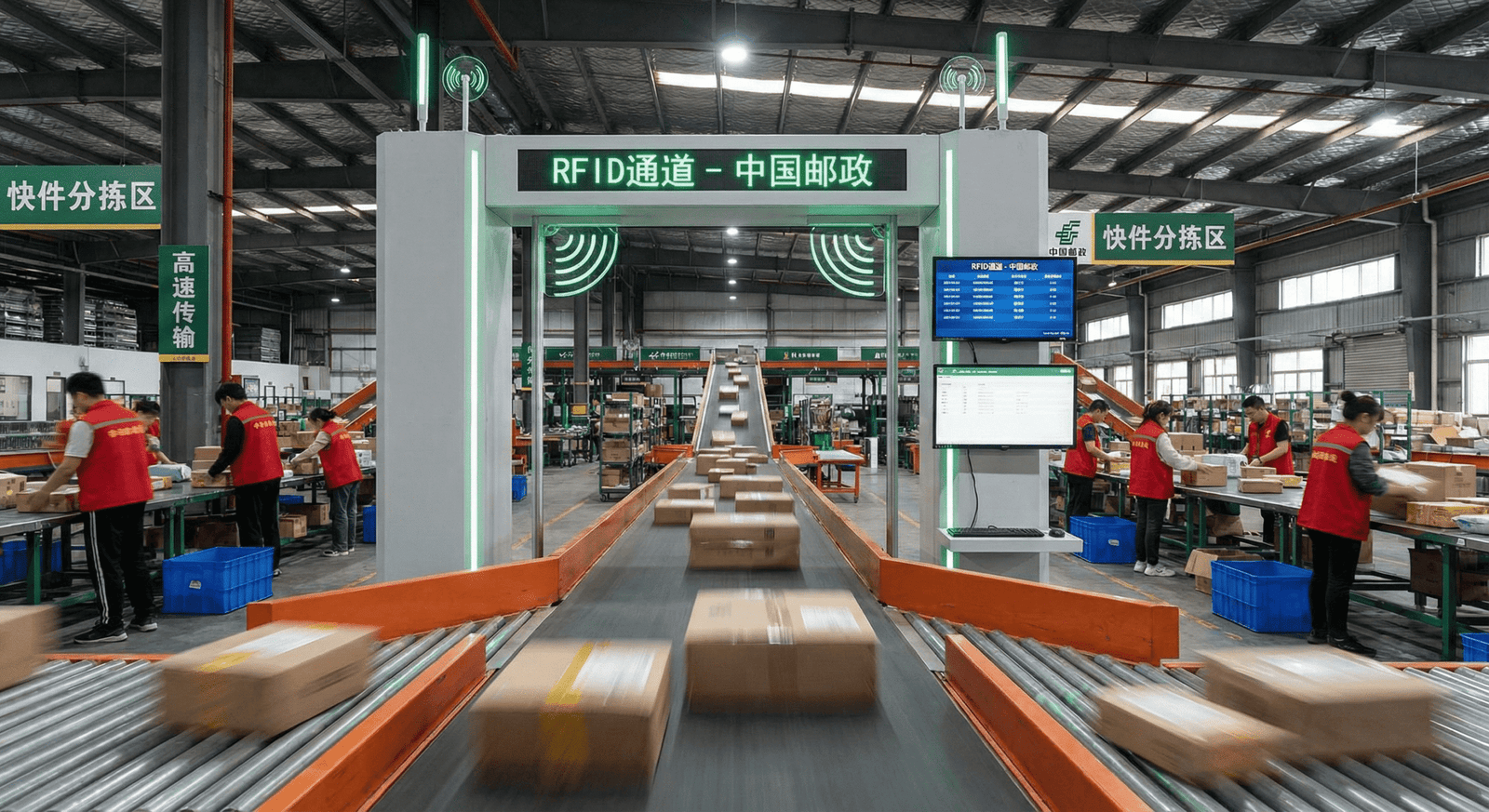
If you manage a facility handling over 10,000 items daily, relying on entry-level specs will cause your system to crash during peak hours.
Can Your Current Reader Handle the Speed of Modern Logistics?
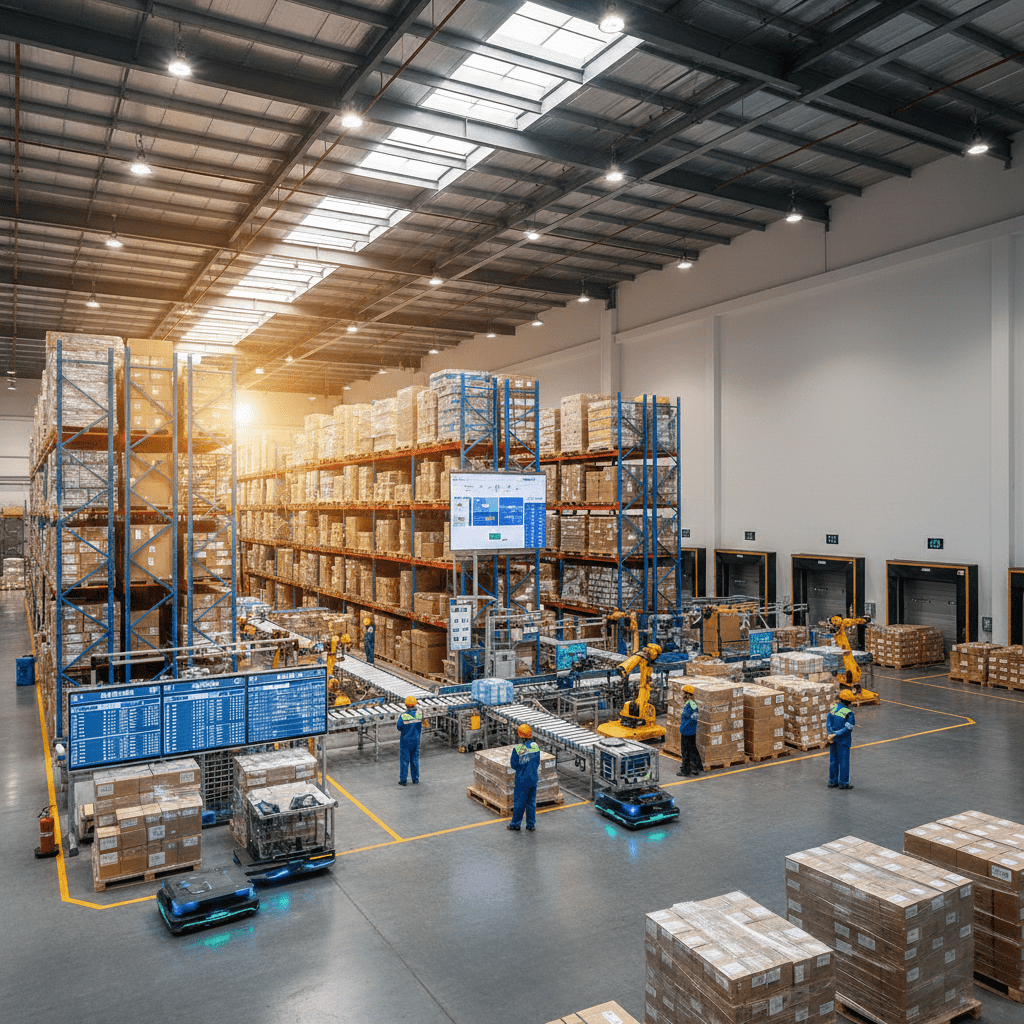
When thousands of items rush past a dock door, a cheap reader chokes on the data, creating a bottleneck that costs more than the hardware savings.
The difference between a consumer gadget and an industrial tool is the anti-collision algorithm. Professional Multi-port Fixed Readers can identify hundreds of dense tags simultaneously without missing a single SKU, a feat impossible for standard scanners.
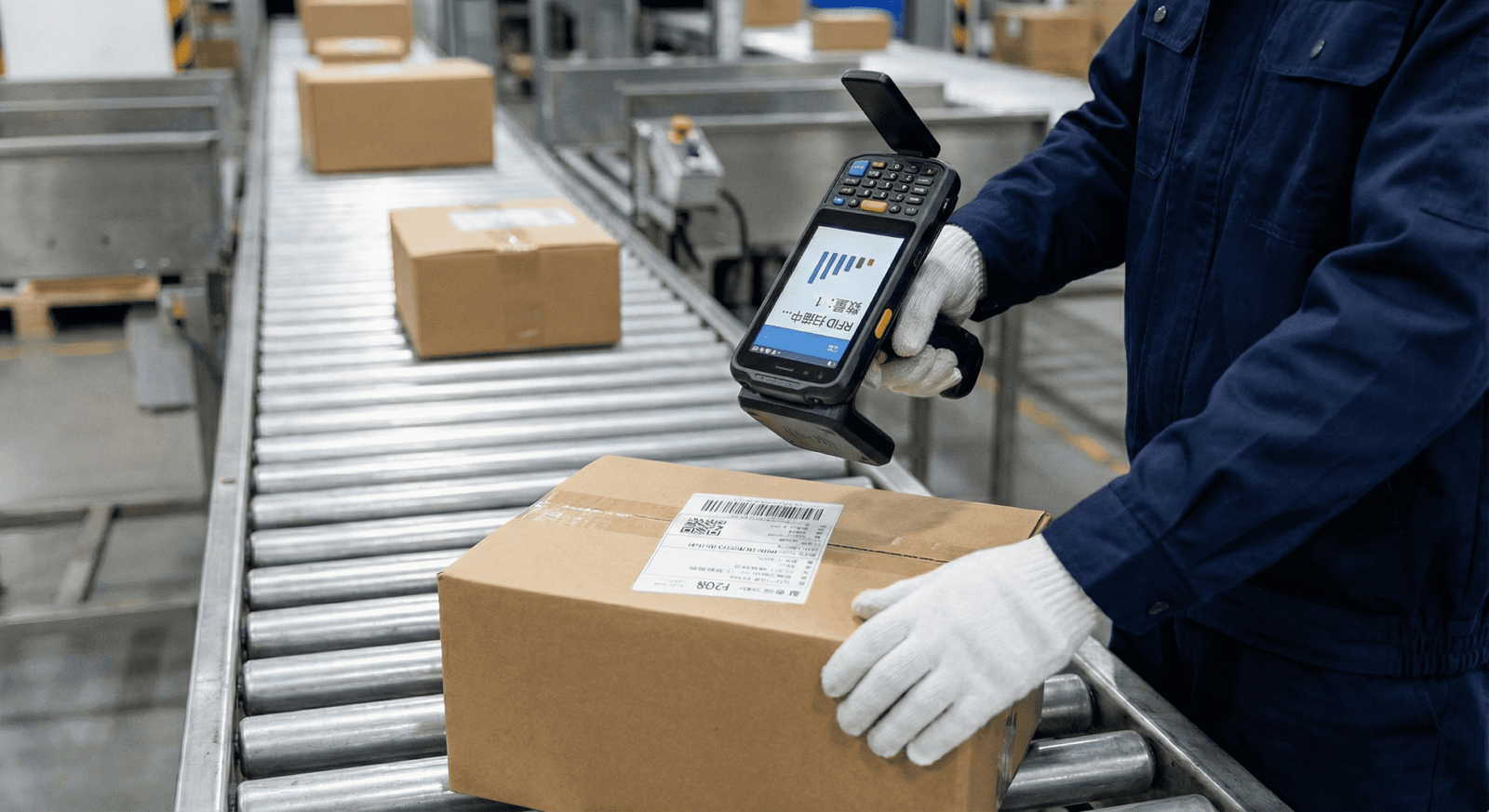
RFID industry is waking up. But here is the problem I see in my inbox every week: a client buys the cheapest reader they can find, mounts it on a high-speed conveyor belt, and then panics when accuracy drops to 80%.
In a B2B environment, you are not scanning one book at a library desk. You are dealing with "Anti-collision" scenarios. Imagine a pallet with 500 boxes of screws passing a gate in three seconds. The RFID User (the reader) must wake up all 500 tags, listen to their replies, silence the ones it has heard, and talk to the new ones, all within the blink of an eye.
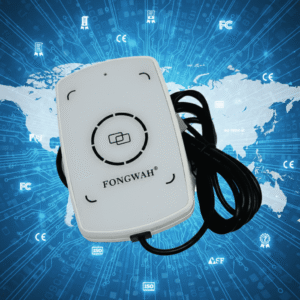
Generic readers lack the processing power (CPU) and the sophisticated algorithms to handle this "noise." They miss tags in the middle of the stack. This is why Industrial RFID Applications demand readers like our Fongwah fixed series. We design them specifically for integrators handling massive daily volumes. If your reader cannot process the "physical layer" data fast enough, your "digital layer" (your expensive ERP software) is fed garbage data.
| Feature | Entry-Level Reader | Industrial Fixed Reader |
|---|---|---|
| Max Tags/Second | 50 - 100 | 400 - 700+ |
| Anti-collision | Basic (Sequential) | Advanced (Dense Reader Mode) |
| Buffer Memory | Small (Data overflows) | Large (Stores data if net fails) |
| Use Case | Desktop / Retail | Warehouse Belt / Dock Door |
Do Metal Shelves and Liquid Goods Block Your Signal?
Warehouses are full of "RF enemies" like steel racks and liquid containers that reflect or absorb disjointed signals, leaving you with empty data fields.
Power is not the solution to interference; sensitivity is. High-performance UHF readers utilize superior Receive Sensitivity to detect the faint backscatter from tags hidden behind metal or water, ensuring 99.9% accuracy where cheaper devices see nothing.
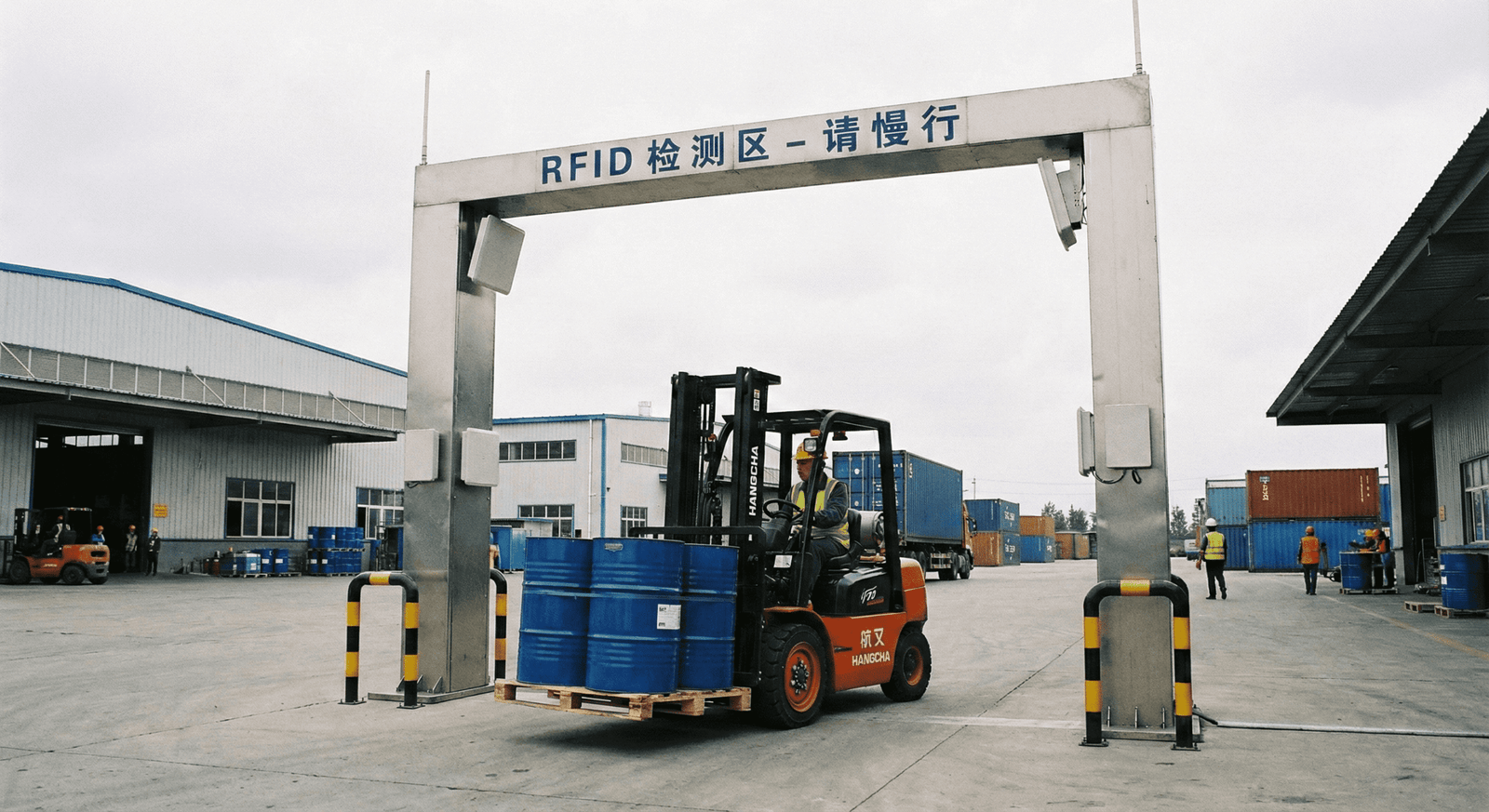
A common misconception I fight against daily is the "more power" myth. Clients tell me, "Jay, I bought a 33dBm reader, why can't it read through this pallet of water bottles?" The answer is physics. Water absorbs RF energy. Metal reflects it. If you just blast more power at a metal shelf, you create a room full of echoes (multipath interference). It confuses the reader.
The backbone of a successful system in these harsh environments is "Receive Sensitivity." This is the ability of the Long-range UHF RFID Reader to hear a whisper in a rock concert. High-end readers have radios capable of detecting signals as low as -85dBm. This allows them to pick up the weak reflection from a tag that is partially blocked by a metal strut or a liquid container.
Furthermore, you need Multi-port Fixed Readers. On a difficult dock door, one antenna is never enough. You need four antennas acting as eyes: top, bottom, left, and right. By hitting the "blind spots" from multiple angles, the reader reconstructs the full picture. A single-port toy cannot do this. You need a device that can drive four independent antennas without overheating or losing signal integrity.
| Interference Type | Effect on Signal | Solution |
|---|---|---|
| Metal | Reflections / Detuning | Circular Polarization + High Sensitivity |
| Liquid | Absorption | Multi-angle Antennas (4-Port Reader) |
| Human Body | Blocking | Overhead Antenna Placement |
| Electronic Noise | Data Corruption | Digital Filtering (DSP) |
How Easily Can You Move Data from the Dock Door to Your ERP?
Collecting data is useless if it stays trapped in the hardware; the real value comes from moving that data instantly into your management software.
Modern RFID infrastructure is an IoT game. You need readers with open APIs and robust SDKs that allow seamless integration with systems like SAP or Oracle, turning raw tag reads into actionable business intelligence immediately.
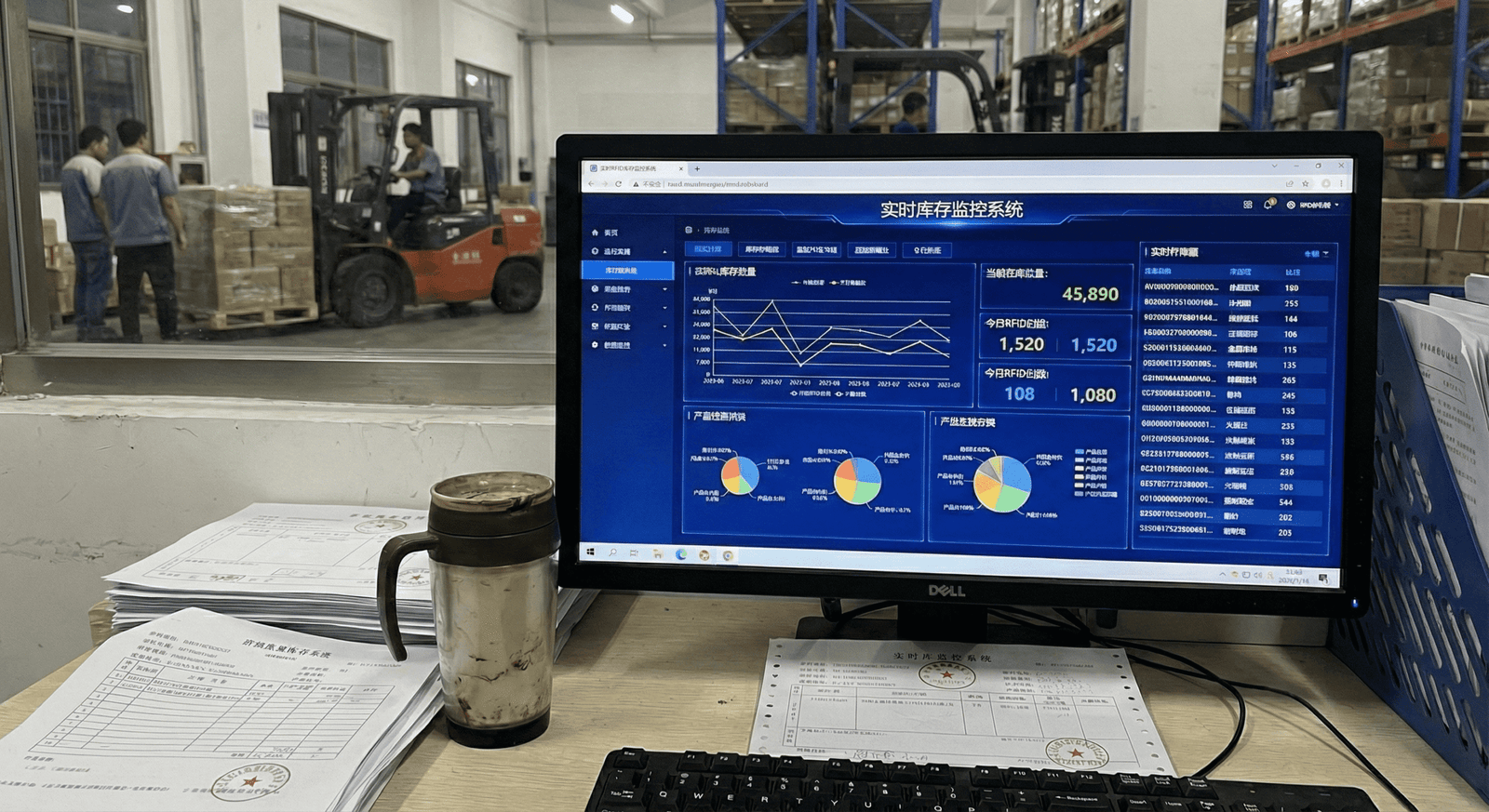
This is the final hurdle where most projects stumble. You have the right tags and the right antennas, but your IT guy is pulling his hair out. Why? Because the reader acts like a "black hole." It reads the tags but has no easy way to send that information to your Warehouse Management System (WMS).
In the past, you needed complex "Middleware" servers to translate reader language into computer language. Today, high-performance readers are essentially IoT edge devices. At Fongwah, we prioritize the "Software" side of the hardware. We provide direct APIs.
This means your Industrial RFID Applications can speak directly to your network. When a pallet passes the reader, the device does not just beep. It filters the data (ignoring stray reads), formats it (Converting Hex to ASCII), and sends a clean JSON or XML packet via Ethernet or Wi-Fi to your cloud. This capability is what we mean by "Intelligent Logistics." You are not just buying a radio; you are buying a data entry robot. If your reader does not support standard protocols like MQTT or TCP/IP client modes smoothly, you will spend your entire budget on custom coding instead of growing your business.
| Data Flow Stage | Traditional Reader | Smart IoT Reader |
|---|---|---|
| Data Output | Raw Hex Stream | Filtered/Formatted Data |
| Connectivity | Serial / USB | Ethernet / Wi-Fi / 4G |
| Integration | Requires Middleware PC | Direct to Server/Cloud |
| Speed to Live | Weeks of Coding | Days of Config |
Frequently Asked Questions
Q: Can a standard RFID reader handle the speed of modern logistics conveyors?
A: Generic readers often choke on high-speed conveyors due to a lack of processing power. Professional Multi-port Fixed Readers use advanced anti-collision algorithms to process the "noise" and identify hundreds of dense tags simultaneously without missing a single SKU.
Q: Do metal shelves and liquid goods block UHF RFID signals?
A: Yes, metal reflects RF energy and liquid absorbs it. The solution is high Receive Sensitivity, not just broadcasting more power (which causes multipath interference). High-performance UHF readers use multi-port setups to detect faint backscatter from tags hidden in harsh environments, ensuring 99.9% accuracy.
Q: How easily can you move data from the RFID reader to an ERP or WMS?
A: Modern high-performance RFID readers act as IoT edge devices. They feature open APIs and robust SDKs that filter, format, and send clean data packets (like JSON or XML) directly to your WMS or ERP via Ethernet or Wi-Fi, completely eliminating the need for complex middleware.
Conclusion
Stop looking at the price of the tag and start looking at the capability of the RFID Reader, because only industrial-grade hardware with high sensitivity and robust data integration can deliver the automated supply chain you were promised.
---