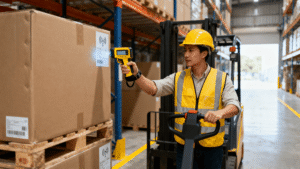
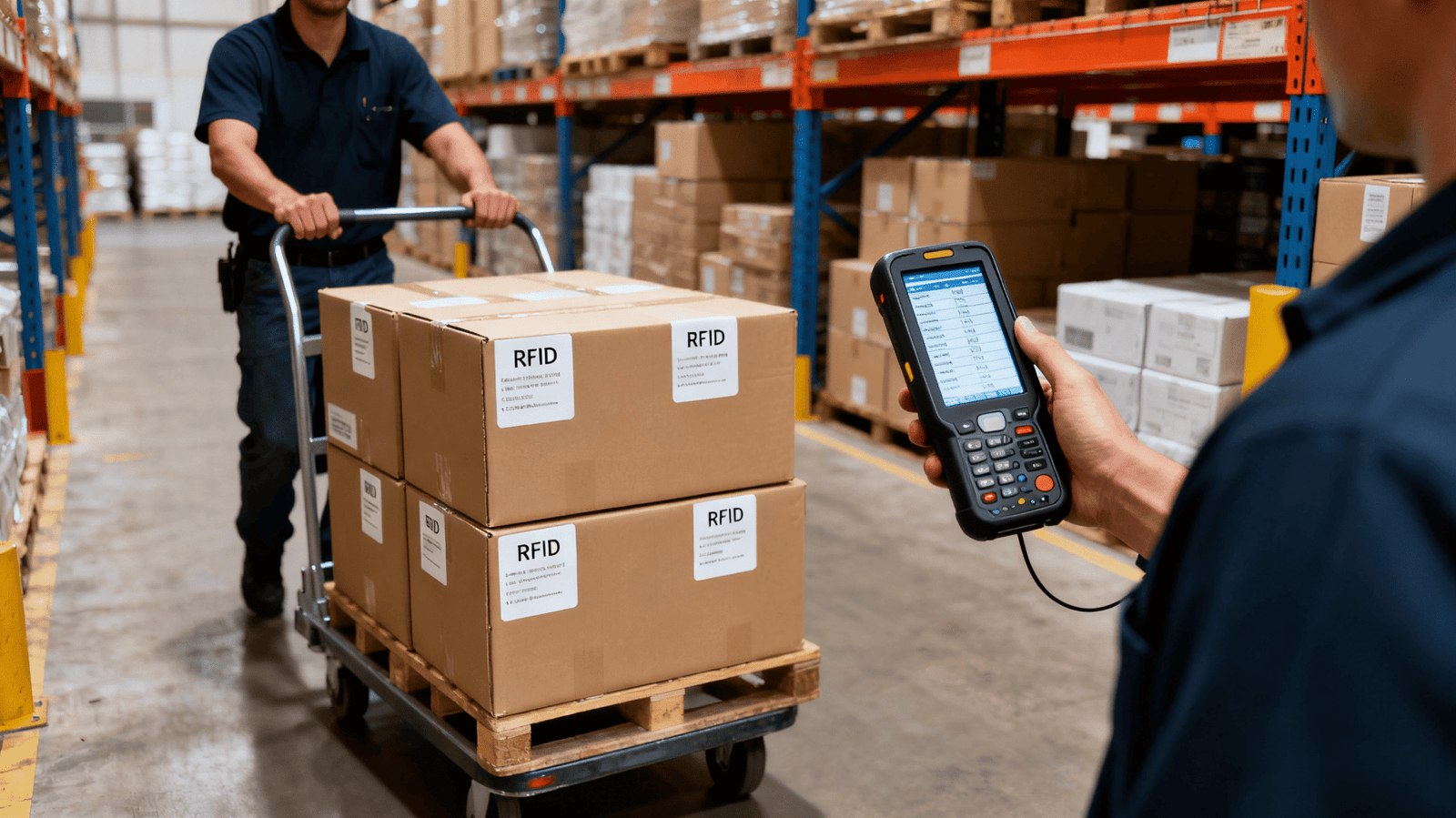
Tracking items manually is slow and full of errors. These mistakes cost you time and money. RFID technology1 provides an automated, accurate, and efficient solution to this old problem.
RFID, or Radio-Frequency Identification2, is a technology that uses radio waves to wirelessly identify and track tags attached to objects. It provides real-time data without needing a direct line of sight.
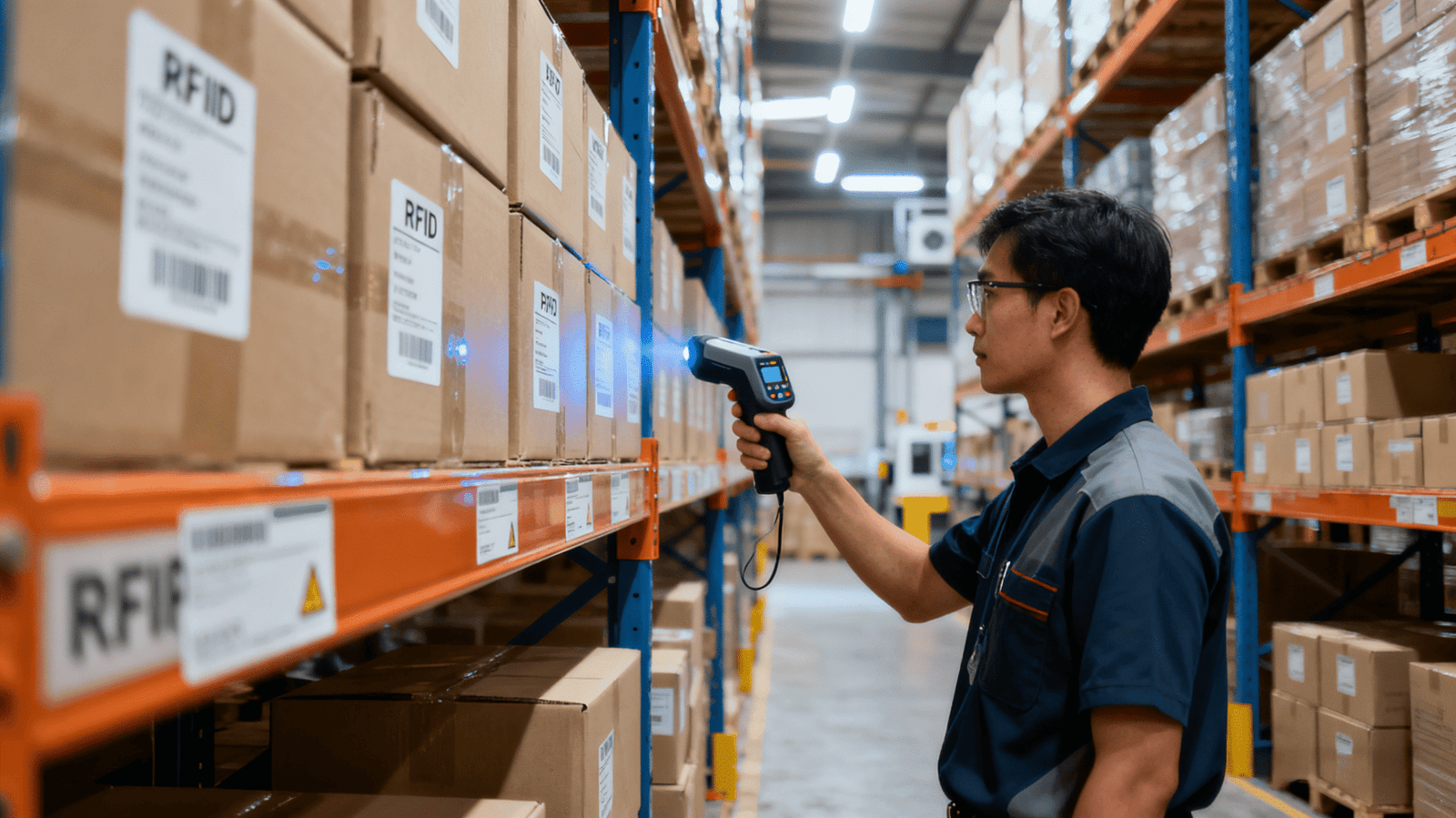
I have been in the RFID industry for 20 years, starting right on the factory floor at Fongwah. I've assembled tags, tested readers, and now I help customers across the globe implement this technology. I've seen firsthand how it transforms businesses from the ground up. This technology can seem complex, but my goal is to break it down for you. I want to share my experience so you can understand its power.
How Does an RFID System Actually Work?
You see RFID tags3 everywhere, but it's not clear how they communicate. Without understanding the basics, choosing the right system for your needs feels like a gamble. It is actually a simple three-part system.
An RFID system has three main components: a tag, a reader, and an antenna. The reader sends out a radio signal. The tag receives this signal and sends back its stored information.
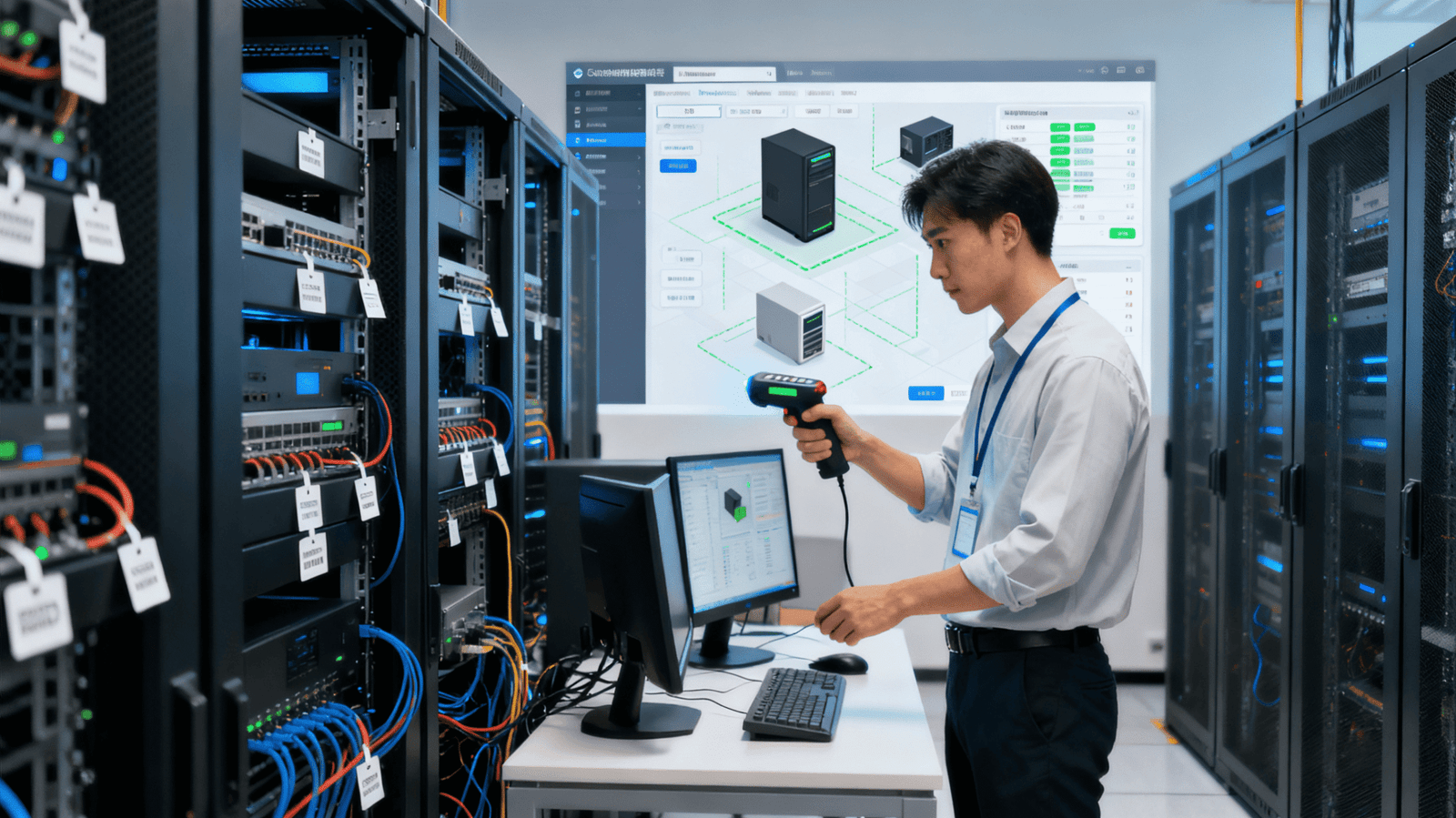
I've worked with these three parts for my entire career. On the production line, I learned that a tiny flaw in a tag's antenna makes it useless. As an engineer, I learned how a reader's power and frequency must match the application perfectly. It's a balanced system where each part is critical for success. Understanding how they work together is the first step to building a reliable solution.
The Core Components
The system works like a conversation. The reader asks "Who's there?" and the tag answers "I'm item number 12345." This happens instantly and wirelessly.
Their Specific Roles
Each part has a distinct job. The tag is the data carrier, the reader is the brain, and the antenna is the bridge that connects them. The software then processes this information.
A Deeper Look into the System
Let's break down the role of each component. A strong system depends on how well these parts are chosen and configured for a specific environment. My time on the factory floor taught me that quality at the component level determines the success of the entire project.
| Component | Function | My Personal Take |
|---|---|---|
| RFID Tag | Stores data (like a unique ID) and has an antenna to communicate. It's the "ID card" for the object. | I've seen millions of these. A good tag is durable and reliable for its specific environment, whether it's on a metal container or a delicate piece of clothing. |
| RFID Reader | Sends and receives radio signals to communicate with tags. It's the "scanner" that reads the ID card. | Choosing the right reader is crucial. Some need to read one tag at a time, while others must read hundreds per second from far away. Power and sensitivity matter. |
| Software | Processes the data from the reader. It turns raw tag IDs into useful information, like "Item 12345 has left the warehouse." | This is where the magic happens for the business. Good software gives you the reports and alerts you need to make smart decisions based on the RFID data. |
What Kinds of RFID Tags Are There?
You need an RFID solution, but the number of tag options is overwhelming. If you choose the wrong type, your project will fail, and your investment will be wasted. Tags are mainly defined by their operating frequency.
RFID technology1 is mainly categorized by frequency: Low Frequency (LF), High Frequency (HF), and Ultra-High Frequency (UHF). Each frequency has different characteristics, making it suitable for different jobs.
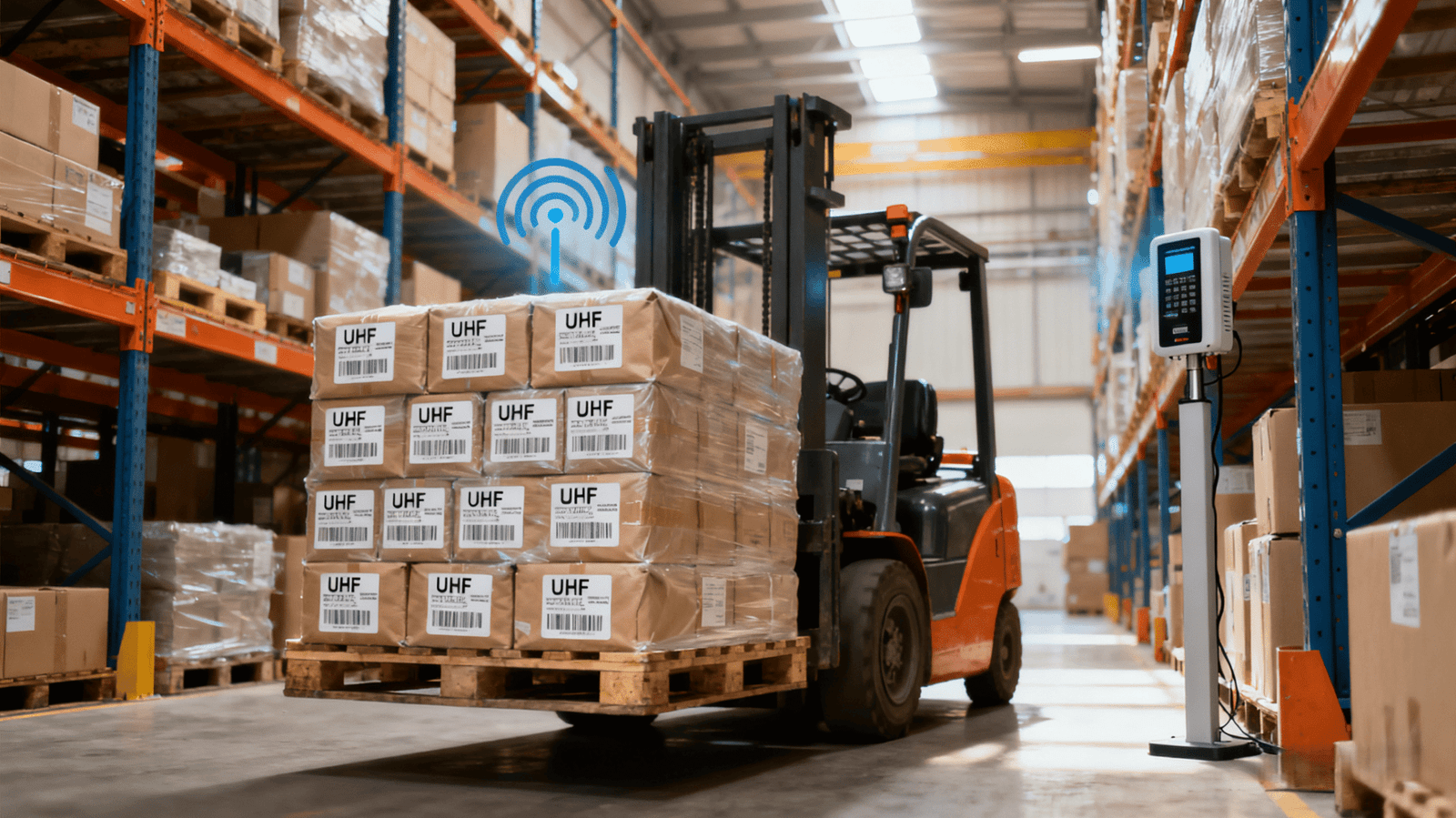
Early in my career, I worked on a project for a client who wanted to track metal kegs. They initially tried using standard UHF tags, but the system performance was terrible. Metal and liquids are very challenging for UHF signals. We worked with them to switch to specialized on-metal LF tags. The read rates immediately jumped to nearly 100%. This experience taught me a vital lesson. The physical environment is just as important as the technology itself. You must match the RFID frequency4 to the application to get good results.
Low Frequency (LF) RFID
LF systems operate at 125-134 kHz. They have a short read range but are excellent in harsh environments.
High Frequency (HF) RFID
HF systems operate at 13.56 MHz. This is the technology behind NFC on your phone. It offers a medium read range and is good for item-level tagging.
Ultra-High Frequency (UHF) RFID
UHF systems operate at 860-960 MHz. They have the longest read range and can read many tags at once, making them ideal for inventory and logistics.
| Frequency | Read Range | Key Strengths | Common Applications |
|---|---|---|---|
| LF (Low Frequency) | Up to 10 cm | Works well near metal and liquids. Very secure. | Animal tracking, car key fobs, access control. |
| HF (High Frequency) | Up to 1 m | Good data transfer rates. Global standards (NFC). | Library books, payment cards, event ticketing. |
| UHF (Ultra-High Frequency) | Up to 12 m+ | Long read range. Fast, bulk reading of hundreds of tags. | Supply chain, warehouse inventory, race timing. |
Where Can You Use RFID Technology?
You know RFID is a powerful tool, but you are not sure how it can help your business. Your competitors might already be using it to improve their efficiency and get ahead. RFID is used everywhere, from retail stores to hospitals.
RFID is used in many industries to automate processes and improve data accuracy. Common uses include retail for inventory checks, logistics for tracking pallets, and access control for security.
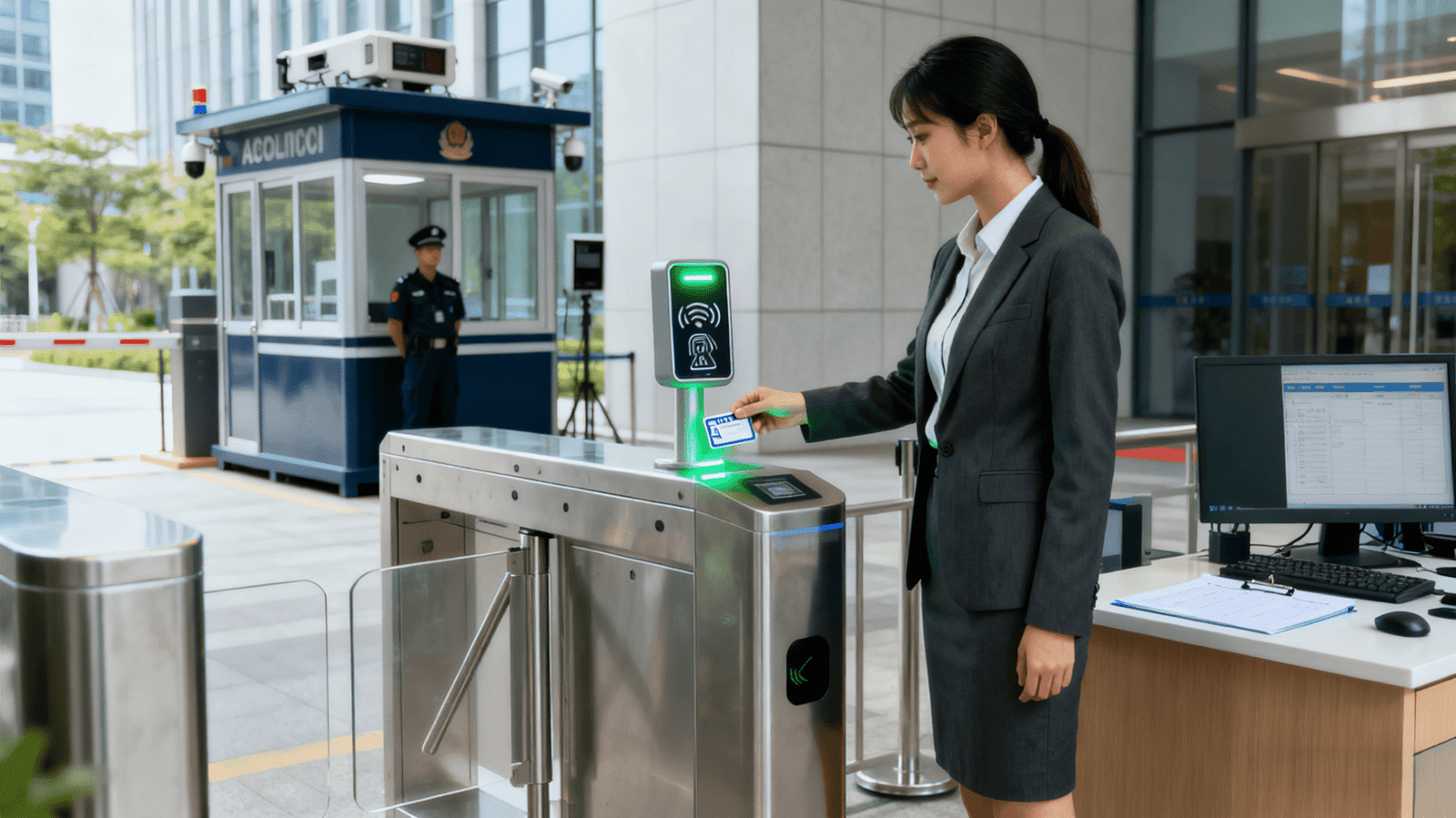
I once visited a client's large distribution center. They were losing thousands of dollars every month because of shipping errors. Workers were manually checking packing lists, and mistakes were common. We installed a UHF RFID portal at each of their loading dock doors. As pallets passed through, the system automatically verified the entire shipment was correct. Their shipping accuracy jumped to over 99.9% within a month. Seeing the relief on the warehouse manager’s face is why I love this work. It solves real, expensive problems.
Supply Chain and Logistics5
In logistics, RFID provides end-to-end visibility. It automates the tracking of goods from the factory to the store.
Retail Inventory Management6
Retailers use RFID to conduct inventory counts in minutes instead of days. This improves stock accuracy and reduces out-of-stocks.
Manufacturing and Asset Tracking7
In manufacturing, tags on parts and tools help automate production lines and manage valuable assets. It ensures the right part is in the right place at the right time.
| Application Area | Problem Solved | Typical RFID Type Used |
|---|---|---|
| Supply Chain | Inaccurate and slow tracking of goods. Manual data entry errors. | UHF is dominant here because of its long-range and bulk-reading capabilities for pallets and cases. |
| Retail | Inaccurate inventory, leading to lost sales. Time-consuming stock counts. | UHF for fast inventory counts. HF/NFC for interactive consumer experiences at the item level. |
| Access Control | Managing secure access to buildings and areas for many employees. | LF or HF cards are common. They are secure and reliable for short-range reads. |
| Asset Management | Losing or misplacing high-value equipment, tools, or IT assets. | UHF for large areas, HF or even active tags for critical, high-value assets that need real-time location. |
Conclusion
RFID is a powerful and versatile tool. It brings efficiency and visibility to your operations. Understanding the basics helps you select the right solution for your specific business needs.
---Explore how RFID technology can enhance efficiency and accuracy in various business operations. ↩
Learn about the mechanics of RFID and its applications in different industries. ↩
Discover the different types of RFID tags and their specific uses to choose the right one for your needs. ↩
Understand the different RFID frequency categories and their specific applications. ↩
Learn how RFID technology enhances visibility and efficiency in supply chain management. ↩
Discover how RFID can streamline inventory processes and reduce errors in retail. ↩
Understand how RFID technology can optimize manufacturing processes and asset management. ↩