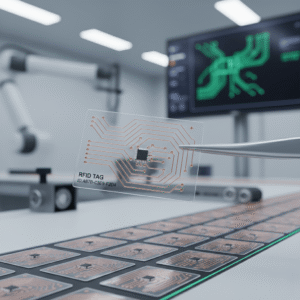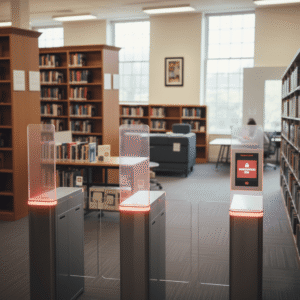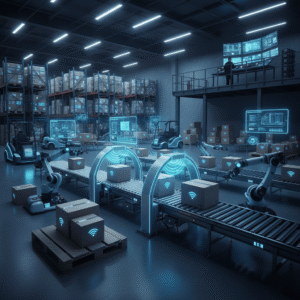

Losing track of inventory is costly. Manual counts are slow and full of errors. RFID1 automates this process, giving you fast and accurate data instantly.
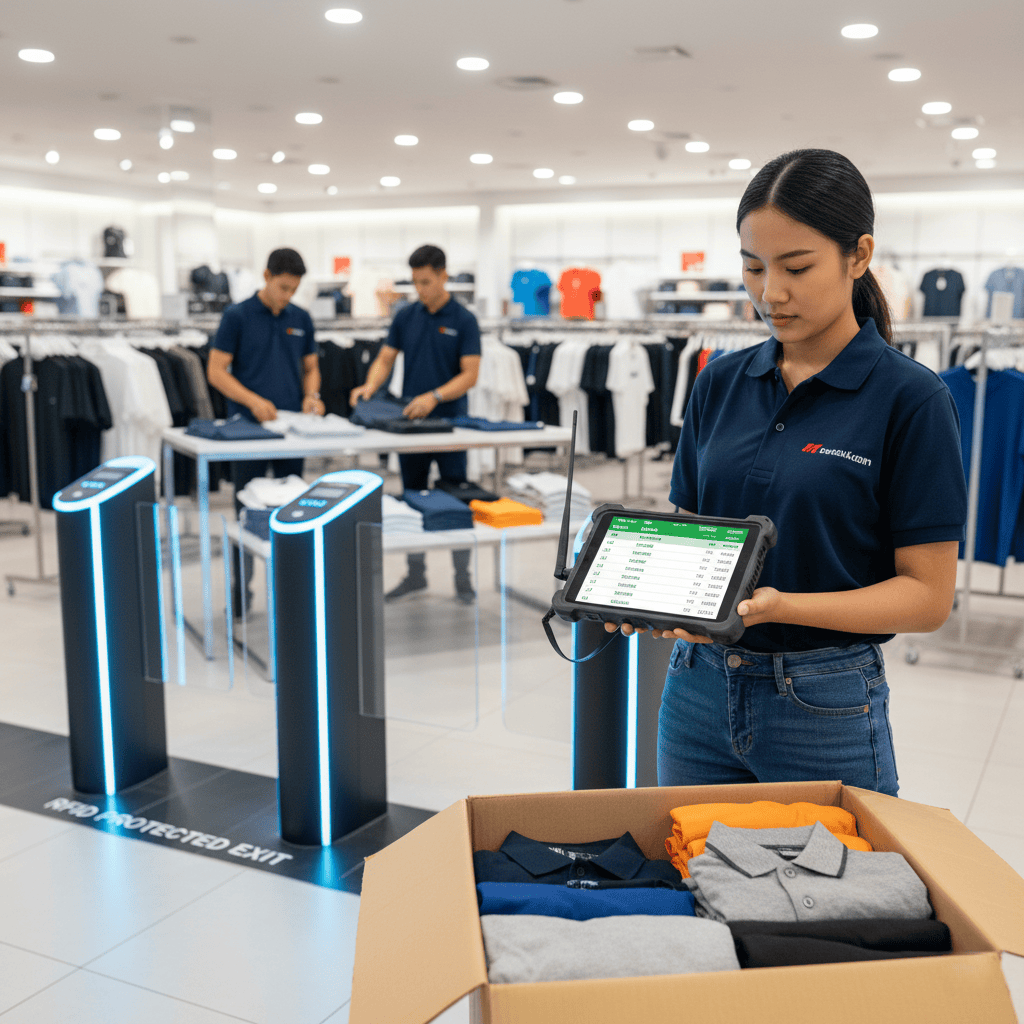
A common real-life example of RFID1 is in retail inventory management2. Stores use RFID1 tags on clothing. This lets them scan entire boxes of apparel quickly, tracking stock in real-time.
This retail example is just the beginning. The technology goes much deeper. I remember a time when a client in the automotive industry3 came to us. They were losing track of critical tools on their assembly line. The problem was not just the cost of the tools. It was about production downtime4. This is where we see the true power of RFID1 in professional settings. It's about solving complex operational challenges, not just counting t-shirts. As a buyer or specifier, you're not just buying a tag; you're buying a solution to a costly problem.
How does RFID1 improve manufacturing traceability5?
Production lines are complex. A missing part can cause major delays. RFID1 tags offer complete visibility, ensuring every component is tracked accurately, which is a huge relief for production managers.
RFID1 improves manufacturing traceability5 by attaching a tag to each product. Scanners at key points automatically read the tag's unique ID. This creates a digital record of the item's journey without manual work.
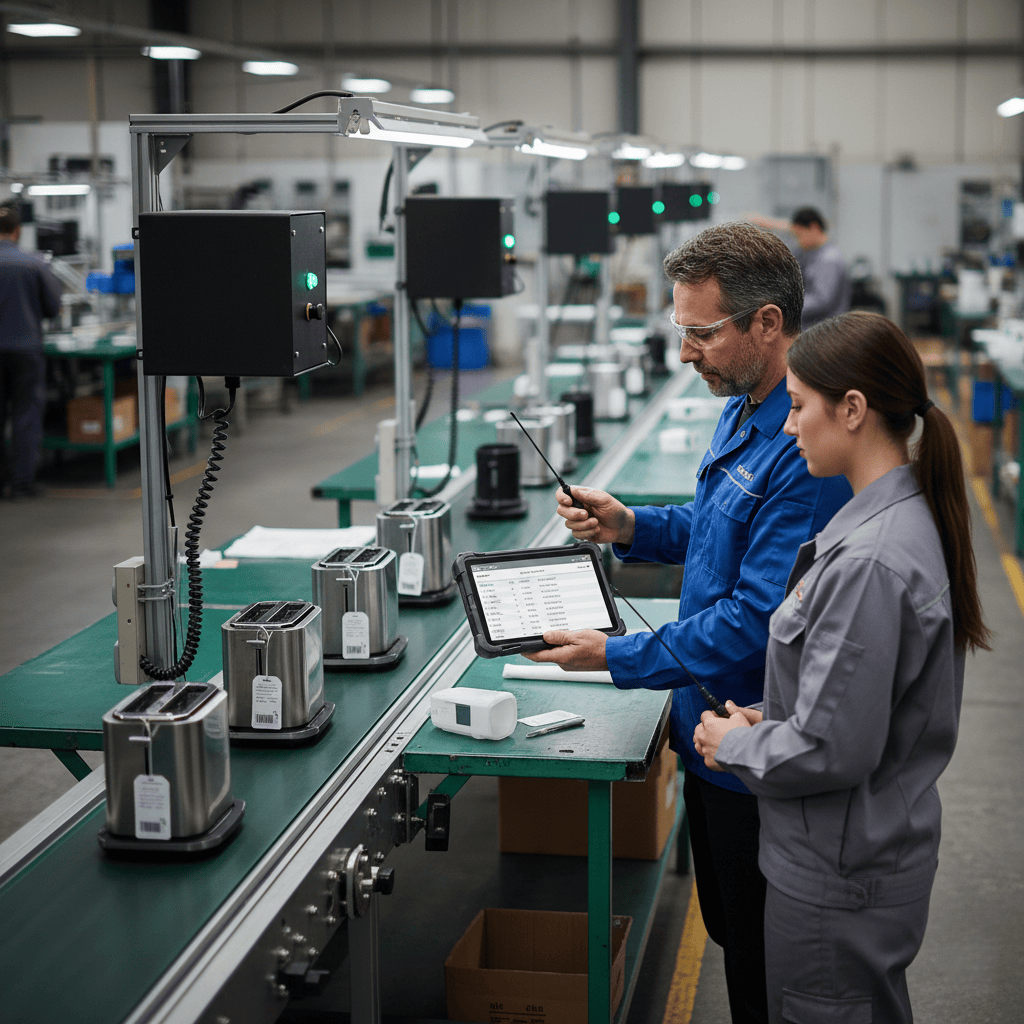
From my experience working with clients, successful traceability is about more than just slapping a tag on a part. It's about building a robust data system. I worked with a client who manufactured complex engine components. They faced quality control issues6 because they couldn't pinpoint exactly when and where a defect occurred. We designed a system where each component received a high-temperature RFID1 tag at the start of the line. This tag could survive the entire process, including heat treatment and chemical washes. Readers at each station recorded the part's arrival and departure. This data flowed directly into their Manufacturing Execution System (MES). If a part failed a quality check, they could instantly trace its entire history. They could see which machine it was on, who the operator was, and the exact time it was processed. This level of detail is a game-changer for process improvement and is a key selling point when you're trying to justify the investment.
Breaking Down the Traceability Process
| Process Stage | Key Function | RFID1 Advantage |
|---|---|---|
| 1. Tagging | Assign a unique digital identity to each part. | The identity is machine-readable and durable. |
| 2. Data Capture | Automatically record the part's location and status. | Hands-free, real-time data collection without errors. |
| 3. Integration | Feed live data into MES/ERP systems. | Provides actionable insights for quality and control. |
Can RFID1 really prevent asset loss7 in large facilities?
Losing expensive equipment is a major headache. Manually searching for items like medical devices8 or IT hardware wastes valuable time. RFID1 provides real-time location data, ending the frustrating search.
Yes, RFID1 effectively prevents asset loss7. By placing tags on valuable items and installing readers at chokepoints like doorways, you create a monitoring system. It triggers an alarm if an asset leaves without authorization.
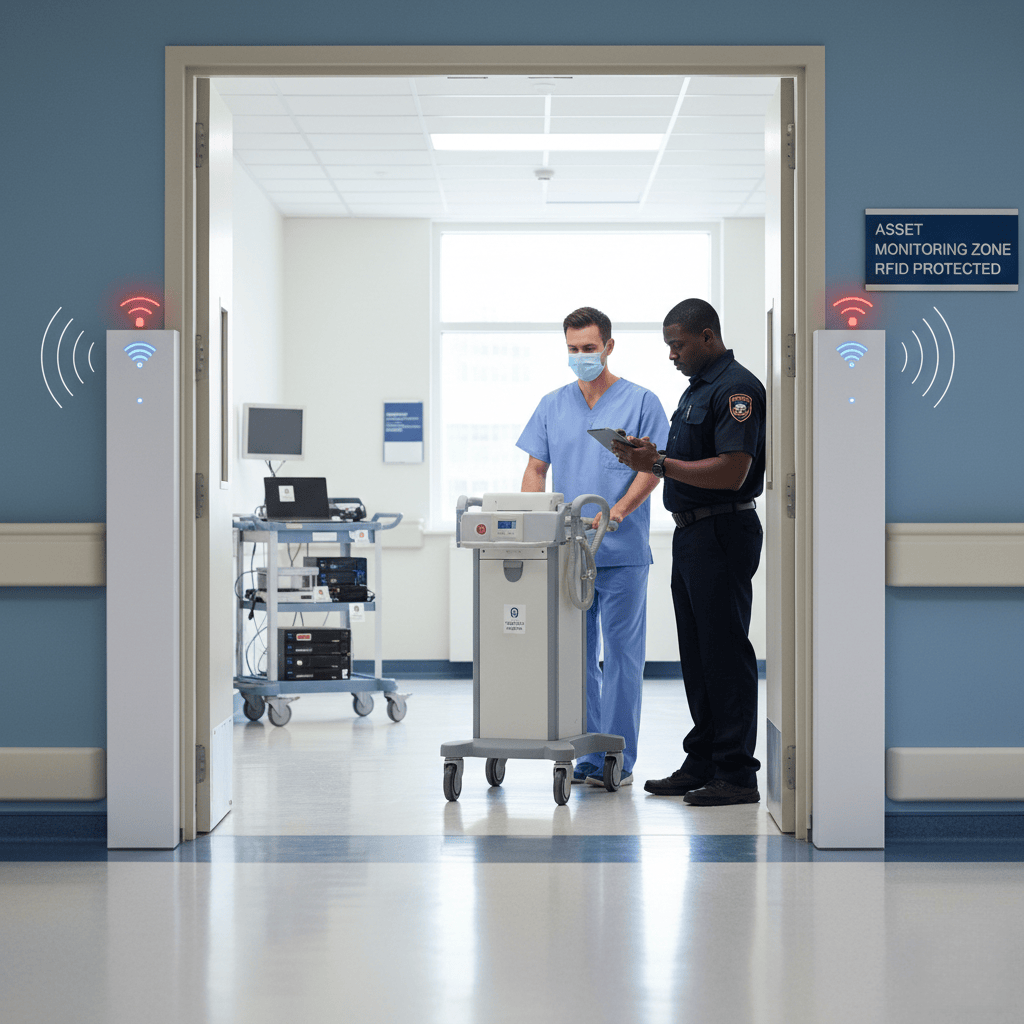
I remember a project with a large hospital. They were constantly losing infusion pumps. These pumps would get moved between floors, stored in random closets, or even accidentally thrown out with linens. The cost of replacement was high, but the bigger issue was that nurses wasted hours searching for pumps when a patient needed one. This directly impacted patient care. From a buyer's perspective, the solution had to be reliable and easy to use. We implemented a system with active RFID1 tags on each pump. These tags broadcast their location every few minutes. We installed fixed readers in key areas like hallways and exits. We also gave each department a handheld reader for quick spot-checks. The system immediately paid for itself. Not only did they stop losing pumps, but they also improved asset utilization. The software showed them which pumps were in use and which were available, so they could manage their inventory much better.
Designing an Effective Asset Tracking System
| Reader Type | Use Case | Coverage |
|---|---|---|
| Fixed/Portal | Monitor chokepoints like doors, elevators, and hallways. | Continuous, automated zone-level tracking. |
| Handheld | Pinpoint a specific asset's location or conduct inventory. | On-demand, room-level accuracy. |
| Vehicle-Mounted | Track assets across a large outdoor yard or campus. | Mobile coverage for large-scale areas. |
How is RFID1 revolutionizing logistics and supply chains9?
Supply chains often feel like a black box. Manual checks at every stop slow things down and introduce errors. RFID1 offers total transparency, automating logistics from the warehouse to the final delivery.
RFID1 revolutionizes logistics by replacing manual barcode scanning. Pallets and containers can be read instantly as they pass through dock doors. This accelerates loading, eliminates errors, and provides real-time tracking data10.
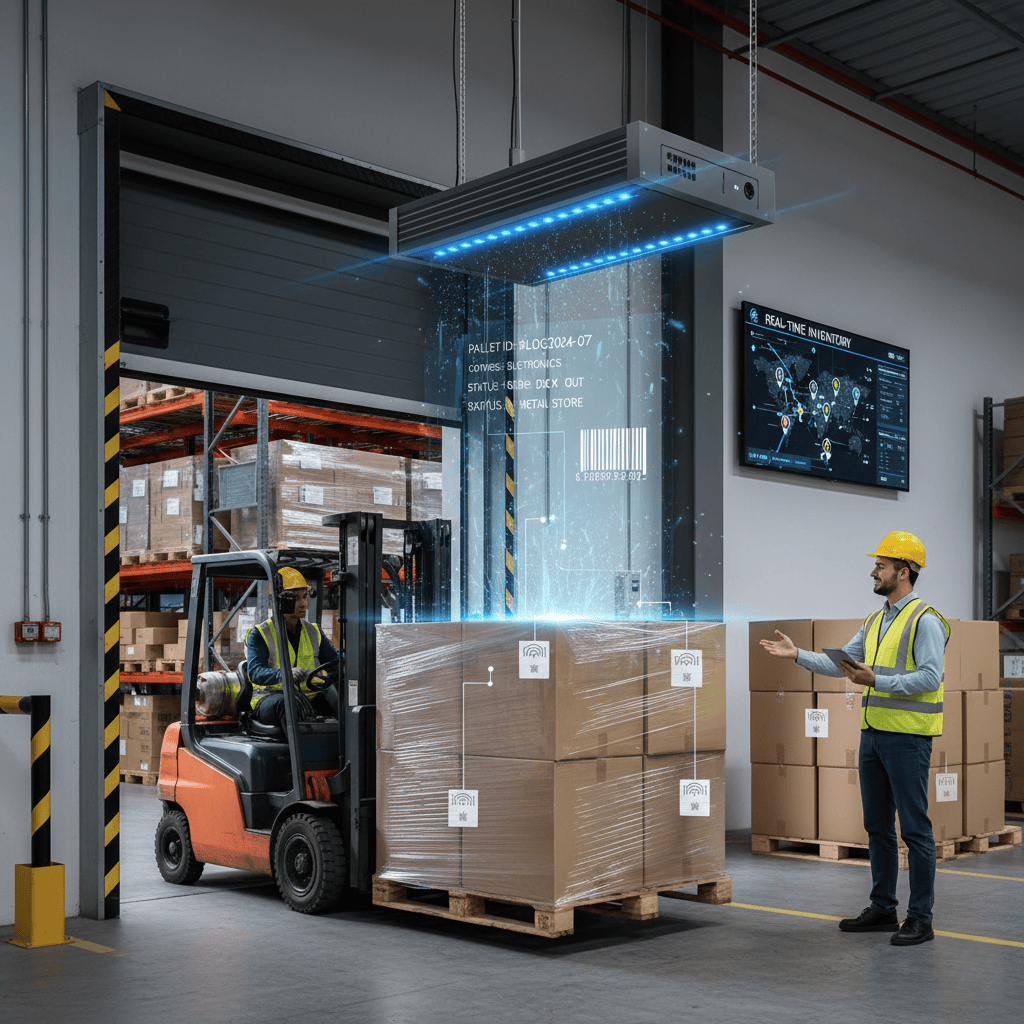
It's not just about what happens inside one company's walls. The real revolution is the shared visibility across the entire supply chain. A few years ago, I helped a third-party logistics (3PL) provider. Their customers were demanding more transparency. They were still relying on printing manifests and having workers scan barcodes on every single box. It was slow and mistakes were common. We helped them implement an RFID1 portal at every dock door. Now, when a truck arrives, the entire pallet is scanned in seconds as it's unloaded. The system automatically verifies the shipment against the advance shipping notice (ASN). This single step eliminated hours of manual labor per day. More importantly, this data is shared. The manufacturer gets a real-time notification that their goods have been received. The end retailer can see that their inventory is on its way. This creates a seamless "digital thread11" that connects everyone. For a buyer in logistics, this level of automation and data accuracy12 is no longer a luxury; it's a competitive necessity.
The Data Ecosystem: Beyond the Scan
| Feature | Barcode | RFID1 |
|---|---|---|
| Read Speed | One scan at a time, line-of-sight. | Hundreds of tags per second, no line-of-sight needed. |
| Data Capacity | Limited to a simple product identifier. | Stores unique serial numbers, lot data, and more. |
| Automation | Labor-intensive manual scanning. | Fully automated, hands-free data capture13 at portals. |
| Durability | Easily damaged by dirt or moisture. | Encapsulated tags are very durable and reusable. |
| Supply Chain Impact | Creates data silos at each scan point. | Enables a shared, real-time view of inventory movement. |
Conclusion
RFID1 is a versatile tool that solves real problems in manufacturing, asset management, and logistics by delivering crucial data exactly when you need it.
---Explore how RFID technology enhances inventory management efficiency and accuracy. ↩
Learn about the advantages of RFID in streamlining retail inventory processes. ↩
Discover how RFID technology is transforming operations in the automotive sector. ↩
Find out how RFID can minimize production delays and improve efficiency. ↩
Understand the importance of traceability in manufacturing and RFID's role in enhancing it. ↩
Learn how RFID technology can enhance quality control and traceability. ↩
Discover the effectiveness of RFID in minimizing asset loss and improving tracking. ↩
Explore how RFID technology enhances the management of medical equipment. ↩
Learn about the transformative impact of RFID on logistics and supply chain efficiency. ↩
Understand the significance of real-time tracking in improving logistics operations. ↩
Explore the concept of a digital thread and its importance in supply chain transparency. ↩
Learn about the critical role of data accuracy in optimizing logistics operations. ↩
Discover how hands-free data capture improves efficiency and reduces errors. ↩