
Many enterprises hesitate to adopt Radio Frequency Identification (RFID). They fear high upfront costs. This fear is a barrier to modernization. Do you know the real financial picture?
Total Cost of Ownership (TCO) is not just the price of tags. It focuses on the sum of all costs over the system's life. A successful RFID deployment typically achieves full Return on Investment (ROI) within 18 to 36 months. This makes it a smart B2B financial decision.
I remember when I was a production line operator. We thought new scanners were too expensive. We stuck to old methods. This slowed us down. Now, as a Marketing Manager at Fongwah, I see the whole picture. The initial price tag is a myth. It stops you from seeing the long-term value. We need to dissect the costs properly. Professional financial analysis separates costs into Capital Expenditure (CapEx) and Operational Expenditure (OpEx). If you underestimate OpEx, you will fail. Let us break this down together so you can make a clear decision.
What Constitutes the Real Capital Expenditure (CapEx) in RFID?
Mistaking initial hardware costs for total project costs is dangerous. Your budget might fail if you ignore the supporting infrastructure. Are you tracking every component?
Capital Expenditure (CapEx) covers the one-time investments needed to launch the project. This is usually about 30% of the TCO. It includes hardware, base software, and infrastructure upgrades. You must calculate unit costs and depreciation to understand the true value of this initial spend.
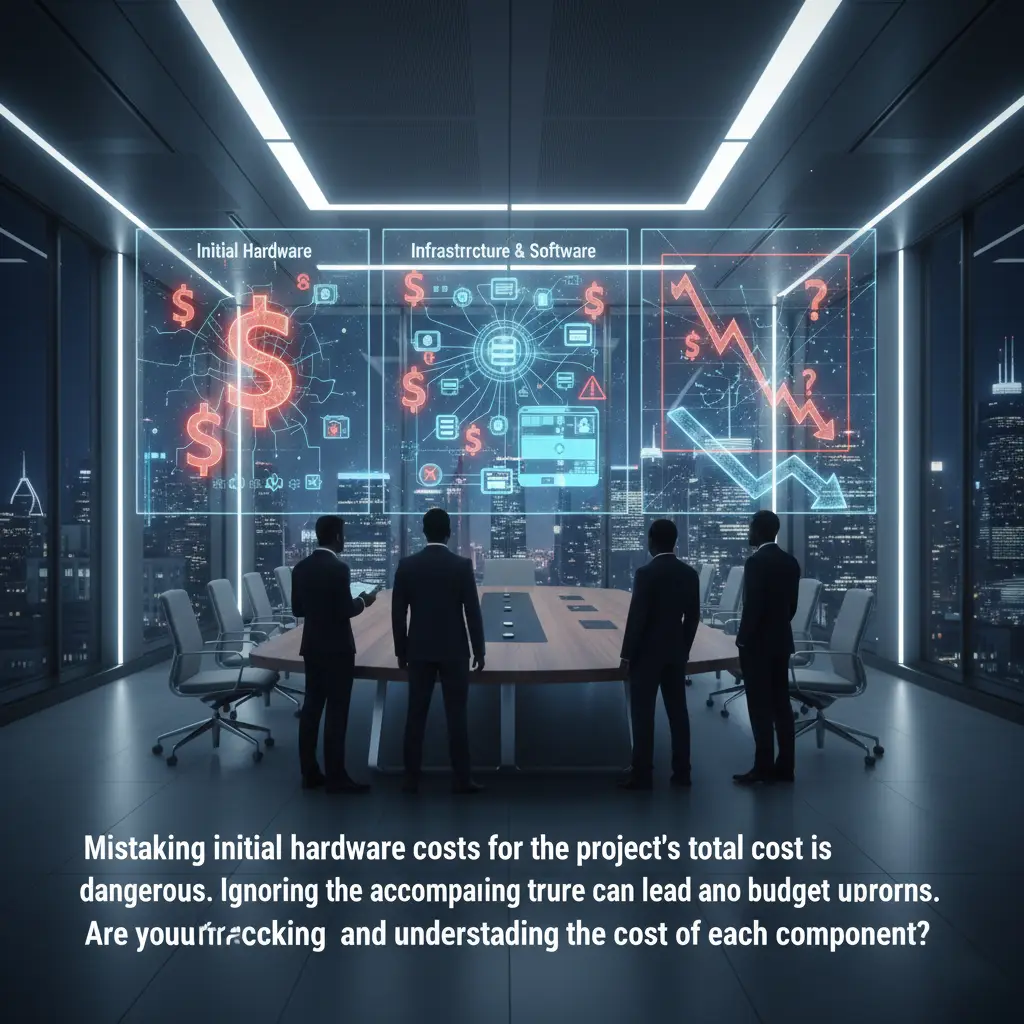
We need to look deeper into CapEx. It is the barrier to entry for most companies. In my 5 years in the RFID industry, I have seen clients focus only on the reader price. This is wrong. You must view CapEx as three distinct pillars.
First, look at Hardware Procurement. This includes passive or active tags, fixed readers, handheld readers, and antennas. Cabling is also vital. At Fongwah, we advise clients to use economies of scale. When you order tags and readers in bulk, the unit cost drops significantly. This is a quick win for your budget.
Second is Base Software & Licensing. You cannot run hardware without software. You need core middleware. This software processes the data from the tags. You also need database licenses. You must decide on the licensing model. Do you pay for a perpetual license upfront? Or do you pay a subscription fee? This choice changes your long-term cash flow.
Third is Infrastructure & IT. This is the hidden trap. Do your servers have enough storage? Do you need new network ports? You might need to upgrade power supplies. You must also harden security. You should establish the expected useful life of these assets. This helps you calculate depreciation.
CapEx Component Analysis
| Component | Detailed Breakdown | Financial Strategy |
|---|---|---|
| Hardware | Tags, Readers, Antennas, Cables | Buy in bulk to lower unit price. |
| Software | Middleware, Database, Drivers | Compare perpetual vs. subscription costs. |
| Infrastructure | Server upgrades, Network ports, Power | Calculate IT asset depreciation early. |
Use this structure to plan your initial spend. It prevents surprise bills during installation.
Why Is Operational Expenditure (OpEx) Often Underestimated?
Buying the system is easy, but running it costs money. Do you have a plan for maintenance and consumables? Ignoring this leads to budget failure.
Operational Expenditure (OpEx) typically accounts for the majority of the total cost over time. It includes recurring costs like software maintenance, staff training, and tag replenishment. Proper OpEx management ensures the system remains efficient and profitable throughout its entire lifecycle.
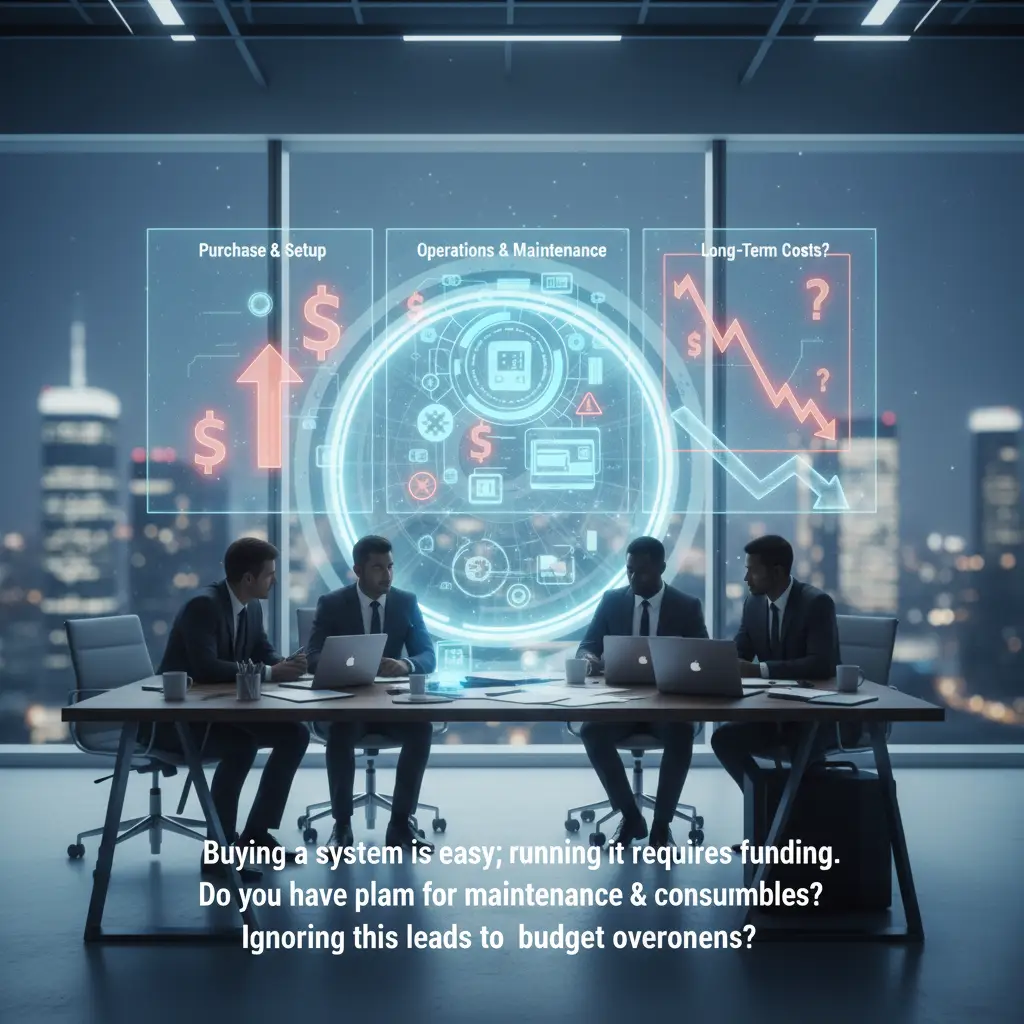
We must shift our focus to the long term. OpEx is where the real cost lives. It often makes up 70% of the TCO over five years. I learned this when I became a team supervisor. New tech is useless if the team cannot use it.
Staff Training is critical. You must teach your team how to use the devices. They need to know how to hold a Fongwah handheld reader correctly. If they hold it wrong, read rates drop. This causes errors. Errors cost money. You also need to train them on the software. This is not a one-time cost. Staff turnover happens. You need a budget for ongoing training.
Maintenance and Support are also key. Hardware breaks. Software needs updates. You need an annual service contract. This ensures you get help when things go wrong. In Industry 4.0, security is huge. You need regular security patches. If you skip this, you risk data breaches.
Consumables are the final piece. If you use passive tags on shipping boxes, they leave your facility. You never get them back. You need to buy more constantly. This is a variable cost. It scales with your production volume. You must forecast this accurately.
Operational Cost Drivers
| Variable | Description | Impact on TCO |
|---|---|---|
| Training | Initial and ongoing staff education | Reduces operational errors and hardware damage. |
| Maintenance | Software updates and hardware repairs | Prevents costly downtime and security risks. |
| replenishment | Buying new tags for shipped items | A recurring cost that grows with business volume. |
If you plan for these, your system runs smoothly. If you ignore them, your ROI disappears.
How Does RFID Deliver a Positive ROI within 36 Months?
You spend money to make money. But are you measuring the speed and accuracy gains correctly? Vague estimates kill project approval.
ROI comes from hard savings like labor reduction and soft savings like improved data accuracy. To calculate it, subtract TCO from total savings. High-quality RFID systems typically deliver a positive ROI within 18 to 36 months by eliminating manual counting errors and speeding up processes.

Now we look at the prize. Why do we spend this money? The answer is value. In my career from engineer to manager, I have seen RFID transform businesses. The goal is to reach full ROI in 18 to 36 months.
Labor Efficiency is the biggest driver. Manual inventory counts take days. With RFID, they take minutes. This is a huge hard saving. You reduce labor hours directly. Your staff can do more valuable work. They stop counting and start analyzing.
Inventory Accuracy is the second driver. Human error is common. Manual counts are often only 80% accurate. RFID pushes this to 99% or higher. This prevents stockouts. It also prevents overstocking. You do not tie up cash in products you do not need.
Asset Utilization is the third driver. Where are your forklifts? Where are your expensive tools? RFID tracks them in real-time. You lose fewer items. You buy fewer replacements. This extends the life of your existing assets.
ROI Value Drivers in Industry 4.0
| Driver | Traditional Method | RFID Method | Financial Benefit |
|---|---|---|---|
| Speed | Days for inventory | Minutes for inventory | Massive reduction in labor costs. |
| Accuracy | 80-90% reliability | 99%+ reliability | optimized stock levels and cash flow. |
| Loss Prevention | Manual logging | Real-time tracking | Reduced theft and misplaced assets. |
When you combine these savings, the initial CapEx looks small. The system pays for itself.
Conclusion
Your enterprise deserves a transparent, predictable investment plan. Click below or contact our RFID Financial Analysis Team today to receive a free, customized TCO Risk Analysis Report tailored to your specific industry and deployment scale. Let us show you how our SLA guarantees the lowest long-term OpEx for your project.
---