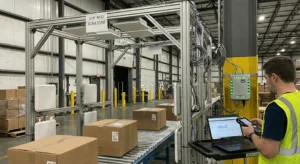
Confused by RFID technology1? This complexity can stop your project. Let me show you how it's actually quite simple and effective.
RFID tags2 work using radio waves. A reader sends a signal to the tag. The tag uses this energy to transmit its unique data back to the reader. This process happens without any physical contact.
I remember talking to a system integrator, a client of ours named Gilles. He knew the basics of RFID but needed to understand the components to design a robust system. The first step for him was learning that not all tags are the same. This is a critical choice for any project. You must select the right components to build a stable system. The foundation of this selection is understanding the different types of RFID tags2 available.
Choosing the wrong tag can kill your project's performance. You might face constant read errors. Here are the main types to ensure you pick the right one.
There are two main types: active and passive. Active tags have their own battery and a long read range. Passive tags are powered by the reader's signal and have a shorter range. A third type, Battery-Assisted Passive (BAP), is a hybrid.
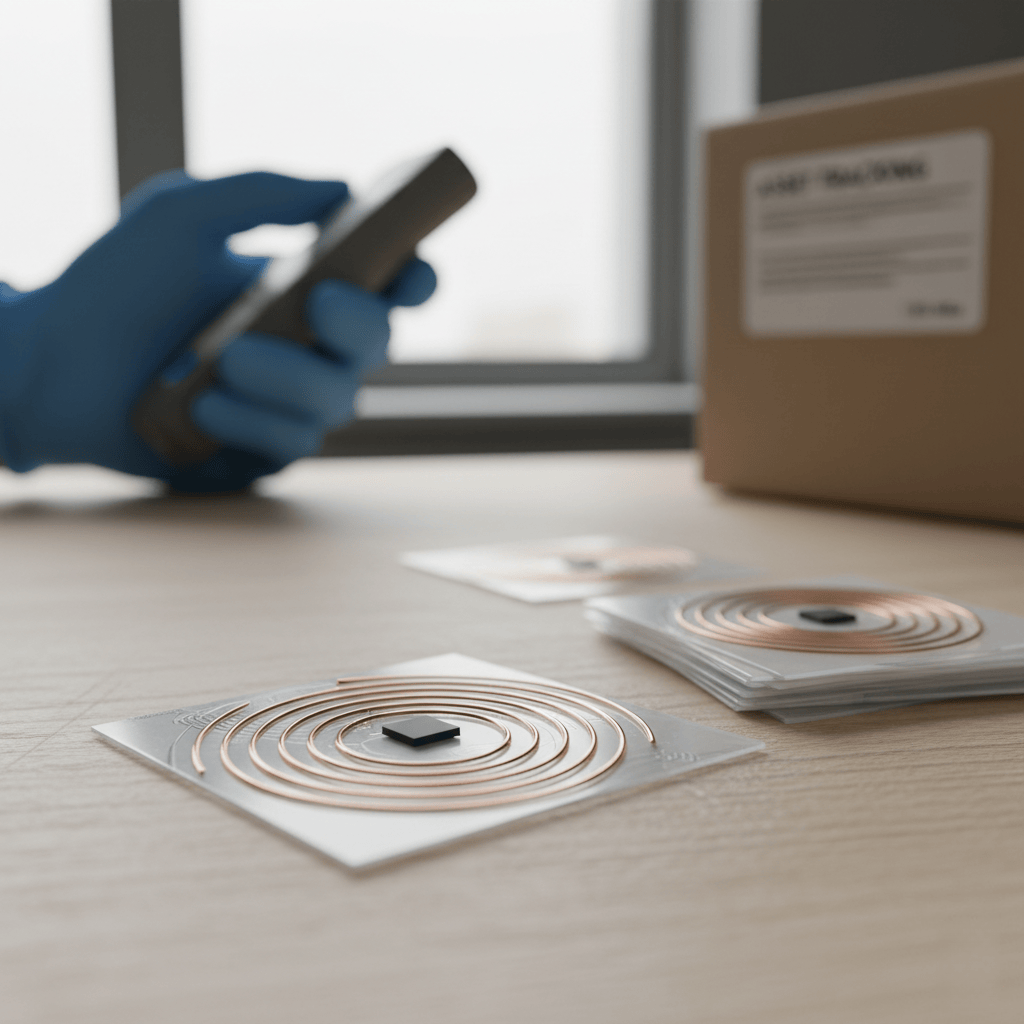
<sup id=](https://fongwahrfid.net/wp-content/uploads/2025/10/RFID-tags.-3.png%22) 2 on a table" />
2 on a table" />
When I start consulting on a project, this is the first question I ask. The choice between passive, active, or BAP tags defines the cost, range, and capability of the entire system. I've seen projects delayed because the wrong tag was chosen early on. A client might pick a passive tag for its low cost but needs the range of an active tag. This mismatch causes major issues later. That's why I always break it down for my clients.
Passive RFID Tags
These are the most common and affordable tags. They have no internal power source. They get their power from the radio waves sent by the RFID reader. This makes them small, cheap, and long-lasting. They are perfect for high-volume applications like retail inventory, access cards, and race timing.
Active RFID Tags
These tags have their own battery. The battery powers the tag's circuitry and broadcasts a signal. This gives them a much longer read range, sometimes over 100 meters. They are more expensive and larger. I recommend them for tracking high-value assets over large areas. This includes things like shipping containers in a port or vehicles in a lot.
Battery-Assisted Passive (BAP) Tags3
BAP tags are a middle ground. They have a small battery. However, the battery only helps transmit the signal back to the reader after being woken up by it. This gives them a better read range and reliability than passive tags4, especially in difficult environments. They are a great choice for tracking items that need more reliability, like medical equipment in a hospital.
| Tag Type | Power Source | Read Range | Common Use Case |
|---|---|---|---|
| Passive | Powered by Reader | Short to Medium (up to 25m) | Inventory, Supply Chain, Access Control |
| Active | Internal Battery | Long (100m+) | Asset Tracking, Vehicle Tracking, People Monitoring |
| BAP | Internal Battery | Medium to Long (up to 60m) | High-Value Goods, Cold Chain Monitoring |
How do I choose the right RFID frequency5?
Does your RFID system have a poor read range? You might be using the wrong frequency. Let me explain the options so your system works reliably every time.
RFID frequencies are mainly Low Frequency (LF)6, High Frequency (HF)7, and Ultra-High Frequency (UHF)8. Each has different read ranges and abilities to work near metal or water. The right choice depends entirely on your specific application and environment.
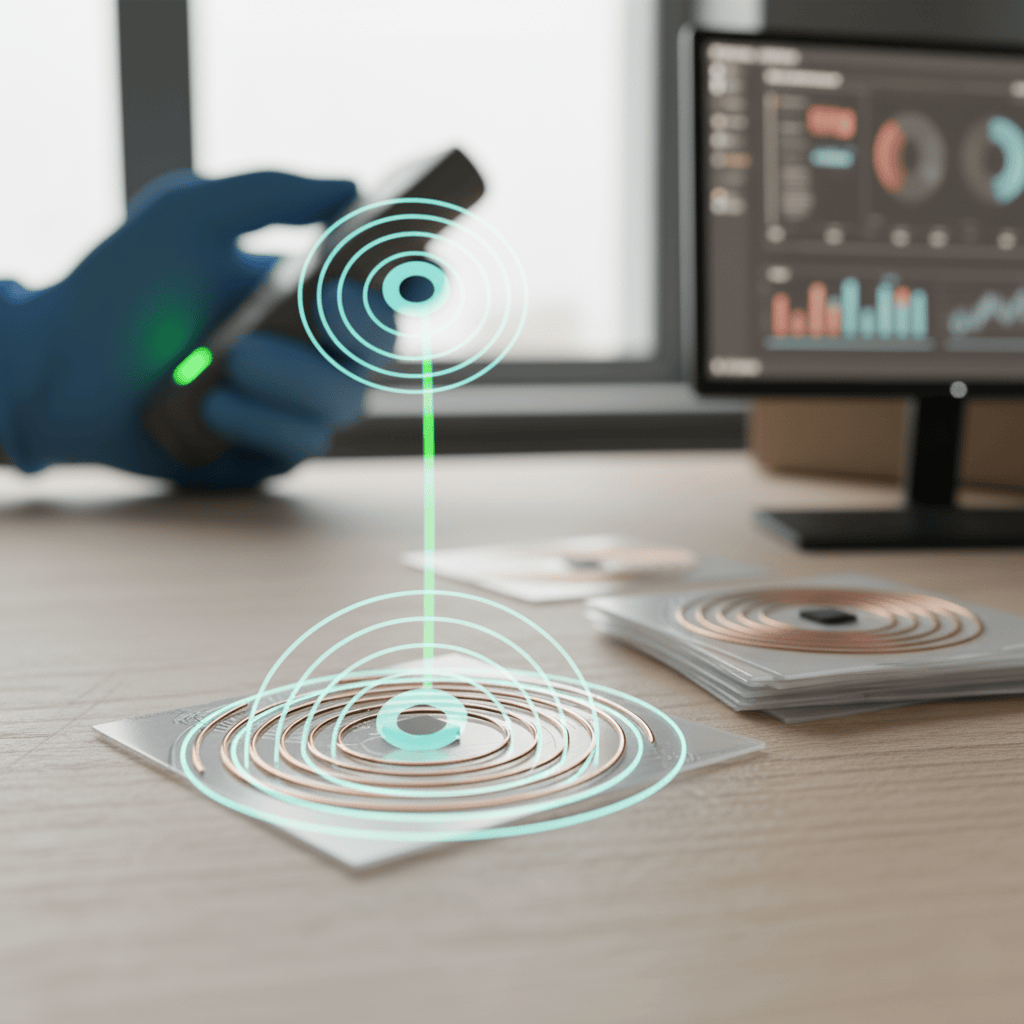
<sup id=](https://fongwahrfid.net/wp-content/uploads/2025/10/RFID-tags.-4.png%22) 5 ranges" />
5 ranges" />
After we decide on the tag type, the next conversation is always about frequency. This is another area where I've seen integrators like Gilles face challenges. A client once tried to use standard UHF tags to track liquid-filled containers in their warehouse. The project failed miserably because water absorbs UHF signals. We had to pause the project and re-evaluate. We found a solution with specially designed tags, but understanding the frequency characteristics from the start would have saved them a lot of time and money. It is not just about the tag, but the physics of the environment.
Low Frequency (LF)6
LF systems operate at 125-134 kHz. They have a short read range, usually just a few inches. However, their main advantage is that they work very well near water and metal. This makes them ideal for applications like animal tracking and access control key fobs. The signal is slow but very reliable in tough conditions.
High Frequency (HF)7
HF systems operate at 13.56 MHz. They have a read range from a few inches to about three feet. HF technology is what powers Near Field Communication (NFC), which you find in your credit cards and smartphones for contactless payments. It's a great choice for ticketing, library book tracking, and situations requiring secure data exchange.
Ultra-High Frequency (UHF)8
UHF systems operate from 860 to 960 MHz. They offer the longest read range, which can extend up to 25 meters with passive tags4. They can also read hundreds of tags per second. This speed and range make UHF the top choice for warehouse inventory management and supply chain logistics. However, its performance can be affected by metal and liquids.
| Frequency | Read Range | Characteristics | Best For |
|---|---|---|---|
| LF (Low Frequency) | Very Short (up to 10cm) | Works well near metal/liquid. | Animal tracking, car key fobs. |
| HF (High Frequency) | Short (up to 1m) | Good for security. Includes NFC. | Access control, payments, libraries. |
| UHF (Ultra-High Frequency) | Long (up to 25m) | Fast data transfer, reads many tags. | Warehouse inventory, supply chain. |
What are common challenges when integrating RFID systems?
Are you worried your RFID project will fail? Integration is where many systems break down. I'll share common pitfalls so you can avoid them from the start.
Common challenges include signal interference9 from metal and liquids, choosing the wrong tag or reader for the environment, and software integration10 issues. Proper planning and testing are essential to overcome these problems and ensure a successful deployment for your project.

This is where my team and I spend most of our time—helping clients overcome these hurdles. Gilles’s main job is exactly this. He ensures the hardware from us at Fongwah works seamlessly with his company's software. The truth is, buying an RFID tag and reader is the easy part. Making them work reliably in a real-world warehouse or on a busy production line is the real challenge. Many of the problems are not due to faulty products but to poor integration planning. Our 20 years of experience is like a "bulletproof vest" for our clients. We help them anticipate and solve these problems.
Environmental Interference
Radio waves behave differently around certain materials. Metal reflects RFID signals, creating blind spots. Water and liquids absorb them, drastically reducing read range. You must understand your environment and test extensively. Sometimes, the solution is as simple as placing an antenna differently. Other times, it requires specialized tags designed for metal or liquid environments.
Hardware Mismatches
You cannot mix and match components without careful planning. A UHF reader will not work with an HF tag. The tag's antenna must be optimized for the surface it's placed on. The reader's antenna must be positioned correctly to cover the desired read zone. A mismatch here will lead to poor performance or complete system failure.
Software and Data Management
The RFID reader collects a massive amount of data. Your software needs to be able to handle this stream of information. The Software Development Kit (SDK) provided with the hardware must be compatible and easy to use for your developers. Gilles often tells me that a clear SDK and good technical support from us are crucial. This makes the difference between a smooth integration and a project plagued by software bugs.
| Challenge | Description | Fongwah's Solution (How I Help) |
|---|---|---|
| Environmental Interference | Signals are blocked or reflected by metal, water, and other materials. | We help you perform site surveys11 and recommend specific tags like on-metal or liquid-resistant tags. |
| Hardware Mismatches | The tag, reader, and antenna are not optimized to work together. | I personally review your project requirements to ensure every component we provide is perfectly matched for the job. |
| Software and Data Management | The system software cannot properly communicate with the hardware or process the data. | We provide a clear SDK and direct technical support to your developers, ensuring a smooth integration process. |
Conclusion
Understanding RFID basics is the first step. Choosing the right components and planning for integration challenges will ensure your project's success. We are here to help you.
---Explore this resource to gain a comprehensive understanding of RFID technology and its applications. ↩
Learn about the various types of RFID tags to make informed decisions for your projects. ↩
Find out how BAP tags combine features of both active and passive tags for better reliability. ↩
Understand the functionality and applications of passive RFID tags in various industries. ↩
Explore how different RFID frequencies impact performance and application suitability. ↩
Learn about LF RFID systems and their ideal use cases, especially in challenging environments. ↩
Discover the applications of HF RFID systems, including NFC technology in everyday devices. ↩
Understand why UHF RFID systems are preferred for warehouse inventory management. ↩
Explore the impact of environmental factors on RFID signal performance and solutions. ↩
Discover best practices for integrating software with RFID hardware for smooth operations. ↩
Learn how site surveys can help optimize RFID system performance in real-world environments. ↩