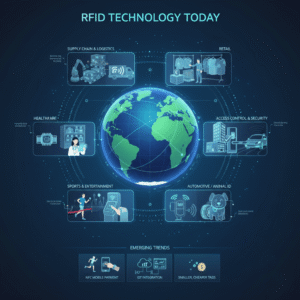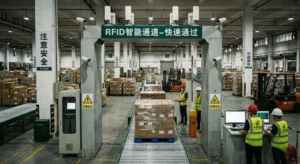
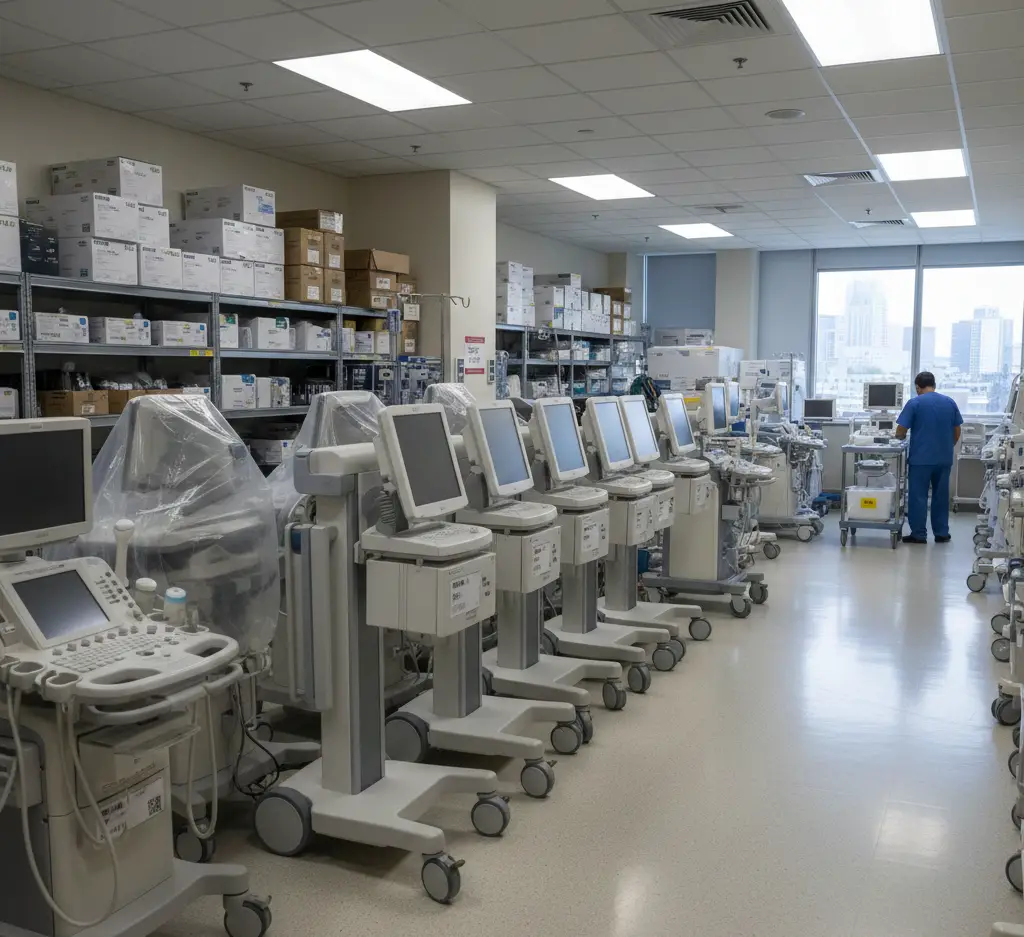
Hospitals currently lose millions of dollars every year due to missing equipment and expired medication. This operational chaos endangers patients. RFID technology solves this tracking nightmare instantly.
RFID tracks assets and ensures patient safety by providing real-time visibility of medical equipment. It automates inventory management, prevents theft, and monitors environmental conditions for sensitive drugs, ensuring regulatory compliance and effective operational efficiency.
You might believe your current manual inventory system is "good enough" for your facility. However, I want to show you why that specific mindset is costing your staff valuable hours and compromising trust in your patient care.
What Are the Three Critical Nightmares Haunting Hospital Management?
Nurses waste hours searching for pumps while patients wait. Delays cause critical risks. Automated tracking eliminates this wasted time and reduces stress completely.
The three main healthcare pain points are locating mobile equipment like ventilators, preventing expensive asset theft, and managing temperature-sensitive pharmaceuticals. RFID addresses these by providing real-time location data and automated environmental monitoring.
1. The Search for Mobile Equipment
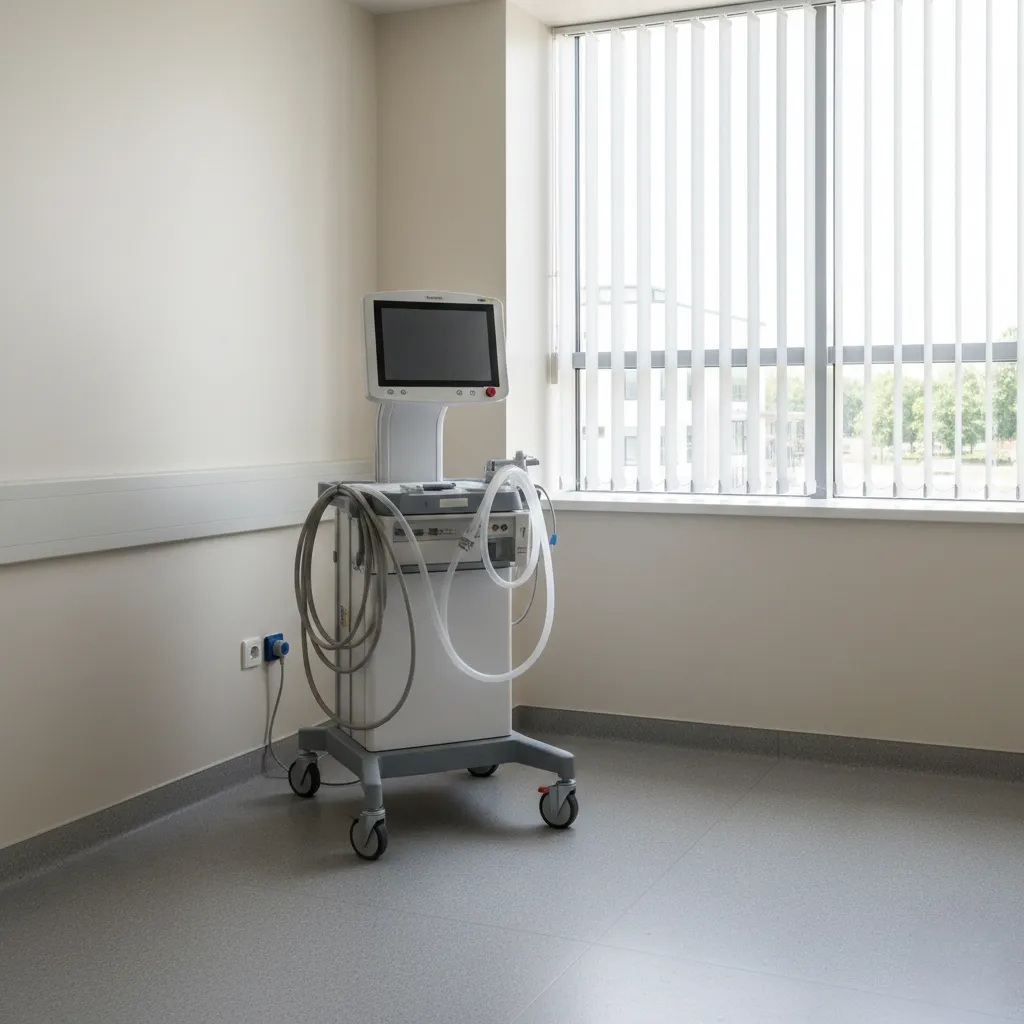
In my early days working as a production line operator at Fongwah, I learned that efficiency is everything. This applies even more to hospitals. A major pain point is the "hunt" for mobile devices. Nurses utilize a significant portion of their shifts just walking around, looking for infusion pumps, wheelchairs, or ECG machines. This is not just annoying; it is dangerous. When a patient needs a ventilator, seconds matter. RFID tags allow the central system to visualize exactly where a device is located.
2. Asset Theft and Loss
Medical devices are high-value targets. Without a tracking system, expensive specialized equipment often "walks" out the door or ends up in the laundry chute by mistake. I have seen reports where hospitals lose 10% to 20% of their mobile assets annually. By placing RFID readers at exits, the system triggers an alert the moment a tagged asset approaches an unauthorized zone. This stops theft before it happens.
3. Pharmaceutical and Sample Safety
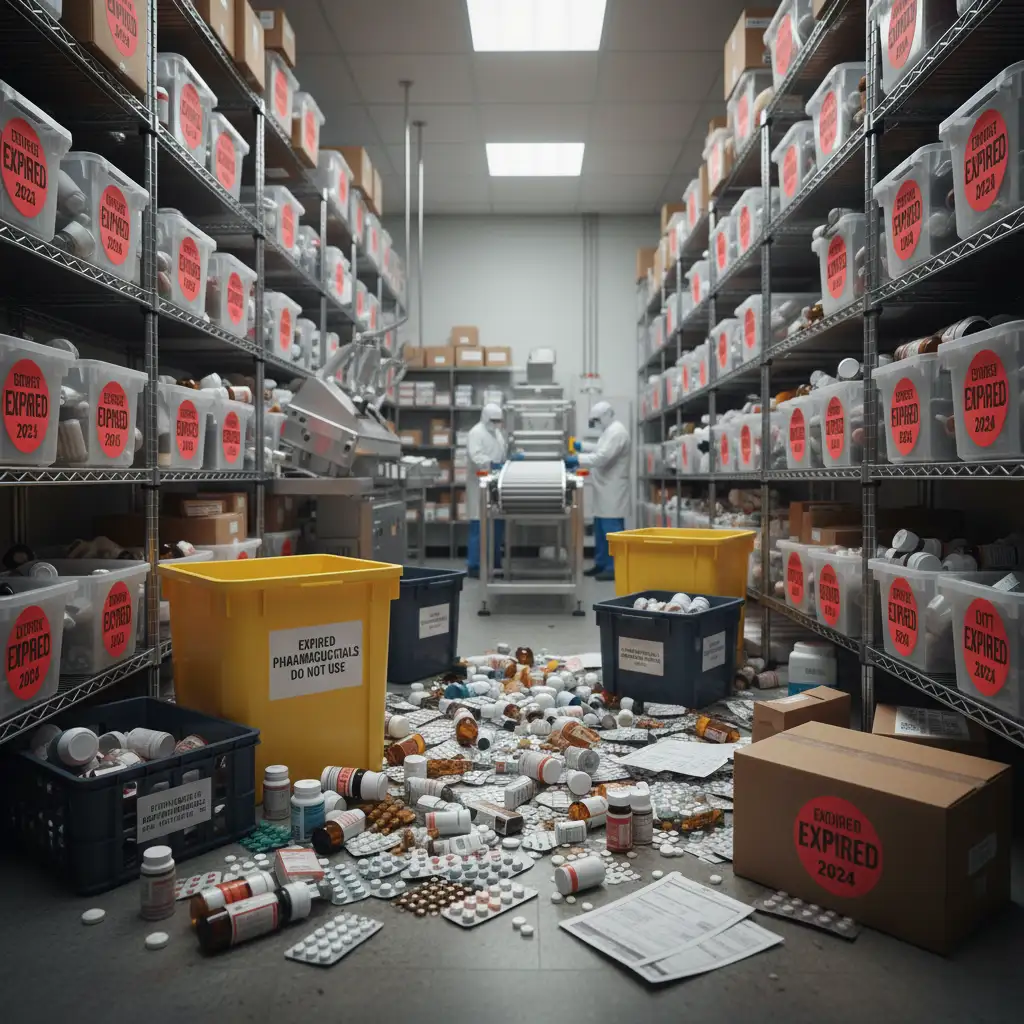
This is a technical challenge I enjoy discussing. Keeping blood bags or vaccines at the right temperature is vital. It is not just about location; it is about condition. If a fridge fails, manual checks might miss it until the inventory is ruined. RFID sensor tags constantly log temperature data. This ensures that every test tube or blood bag is safe to use. It guarantees that no expired or spoiled medicine reaches the patient.
Why Is RFID Superior to Traditional Manual Management?
Manual logs are slow, frustrating, and prone to human error. One mistake ruins compliance. RFID offers real-time precision that paper records cannot match.
Traditional management relies on delayed, manual counts, whereas RFID offers instantaneous, automated inventory. RFID ensures 100% accuracy in finding devices and tracking drug expiration, unlike manual methods which are prone to human error.

The Data Advantage
When I moved from the production floor to an engineering role, I realized the power of data structure. We need to look at the stark contrast between the old way and the modern way. I have compiled the following comparison based on real-world deployments.
Management Dimension Comparison
| Management Dimension | Traditional Manual Records | RFID Real-Time Monitoring System |
|---|---|---|
| Asset Inventory | Takes days to complete; data is always lagging behind reality. | Asset counting is automated in seconds; you master the location in real-time. |
| Device Retrieval | Staff asks around the whole hospital; efficiency is extremely low. | Handheld readers guide staff; precise positioning down to the specific room. |
| Sample/Drug Tracing | High risk of human error in labeling; difficult to track history. | Unique ID binding; the entire process is automated and verified. |
| Compliance Check | Paper records are messy; auditing is difficult and slow. | Electronic logs are automatic; fully compliant with FDA and local regulations. |
Analyzing the Impact
The table above highlights the operational gap. In a manual system, you react to problems after they happen. With RFID, you are proactive. For example, "Compliance Check" is critical. FDA regulations or internal audits require proof of maintenance and safe storage. Paper records get lost or are illegible. An RFID system logs every movement and temperature change automatically. This digital trail is undeniable proof of quality compliance.
Which Hardware Specifications Are Essential for a Medical RFID System?
Wrong hardware fails quickly in harsh, sterile hospital environments. Systems break easily. Selecting autoclave-proof tags ensures long-term system reliability and safety.
For hospitals, install fixed readers at portals to track movement between zones. Crucially, use high-performance tags designed to withstand autoclaves and sterilization processes to ensure hygiene and durability.

The Importance of the Reader Location
As someone who has managed product lines for 5 years, I know that installation strategy is as important as the device itself. For healthcare, I always recommend Fixed Readers installed at "Portal" points. These are the doorways between wards, elevator entrances, and hospital exits.
- Zone Monitoring: By covering these portals, you create zones. You know if a wheelchair leaves the Emergency Room and enters the ICU.
- Invisible Scanning: These readers should be unobtrusive. They scan automatically as staff walk through, requiring no manual action.
The Critical "Autoclave" Standard for Tags
This is where my technical experience at Fongwah becomes very relevant. Not all tags are created equal. In a hospital, tools must be sterilized.
- The Challenge: Sterilization usually happens in an Autoclave, which uses high-pressure steam at high temperatures (often around 121°C or 134°C). Standard adhesive labels will melt or fail immediately.
- The Solution: You must select High-Performance Tags encased in durable materials like PPS or ceramic. These tags survive the heat, pressure, and chemical cleaning agents.
- My Advice: When sourcing tags, look specifically for "IP68 ratings" and "Autoclave resistance." If the tag fails after one wash, the entire tracking system fails. We design our hospital-grade tags to survive hundreds of these cycles because reliability is non-negotiable in this industry.
Conclusion
RFID transforms healthcare by securing assets and saving lives through efficiency. Contact Fongwah today to deploy the right readers and durable tags for your hospital.
---