Garment factories often struggle with delayed data and error-prone manual counts, creating a chaotic production environment that hurts efficiency.
Factories are digitizing operations by replacing manual tickets with RFID technology. This involves embedding tags into care labels and installing readers at workstations to track real-time progress, automate payroll, and ensure 100% visibility of Work-In-Progress (WIP).

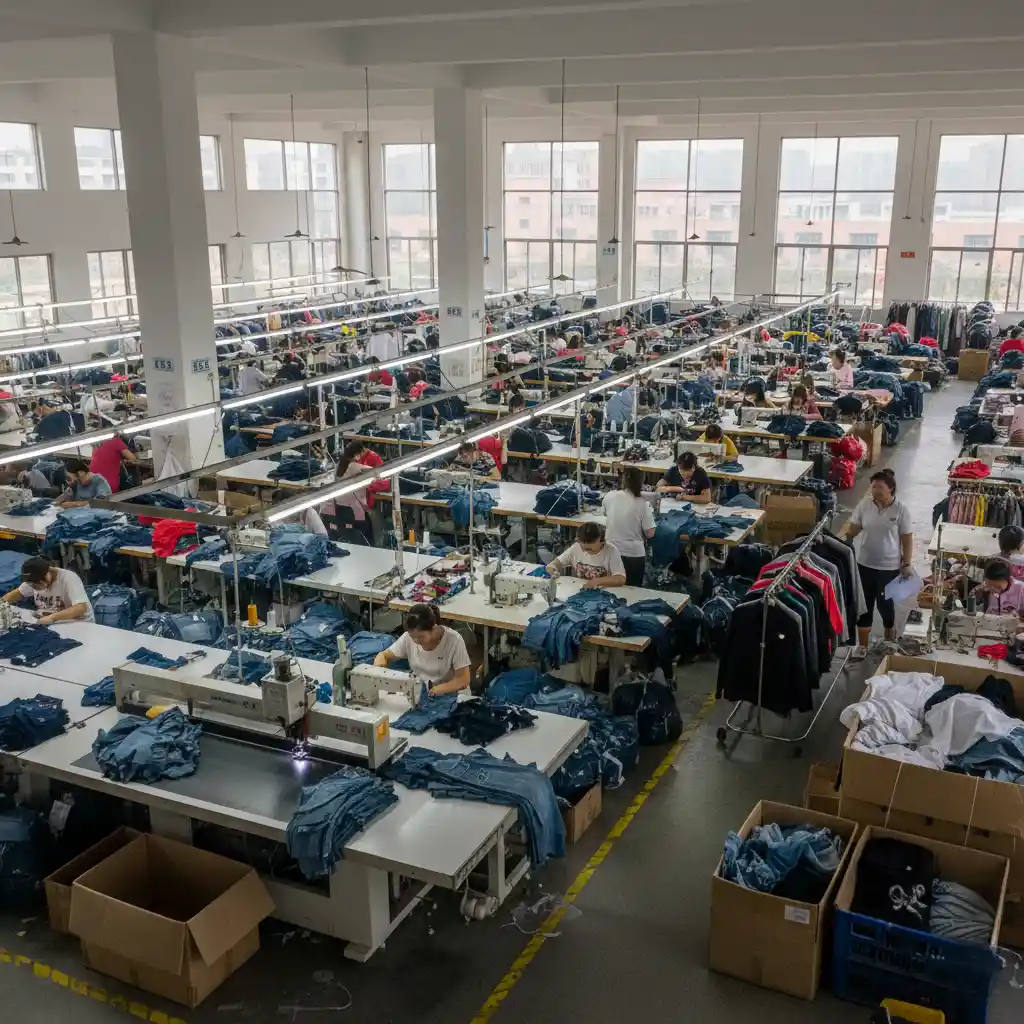
I spent years on the factory floor, and I saw how hard it is to track thousands of fabric pieces. Many managers feel stuck because they cannot see what happens on the line until the day ends. However, the industry is shifting. We are moving from cutting threads to managing digital data. Below, I will share how this technology changes the game for manufacturers.
How do we move from "cutting threads" to digital visibility?
You see mountains of cut fabric on the floor, but you have no idea if the order will finish on time.
Digital visibility starts by assigning a unique digital identity to every garment piece. This allows engineers to track Work-In-Progress (WIP) instantly, identifying exactly which station a specific batch occupies without physical searching.
The Evolution of the Production Line
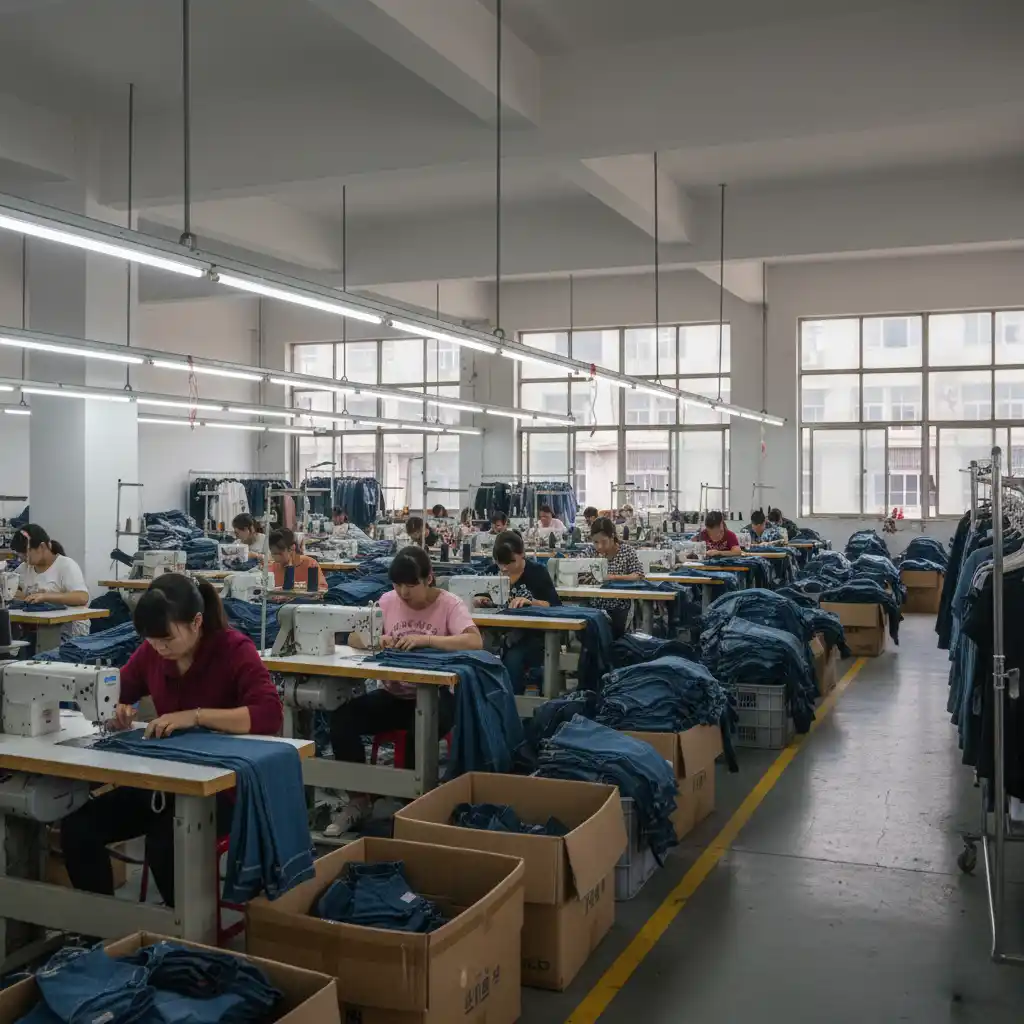
I started my career as a production line operator. Back then, we used the "bundle system." Operators would cut a paper ticket from a bundle of clothes after sewing them. They stuck these tickets onto a sheet of paper. At the end of the day, a clerk would collect these papers. They would spend hours typing the data into a computer. This method was slow. The data was always one day old. If a problem happened in the morning, the manager found out the next day. This is too late.
When I became an engineer, I realized transparency is the most important thing. Real-time data changes everything. We call this WIP or Work-In-Progress tracking. In a digital factory, the paper ticket becomes an RFID tag. The sewing machine has a small reader. When the operator finishes a shirt, the system reads the tag automatically. The manager sees the progress on a dashboard immediately. This removes the "blind spots" in manufacturing. It helps line balancing because you can see which worker is fast and which is slow.
Comparison of Workflow Visibility
| Feature | Manual Bundle System | Digital RFID System |
|---|---|---|
| Data Recording | Employee cuts paper tickets | Automatic sensor reading |
| Time Delay | Data enters system next day | Data enters system instantly |
| Bottleneck Detection | Hidden until end of shift | Visible immediately (Red Flags) |
| Human Error | High (lost tickets, typos) | Near Zero (automated entry) |
What is the actual return on investment for smart factories?
Factory owners hesitate to upgrade because they worry the cost of RFID hardware will not pay off quickly enough.
The ROI of RFID in garment manufacturing comes from eliminating manual labor costs and error reduction. Systems automate complex piece-rate payroll calculations and reduce the time spent searching for lost inventory to seconds.
Analyzing the Value of Digitization
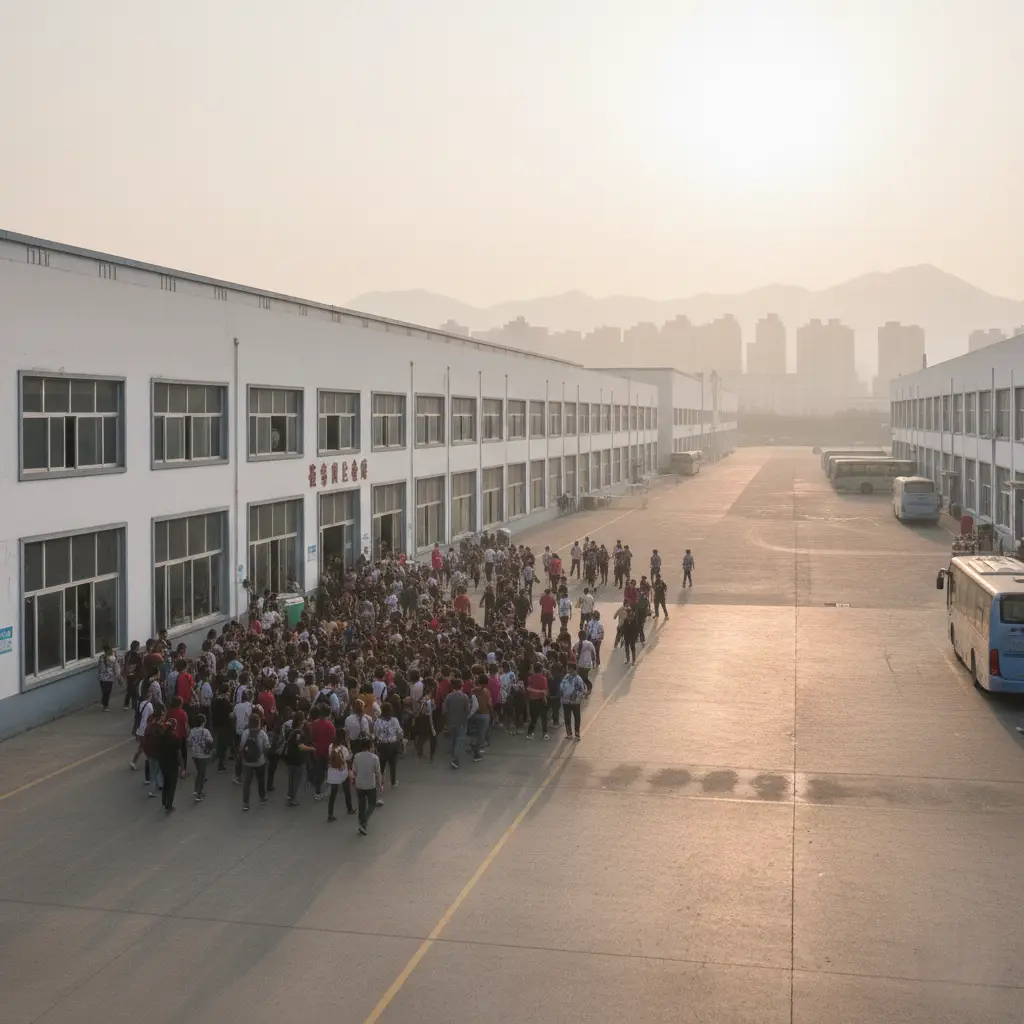
From my experience working with B2B clients at Fongwah, the first question is always about money. Business owners want to know the ROI. In garment factories, the biggest headache is not just making clothes. It is managing the people and the payments. Traditional factories use piece-rate pay. Workers get paid for exactly how many zippers or sleeves they sew.
In the old system, workers and managers argue often. A worker says, "I did 500 pieces." The manager says, "I only have tickets for 480." Who is right? This causes disputes and hurts morale. With RFID, the system counts automatically. The accuracy is 100%. There are no arguments. The computer calculates the salary instantly.
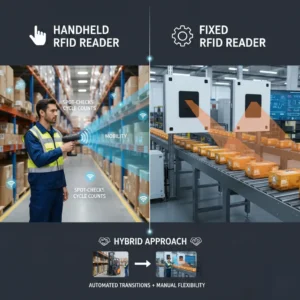
Furthermore, we must look at "search time." Imagine a warehouse with 50,000 shirt parts. A customer cancels an order for the "Large, Blue" batch. You have to find them to stop production. In a manual factory, this takes hours of digging through piles. With a handheld RFID reader, you walk down the aisle. The reader beeps when you are close. You find the batch in one minute. This efficiency pays for the hardware very fast.
Production Phase: Manual vs. RFID Digital
| Production Phase | Traditional Manual Way | RFID Digital Factory |
|---|---|---|
| Step Tracking | Employees record books by hand | Real-time collection at each station |
| Payroll Calculation | Manual count, high conflict risk | Auto-calc, 100% accuracy |
| Finding WIP | Searching through piles of fabric | One-second location with handhelds |
| Quality Traceability | Hard to find who made the error | specific ID tracks worker, time, and device |
Which hardware is essential for a rugged production environment?
Standard office technology fails quickly in garment factories due to high temperatures, washing processes, and constant machine vibration.
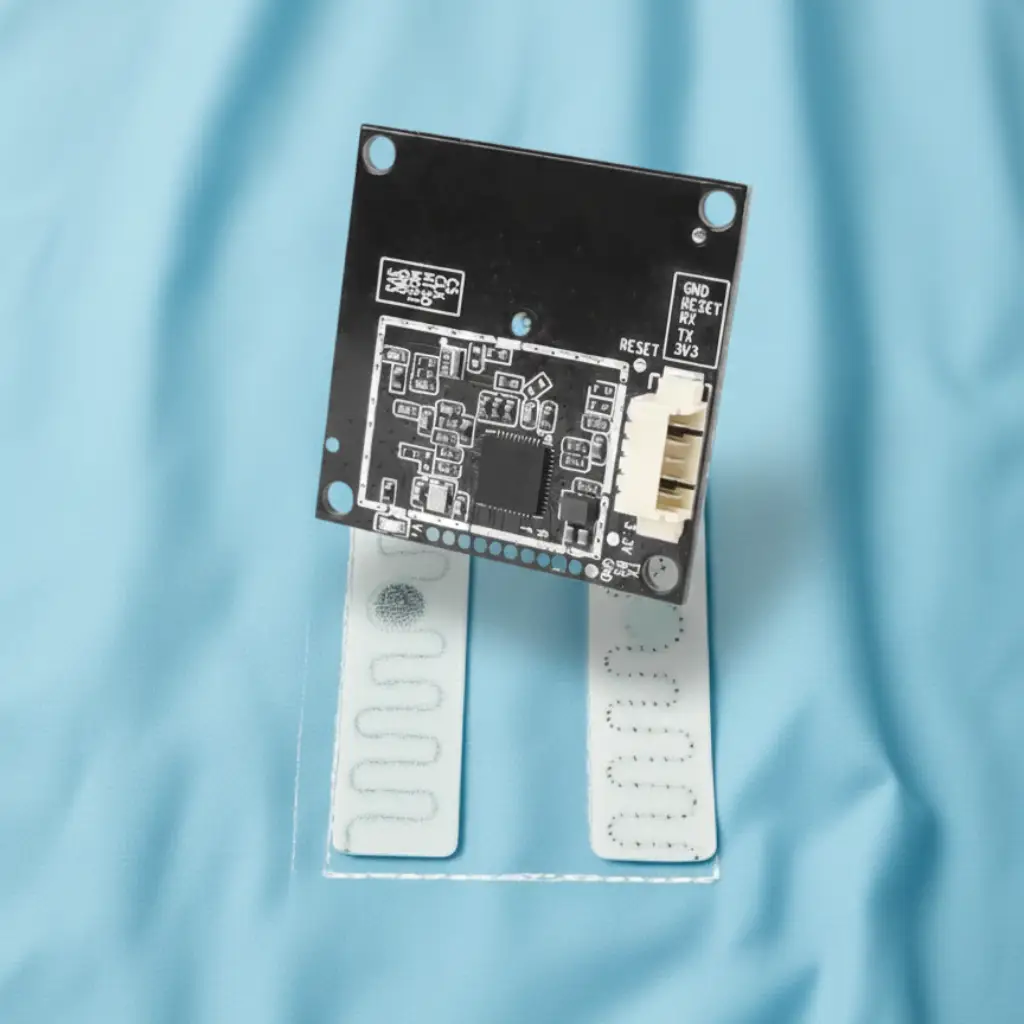
You must select durable hardware like washable Care Label Tags and industrial Desktop Reader Modules. These components function correctly despite the harsh washing, drying, and ironing cycles typical in clothing production.
Selecting the Right Tools for the Job
I have visited many factories where the system failed because they bought the wrong tags. Garment manufacturing is a harsh environment. It is not like a clean retail store. The most critical component is the tag. We usually recommend UHF RFID tags embedded directly into the "Care Label" (the washing instruction label). This tag must survive distinct challenges. It must handle the heat of ironing. It must survive industrial washing machines. It must withstand high pressure. If the chip breaks during washing, the data is lost forever.
For the reading hardware, we do not use big gates everywhere. Instead, we use "Desktop or Embedded Modules." You place these right on the sewing machine table. At Fongwah, we design these to be compact. They create a small read zone. This is important. You do not want the reader to read the shirts at the next table. You only want to read the shirt in the operator's hand. This requires precise antenna tuning. We often help clients integrate these modules directly into their existing production furniture. This makes the technology invisible to the worker, but the data flows constantly to the server.
Hardware Specifications for Garments
| Hardware Component | Key Requirement | Why it Matters? |
|---|---|---|
| Care Label Tag | Heat & Water Resistant | Must survive washing/ironing cycles |
| Tag Material | Nylon or Polyester | Matches the garment fabric feel |
| Embedded Reader | Near-Field / Short Range | Prevents "Cross-reading" stray items |
| Reader Interface | USB or RS232 | Connects easily to industrial PCs |
Conclusion
RFID transforms garment manufacturing from chaotic manual entry to precise digital management, ensuring efficiency, accurate payroll, and total quality control.
---