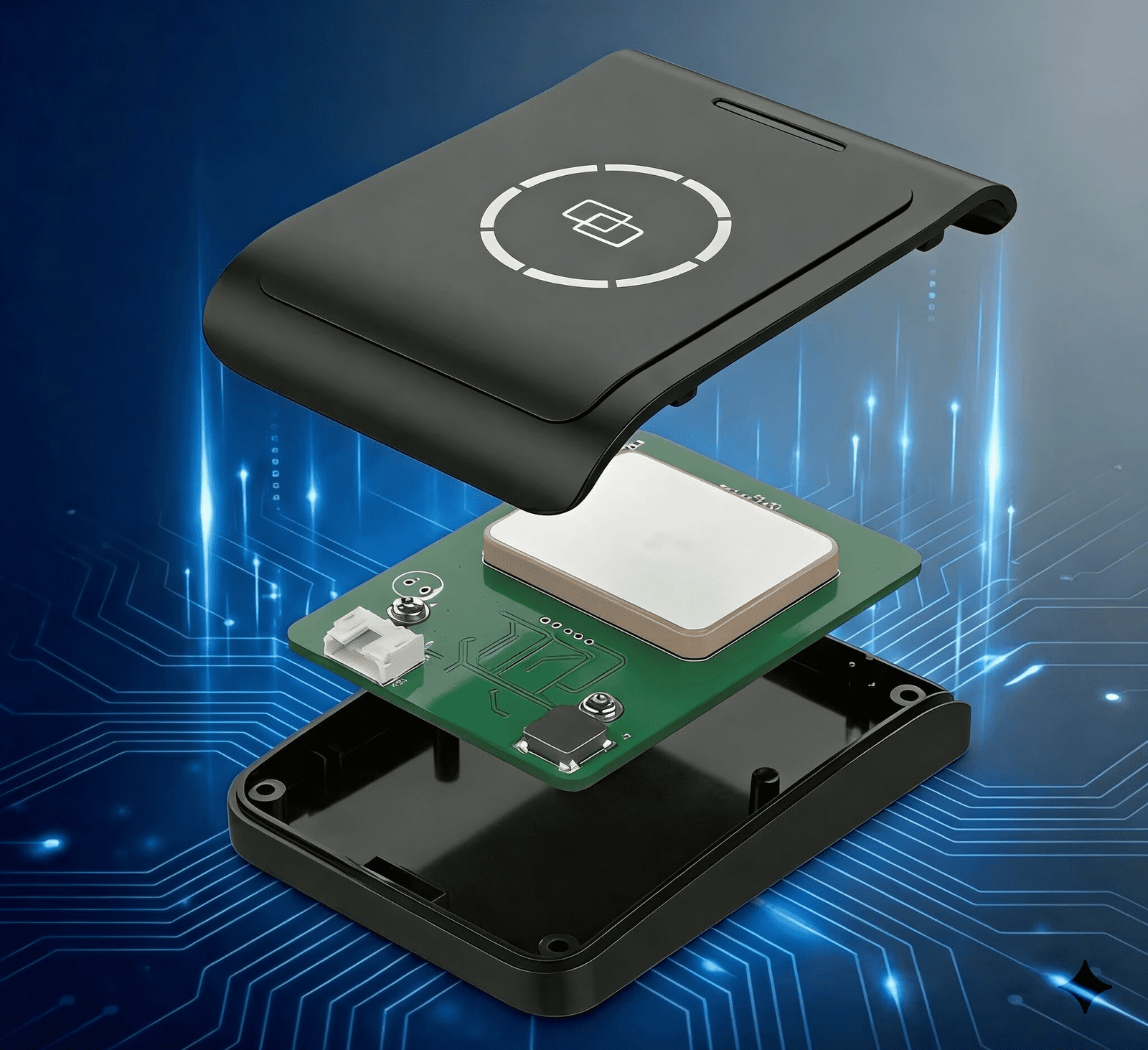
- How to choose the right manufacturing partner in China to scale your RFID product line without compromising IP or quality
- Navigating the Transition from Software Integration to Hardware Ownership
- Securing Your Supply Chain: Why Direct Factory Relationships Beat Trading Companies
You have built a powerful software platform for access control or inventory management. But your software is useless without reliable hardware, and your current generic readers are failing in the field, damaging your brand reputation.
Finding a partner who provides robust SDK support alongside stable manufacturing is the only way to scale. You need a factory that acts as an extension of your engineering team, offering deep customization options that go beyond simple logo printing to ensure your hardware matches your software perfectly.
Fongwah holds verified certifications including CE, RoHS, Red, TELEC, and FCC. This isn't just paperwork; it's your entry ticket to global markets.
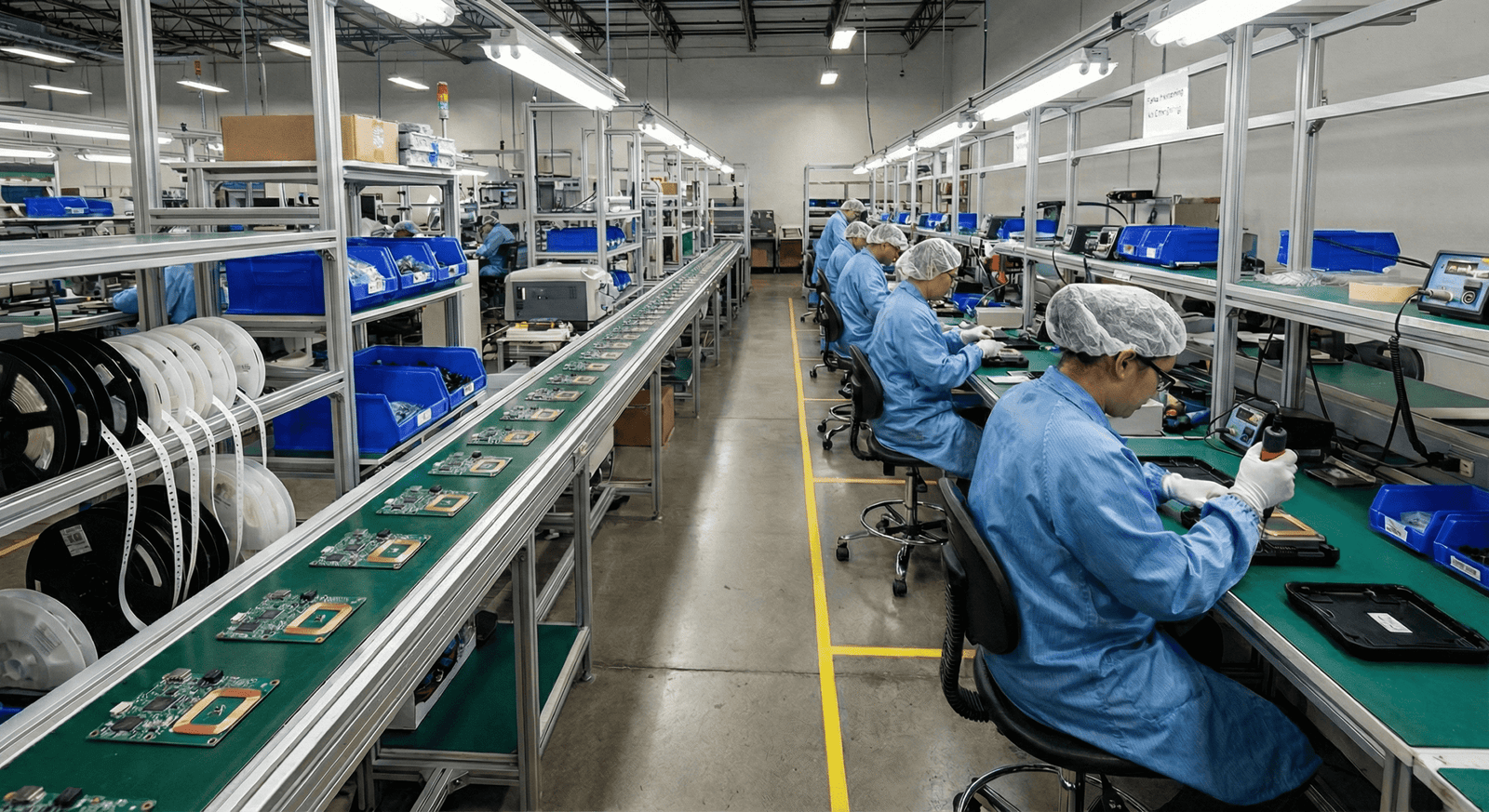
I talk to American and European product managers every week. They all have the same fear. They are afraid of the "Black Box" manufacturer. They send money to China, and they get a box of plastic that might work, or might not. They fear the firmware will change without notice. They fear their intellectual property will be stolen. I am here to tell you how to navigate this. I am Jay, and at Fongwah, we solve these problems by moving you from a "buyer" to a "partner."
What is the real difference between simple re-branding and deep technical customization?
Many factories claim they offer OEM services. Usually, this just means they will slap a sticker on a standard product. This does not help you if the standard product does not fit your specific industrial kiosk or turnstile.
True customization ranges from aesthetic changes to fundamental engineering. While re-branding builds brand awareness, deep customization (ODM) involves PCB redesigns and firmware modification1 to create a product that behaves exactly how your system requires.
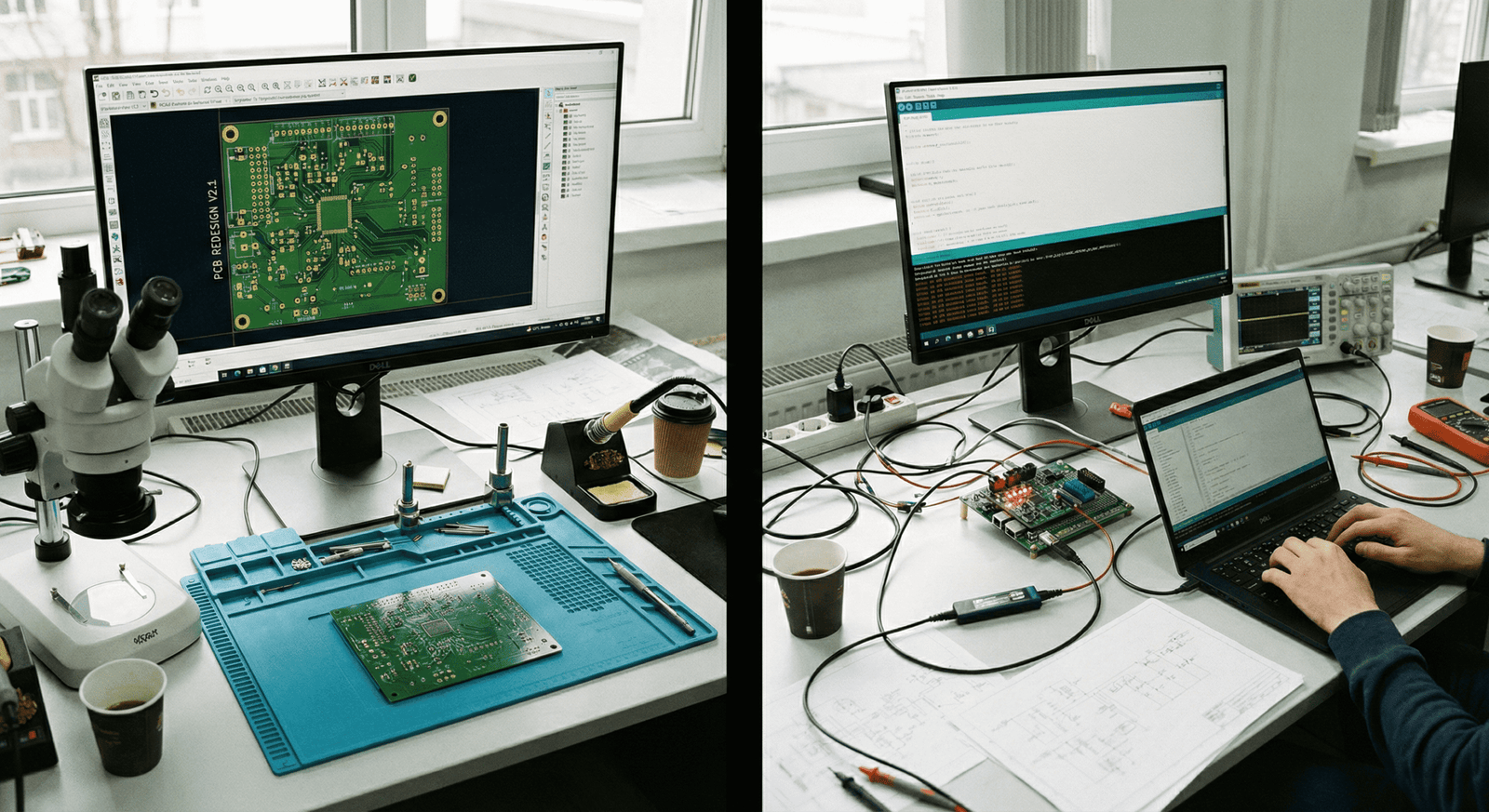
I handle requests for both ends of this spectrum. On one side, we have clients who want our standard USB desktop readers. They like the performance, but they want their logo on the casing. This is "White Labeling." It is fast. It is cheap. It helps you look professional. On the other side, we have clients building complex self-service kiosks. The standard casing is too big. The standard cable is the wrong direction. The standard beep is too loud. This is where Fongwah stands out. We offer granular customization. We open the schematic. We redesign the Printed Circuit Board (PCB) to fit inside your specific machine. We modify the firmware. Maybe you need the reader to sleep after 5 seconds to save power. Maybe you need it to output data in a specific Hexadecimal format to match your legacy database. A trading company cannot do this. They have to ask the factory, and the factory will say "No" because the order is too small. Because we are the factory, I can go to my engineering team and say, "Let's make this work."
| Level | Action | Best For | Lead Time |
|---|---|---|---|
| Basic OEM | Logo Printing / Custom Packaging | Marketing / Distributors | Short (1-2 weeks) |
| Firmware Customization | Output format / LED Logic / Encryption | System Integrators | Medium (2-3 weeks) |
| Full ODM | PCB Redesign / Custom Mold / New Chipset | Unique Hardware Products | Long (2-3 months) |
How do you ensure the hardware actually talks to your software application?
You can buy the most expensive hardware in the world, but if it lacks documentation, it is a paperweight. Your developers do not want to guess how the device works; they want to code and go home.
A strategic manufacturing partner must provide comprehensive SDK support and secondary development tools. This includes libraries for C#, Java, and Python, ensuring that your software team can integrate the reader into your ecosystem without reverse-engineering the protocol.
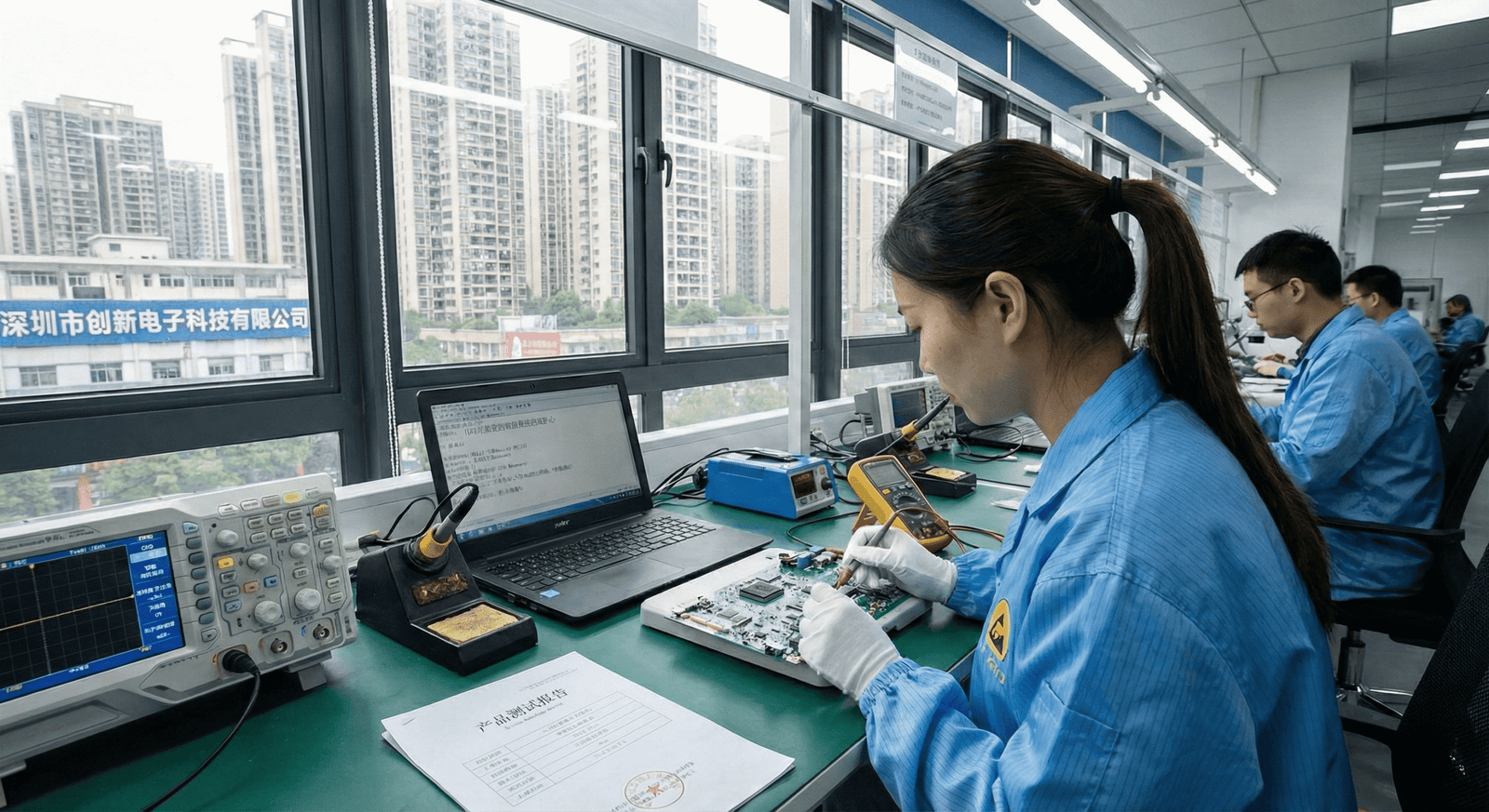
I have seen projects fail because of bad software support. A client buys 1,000 readers. The hardware is fine. But the manufacturer only provided a manual in Chinese and a driver for Windows XP. The client's software is web-based. They need a browser plugin or a specific DLL (Dynamic Link Library) to communicate with the hardware. The project stalls. The client loses money. At Fongwah, we understand that hardware is just the body. Software is the soul. We provide a full SDK (Software Development Kit). We support standard environments like Windows, Linux, and Android. If you are building an Android app for a handheld scanner, we give you the source code examples. If you are building a web app, we guide you on how to bridge the USB device to the browser. This is vital for Intellectual Property (IP) protection as well. When we do Firmware modification for you, we are creating a unique handshake between your software and our hardware. This means no one else can use your readers. It also means your software will not work with generic readers. This locks in your customer base. They must buy from you. We sign strict NDAs (Non-Disclosure Agreements). Your code is your code. Our job is to make sure our hardware executes it flawlessy.
Will your hardware partner survive global supply chain disruptions?
The post-COVID world taught us a hard lesson. If your supplier cannot get chips, you have no product. Relying on middlemen who hold no stock is a dangerous gamble for your business continuity.
Supply chain stability is the foundation of a long-term partnership. By working directly with a manufacturer, you gain visibility into component inventory and life-cycle management, allowing you to plan product roadmaps without the fear of sudden obsolescence.
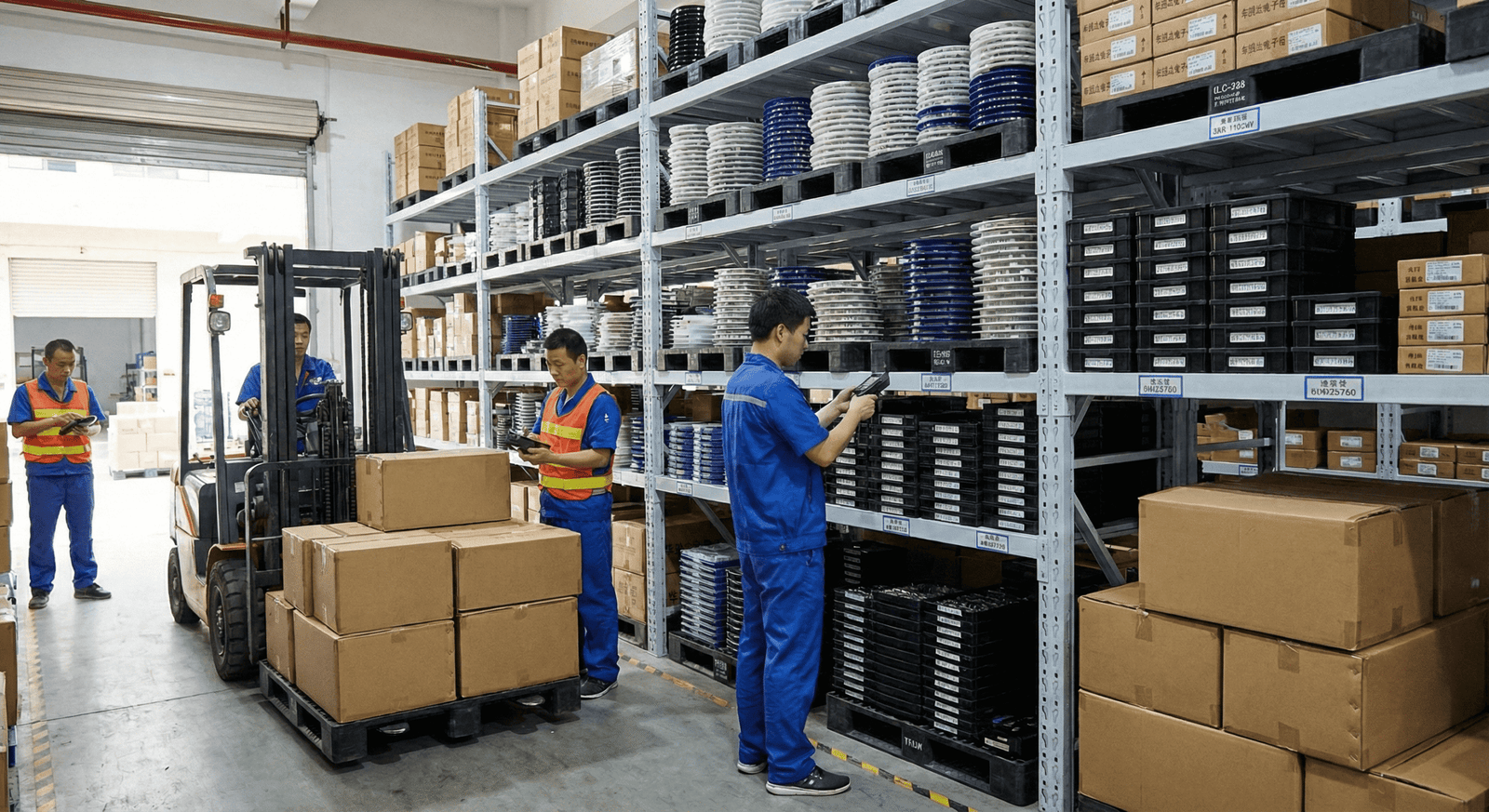
I remember the chip shortage of 2021. It was a war. Small trading companies disappeared overnight. They could not buy chips. Their prices tripled. They canceled orders. Our clients were panicked. But we are a factory. We have a warehouse. We plan 12 months ahead. When you choose a manufacturing partner, you are not just buying the reader today. You are buying the guarantee that you can buy the reader next year. I tell my clients about our "Key Component Strategy." We stock essential chips (like the main MCU and the RFID demodulator) in high volume. If a specific chip goes EOL (End of Life), we know it months in advance. I will contact you. I will say, "This chip is dying. We have two options. Option A: We buy enough stock for your next 2 years. Option B: We redesign the PCB to use a newer, better chip." A middleman cannot give you these options. They will just tell you "Out of Stock." We also manage the mechanical parts. We own the molds for our casings. We do not rent them. This control allows us to guarantee consistency. The reader you buy today will look and feel exactly like the reader you buy in 2028. For a Global Brand, this consistency is non-negotiable. You cannot send a product to a customer that looks different from the picture on your website. We ensure that never happens.
Common Questions for OEM/ODM Partners
Q1: What is the difference between your "Re-branding" and "Deep Customization" services?
Answer: Re-branding focuses on visual identity, such as silk-screening your logo on our standard readers and customizing packaging, with a lower MOQ. Deep Customization involves hardware modification, such as PCB redesign to fit specific kiosks, firmware adjustments for unique protocols, or mold creation. We support both, depending on your project stage.
Q2: Do you provide SDK files and technical support for integration?
Answer: Yes. Unlike generic trading companies, Fongwah is a manufacturer with a dedicated R&D team. We provide complete SDKs (DLL dynamic link libraries) and development guides for Windows, Linux, and Android platforms to ensure your software team can integrate our hardware seamlessly.
Q3: How do you handle FCC/CE certification for private-label products entering the US market?
Answer: Our standard models are already FCC and CE compliant. For private-label orders, we can assist in providing the necessary circuit diagrams and test reports to help you apply for certification under your own brand, or we can list your brand as a subsidiary model under our existing certifications to save costs.
Q4: Can I request a prototype for stress testing before placing a bulk order?
Answer: Absolutely. We encourage engineering validation. You can order a "Developer Kit" which includes the reader, test tags, and SDK. For custom PCB projects, we can produce engineering samples within 7-10 days after design confirmation.
Conclusion
Stop treating hardware sourcing as a transaction. Treat it as a strategic alliance. By choosing a partner like Fongwah, you leverage our manufacturing power, our software support, and our supply chain security to build a product that defines your brand.
---
Firmware modification enables unique features and security protocols, ensuring your hardware works perfectly with your software and protects your IP. ↩