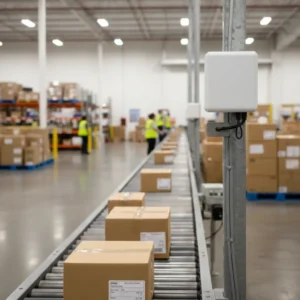
![[Expert Guide 2026] 7 Steps to Maintain Stable Outdoor RFID Reader Performance in Harsh Weather](https://fongwahrfid.net/wp-content/uploads/2025/12/11.webp)
Your outdoor RFID system fails during a storm, causing costly downtime. You need a reliable solution that works in any weather, not just on sunny days.
To ensure stability, you must select readers with a high IP rating1 like IP672, use weatherproof connectors3, and compensate for signal loss from water4 by adjusting antenna power and placement5.
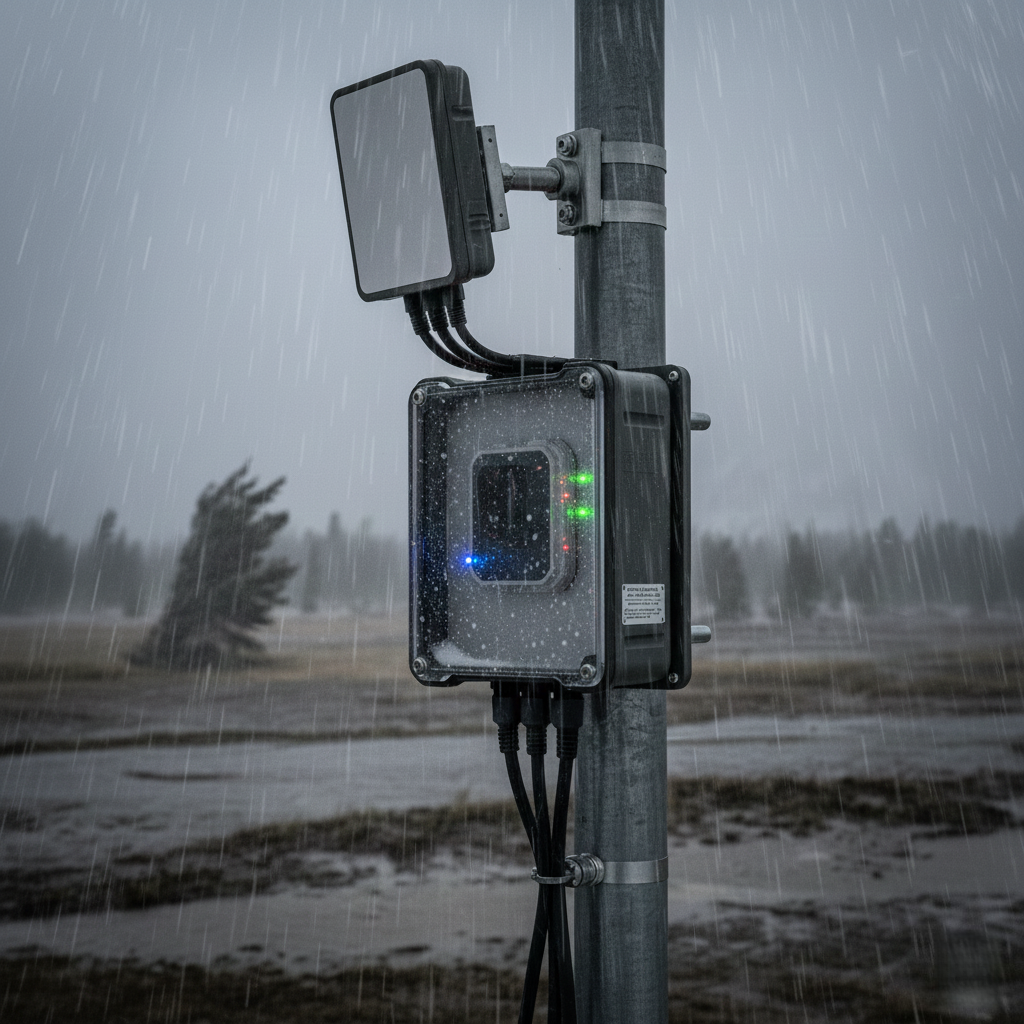
I'm Jay, and I've spent my entire career in the RFID industry, from building devices on the line to managing marketing at Fongwah. I've spoken with countless experts worldwide, like William, a skilled engineer in Canada. He often tells me about the challenges of deploying RFID in places with heavy rain and snow. His team has great ideas for logistics or asset tracking, but the fear of weather-related failure often stops a project before it starts. It’s a common problem. But it’s a solvable one. The solution isn't one single thing, but a combination of choosing the right hardware, understanding the physics, and installing it correctly. Let's break it down together.
How crucial is the reader's enclosure and IP rating1?
You worry that your new reader will get damaged by rain. This is a valid concern, as water damage can easily destroy sensitive electronics and ruin your investment.
Focus on the IP (Ingress Protection) rating. For outdoor use, select a reader with at least an IP672 rating. This ensures it is completely dust-tight and can withstand temporary immersion in water.
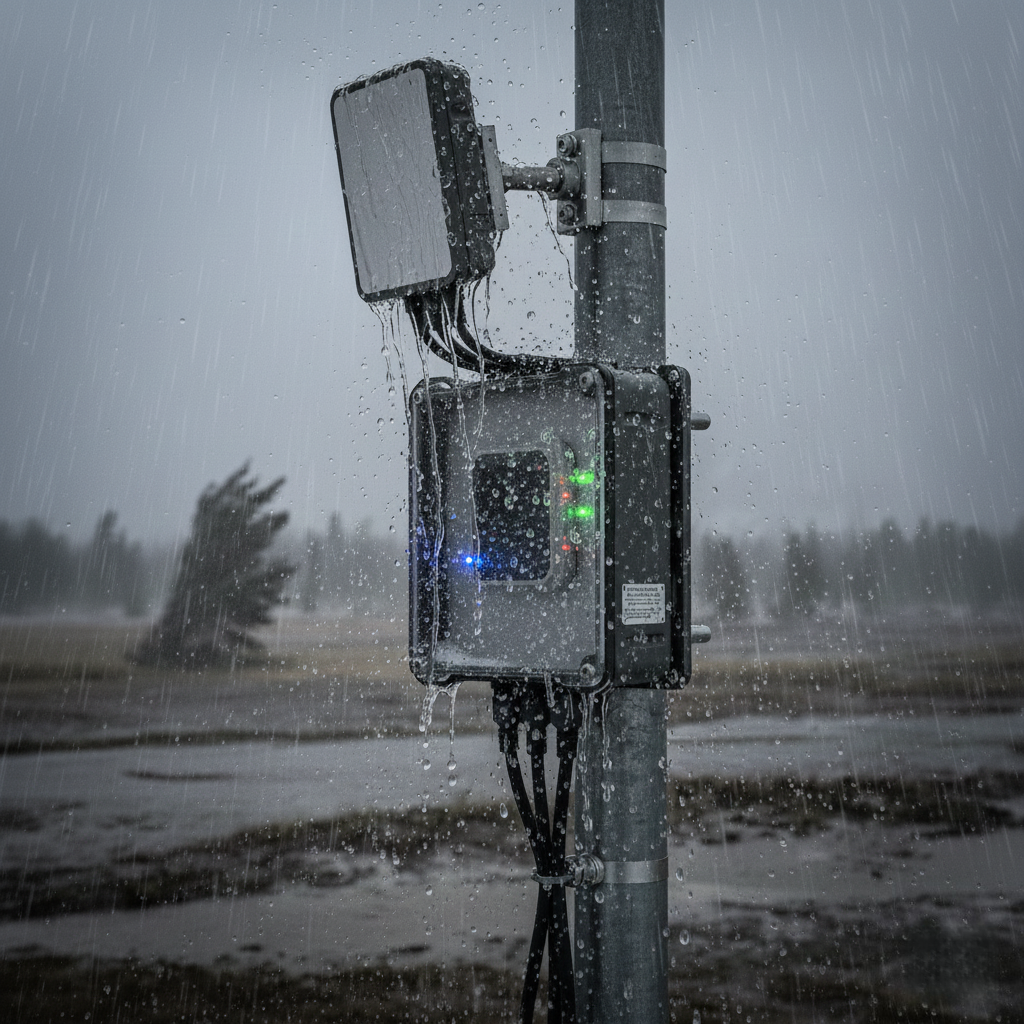
The IP rating1 is your first and most important line of defense. I remember a client in Vancouver who was automating their shipping yard. They initially used an IP54-rated reader because it was cheaper. The system worked perfectly for a few months, but the first major rainy season caused multiple failures. The cost of downtime and replacement far exceeded their initial savings. We helped them switch to one of our Fongwah IP672 readers with a rugged aluminum alloy6 body. The problem was solved immediately. The enclosure's material and construction are just as important as the rating itself. A metal housing dissipates heat better and withstands physical impact, while properly sealed cable glands prevent water from wicking in.
Key Hardware Features for Durability
| Feature | Importance | What to Look For |
|---|---|---|
| IP Rating | Very High | IP672 or higher for direct exposure to rain/snow. |
| Housing Material | High | Die-cast aluminum alloy is better than plastic. |
| Connectors | High | M12 aviation connectors or similar weatherproof types. |
| Operating Temp. | Medium | A wide range, e.g., -25°C to 65°C, is essential. |
Can rain and snow really interfere with RFID signals7?
Your system reads tags perfectly in dry weather, but the read rate plummets when it rains. This inconsistency is frustrating and makes the system seem unreliable for critical operations.
Yes, water in the form of rain, snow, or ice absorbs radio waves in the UHF RFID frequency band (860-960 MHz). This reduces read range and reliability.
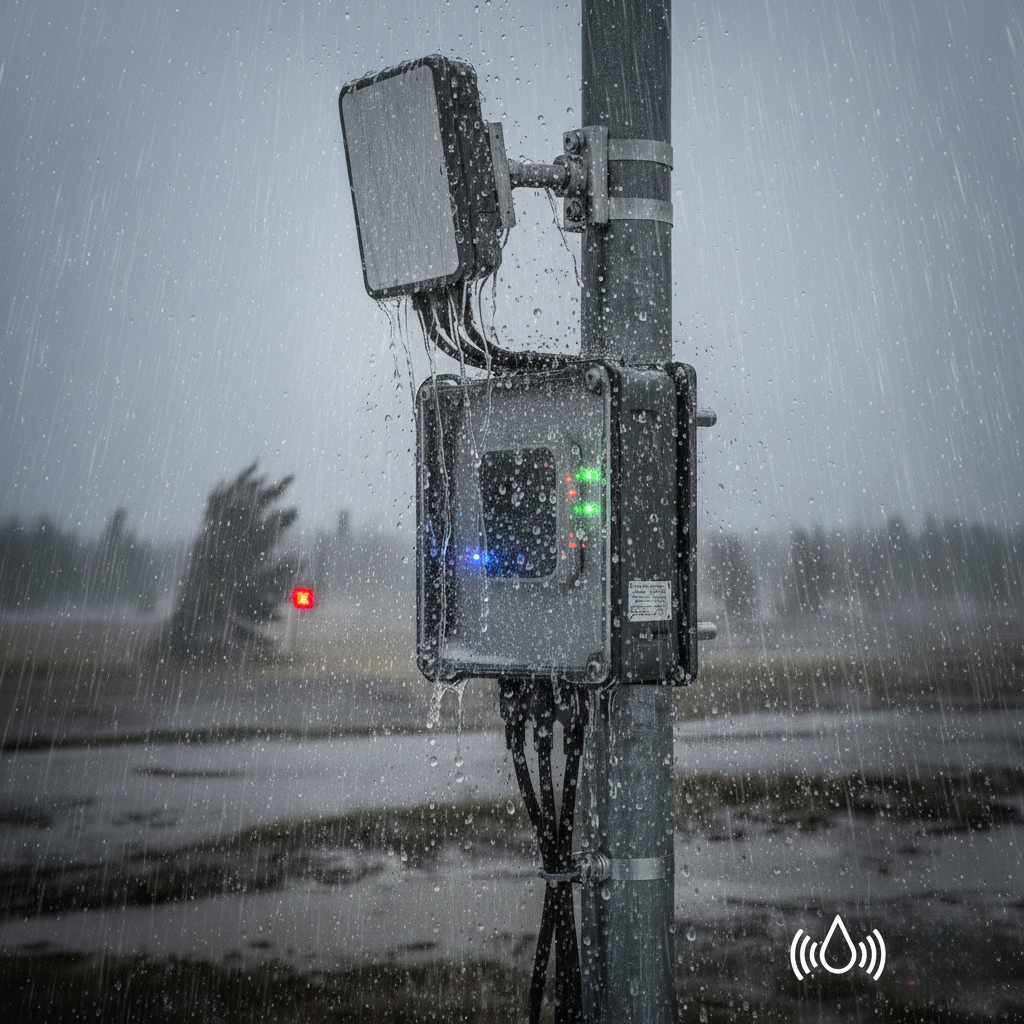
This is a physics problem that you can engineer a solution for. Water molecules vibrate and absorb energy at these frequencies, effectively creating a "curtain" that the signal has to punch through. The denser the rain or snow, the weaker the signal gets. I once worked on a project for a ski resort in the Rockies. They needed to track rental equipment. During heavy snowfall, their initial system's read range dropped by almost 50%. The solution had several parts. First, we increased the reader's output power to the maximum legal limit. Second, we switched to higher-gain, circularly polarized antennas. Circular polarization helps because the signal orientation is constantly changing, giving it a better chance to find a path around snowflakes and water droplets to the tag. Finally, we positioned the readers closer to the checkpoints where skis passed.
Strategies to Overcome Signal Attenuation
| Strategy | Action | Why It Works |
|---|---|---|
| Increase Reader Power | Adjust reader settings to a higher dBm output. | A stronger initial signal has more energy to lose. |
| Use Higher-Gain Antennas | Switch from a 6 dBi to a 9 dBi or 12 dBi antenna. | Focuses the RF energy into a tighter, more powerful beam. |
| Reduce Read Distance | Move the reader and antenna closer to the tags. | Less distance means less water for the signal to pass through. |
| Use Specialized Tags | Look for tags designed for use on wet surfaces. | These "wet inlay" tags are tuned to perform better when water is present. |
What installation and maintenance mistakes should you avoid?
You bought a top-of-the-line IP672 reader, but it still failed after six months. You feel cheated, but the cause might be a simple, overlooked installation mistake.
Common mistakes include using standard indoor cables, poor sealing of cable entries, and mounting the reader flat. These allow water to seep in over time, causing corrosion and failure.
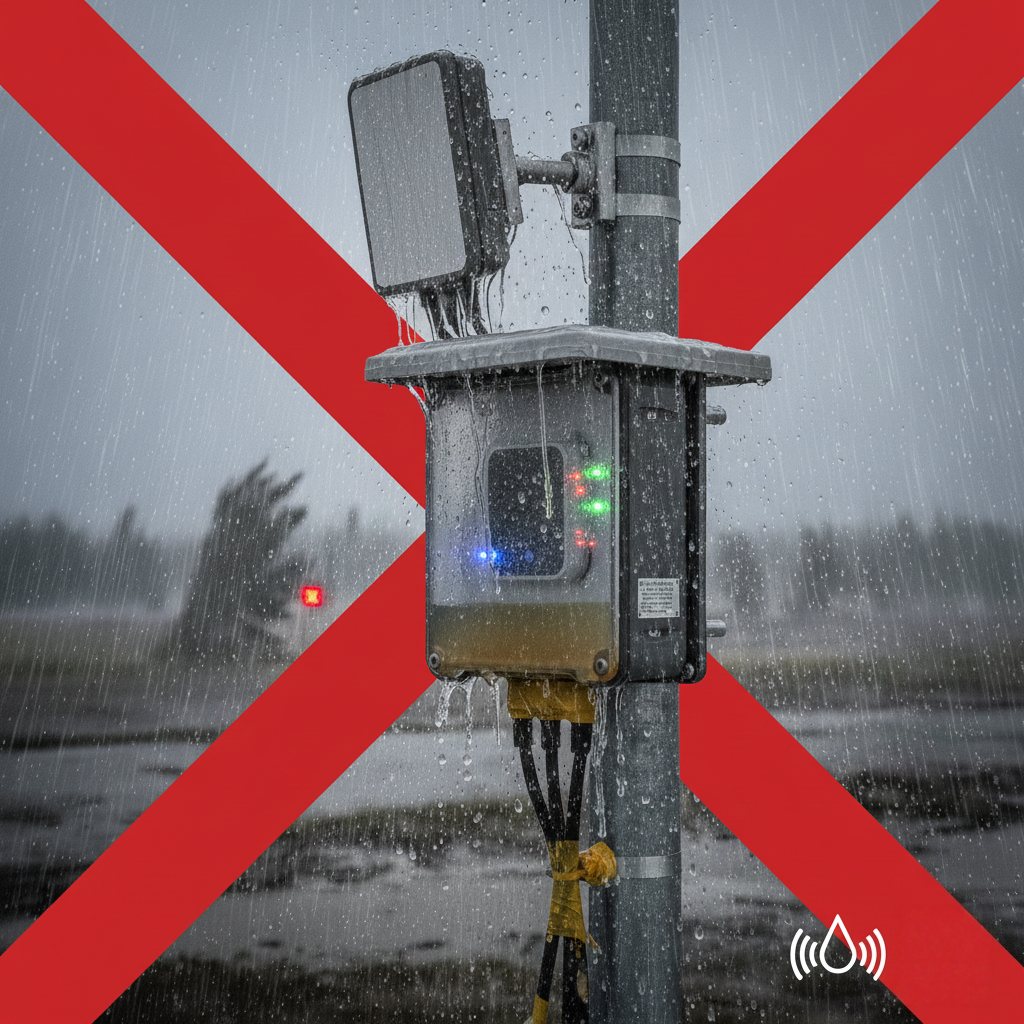
Proper installation is just as critical as the hardware itself. I saw this firsthand with a logistics company in Seattle. Their readers were IP672-rated, but they were failing due to internal condensation, not direct rain. Their installers had mounted the readers perfectly flat and used tight cables. Rainwater would sit on top, and temperature changes would cause condensation inside the housing. We advised them to re-mount the readers at a slight downward angle. This allows water to run off naturally. We also had them add a "drip loop" to the cables—a small U-shaped bend before the cable enters the reader. This small detail ensures water drips off the loop instead of running down the cable and into the connector. Simple fixes like these protect your investment for years.
Installation & Maintenance Best Practices
| Area | Best Practice | Rationale |
|---|---|---|
| Cabling | Use outdoor-rated Ethernet and power cables. Create a "drip loop". | Indoor cables degrade in UV light and cold. The loop prevents water from following the cable into the reader. |
| Mounting | Mount the reader at a slight angle (5-10 degrees). | Encourages water runoff and prevents pooling, reducing the risk of seal failure and condensation over time. |
| Sealing | Apply electronics-grade silicone sealant around cable gland entries. | Provides a secondary, flexible seal against moisture, especially in areas with wind-driven rain. |
| Maintenance | Annually inspect seals, clean the housing, and check connectors for tightness. | Proactive checks can identify potential points of failure before they become a major problem. |
Conclusion
Success in harsh weather is about three things: tough hardware, smart system design, and correct installation. Get these right, and your RFID system will work reliably.
---Understanding IP ratings helps you choose the right equipment for outdoor use and avoid failures. ↩
Understanding the IP67 rating is crucial for ensuring your RFID system withstands harsh weather conditions. ↩
Explore how weatherproof connectors can prevent water damage and ensure consistent performance in outdoor environments. ↩
Learn about the physics behind signal loss in wet conditions and how to mitigate it for better performance. ↩
Discover strategies to optimize antenna settings for improved RFID signal reliability in adverse weather. ↩
Explore the advantages of using durable materials like aluminum alloy for outdoor RFID applications. ↩
Understanding the impact of weather on RFID signals can help you design more resilient systems. ↩