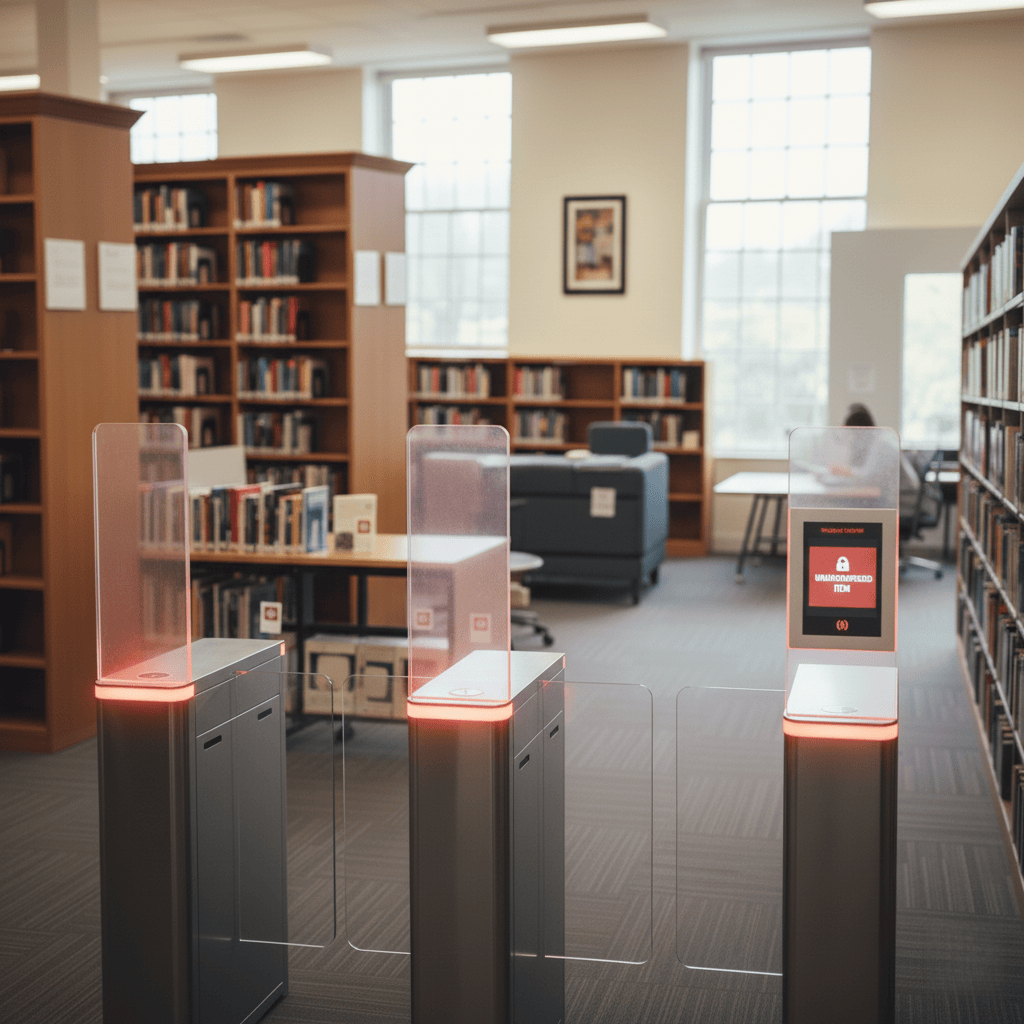
Struggling with slow, error-prone manual library checkouts? Lost books and wasted time are frustrating for everyone. RFID promises a fix, but is the opportunity still there?
The global RFID library market1 has huge potential. It's evolving beyond simple checkouts to include smart shelves2, user analytics3, and integration with digital systems. Growth lies in creating smarter, more efficient library experiences.

I've been an RFID system integrator for over eight years. Many colleagues think the library sector is a solved problem. They see it as just tags and gates. But from my experience, that's a surface-level view. The real story is more complex and, frankly, more interesting. We need to look closer at the specific drivers of growth.
What's pushing libraries to upgrade from barcodes to RFID now?
Are your library clients still dealing with tedious barcode scanning? This outdated method causes checkout queues and inaccurate inventory. New pressures are finally making the upgrade to RFID a necessity.
The push comes from the need for greater efficiency and a better patron experience4. Libraries now compete with digital services. RFID enables self-checkout5, automated returns6, and rapid inventory checks7, freeing up staff for more valuable tasks.

I've seen this shift firsthand. A few years ago, the main selling point was security. Now, it's all about operational improvement8 and user satisfaction. Libraries are not just quiet places for books anymore. They are community hubs9. Their directors need to justify their budgets with real performance metrics. This is where modern RFID systems come in. I remember a project with a community library where their main goal was to reallocate staff time. They were spending hundreds of hours per month just scanning books. After we installed the RFID system with self-checkout5 kiosks and an automated return sorter, their staff could finally focus on running workshops and providing direct help to patrons. This change completely revitalized their community engagement and secured their funding for the next five years.
The Demand for a Better User Experience
Patrons today expect technology to be seamless. They use self-checkout5 at the grocery store and get instant service online. They don't want to wait in line to check out a book. RFID allows for a frictionless experience.
Operational Efficiency is No Longer a Luxury
Library budgets are always tight. RFID automates the most time-consuming tasks. Inventory checks that once took a team a week can be done by one person in a few hours. This frees up staff and reduces operational costs.
The Rise of the 'Smart Library'
RFID provides valuable data. You can see which books are most popular and which sections of the library are used most often. This information helps library managers make smarter decisions about purchasing and layout.
| Feature | Barcode System | RFID System |
|---|---|---|
| Scan Speed | Slow (one by one) | Fast (multiple items) |
| Line of Sight | Required | Not Required |
| Inventory | Manual, time-consuming | Automated, fast |
| Security | Basic | Enhanced (EAS gate) |
| Labor Cost | High | Reduced |
Beyond basic tracking, what new RFID technologies are creating opportunities?
Do you think library RFID is just about security gates? This view misses the most exciting and profitable new trends. Advanced RFID applications are creating entirely new service models for integrators.
The key opportunities are in smart shelves2 for real-time inventory, data analytics platforms10 to track usage patterns, and hybrid systems11 that manage both physical and digital assets. These technologies transform the library.

As an integrator, this is where I get excited. We are moving past simple installations. Now, we are designing intelligent systems. We're now quoting projects that include analytics dashboards as a standard feature. A university library client wanted to understand student traffic flow and resource usage during exam periods. By using a network of readers, we provided them with heat maps showing which study areas and book sections were most popular. This data allowed them to optimize staff schedules and resource placement. These new applications offer higher-margin services and build long-term relationships with clients. It's not just a one-time hardware sale anymore; it's a continuing partnership based on data and system evolution.
Smart Shelves and Automated Inventory
Imagine a library that knows exactly where every single book is, all the time. Smart shelves with built-in readers make this possible. Patrons can use an app to get directions straight to a book.
Data Analytics for Smarter Decisions
Every scan at a checkout kiosk or a security gate is a data point. When you collect and analyze this data, you can uncover powerful insights. This helps libraries serve their communities better.
Integration with Other Systems
The future is integrated. The RFID system needs to talk to the Library Management System (LMS), mobile apps, and even building security. This creates a single, cohesive, and intelligent building environment.
| Application | Traditional RFID | Modern RFID |
|---|---|---|
| Primary Goal | Security & Checkout | Engagement & Analytics |
| Key Hardware | Gates, Desk Readers | Smart Shelves, Mobile Readers |
| Data Usage | Simple transaction logs | Patron behavior analysis |
| ROI Metric | Reduced book theft | Improved resource allocation |
What are the main challenges and how can integrators overcome them?
Worried about the high cost and complexity of a full RFID overhaul? Budget constraints and integration fears can stop a library project. However, a strategic approach makes implementation achievable and successful.
The biggest challenges are initial investment cost and ensuring hardware reliability12. Integrators can overcome these by proposing phased implementations13, choosing durable components from trusted suppliers, and using scalable software platforms for future growth.

I can't stress the quality point enough. Early in my career, I tried to save a client money with cheap tags. It was a disaster. Within a year, about 15% of the tags had failed, causing inventory chaos and frustrating patrons. We had to retag the entire collection on our own dime. That experience taught me a valuable lesson. My reputation as an integrator depends entirely on the reliability of the system I build. A system is only as strong as its weakest link. That’s why I now work with partners like Fongwah. I know their readers are built to last and their tags have a low failure rate. This gives me and my client peace of mind. It’s better to explain a higher initial cost than to explain system failures later.
Managing the Initial Investment
A full RFID rollout can be expensive. A good strategy is a phased approach. Start with checkout desks and security gates. Add automated return sorters next year. Plan for smart shelves2 in phase three.
Ensuring Hardware and Tag Quality
This is critical. A bad batch of tags or a faulty reader can undermine the entire system. You must work with a supplier you trust. Always test samples and check for durability.
Seamless Software Integration
The RFID hardware must communicate perfectly with the library's existing management software. This requires a good Software Development Kit (SDK) and strong technical support from your hardware partner.
| Challenge | Risk | Mitigation Strategy |
|---|---|---|
| High Cost | Project Rejection | Phased rollout, ROI analysis |
| Poor Quality | System downtime, data loss | Vet suppliers, test samples |
| Integration | Software conflicts | Choose partners with good SDKs |
Conclusion
The RFID library market1 is far from saturated. The future is not just about tracking books, but about creating intelligent, responsive, and efficient spaces for modern communities.
---Explore insights on the growth potential and innovations in the RFID library market. ↩
Learn how smart shelves can revolutionize inventory management and enhance user experience. ↩
Discover how user analytics can help libraries make data-driven decisions for better service. ↩
Learn how RFID technology can create a more seamless and enjoyable experience for library patrons. ↩
Find out how self-checkout systems can streamline library operations and improve patron satisfaction. ↩
Understand the technology behind automated returns and their impact on library efficiency. ↩
Find out how RFID technology can significantly reduce the time and effort required for inventory checks. ↩
Learn about effective strategies that libraries can implement for operational efficiency. ↩
Explore the transformation of libraries into vibrant community spaces that engage patrons. ↩
Discover how data analytics platforms can enhance library services and resource management. ↩
Explore the concept of hybrid systems and their benefits for managing physical and digital assets. ↩
Understand the importance of hardware reliability in ensuring the success of RFID implementations. ↩
Discover how phased implementations can make RFID upgrades more manageable and cost-effective. ↩