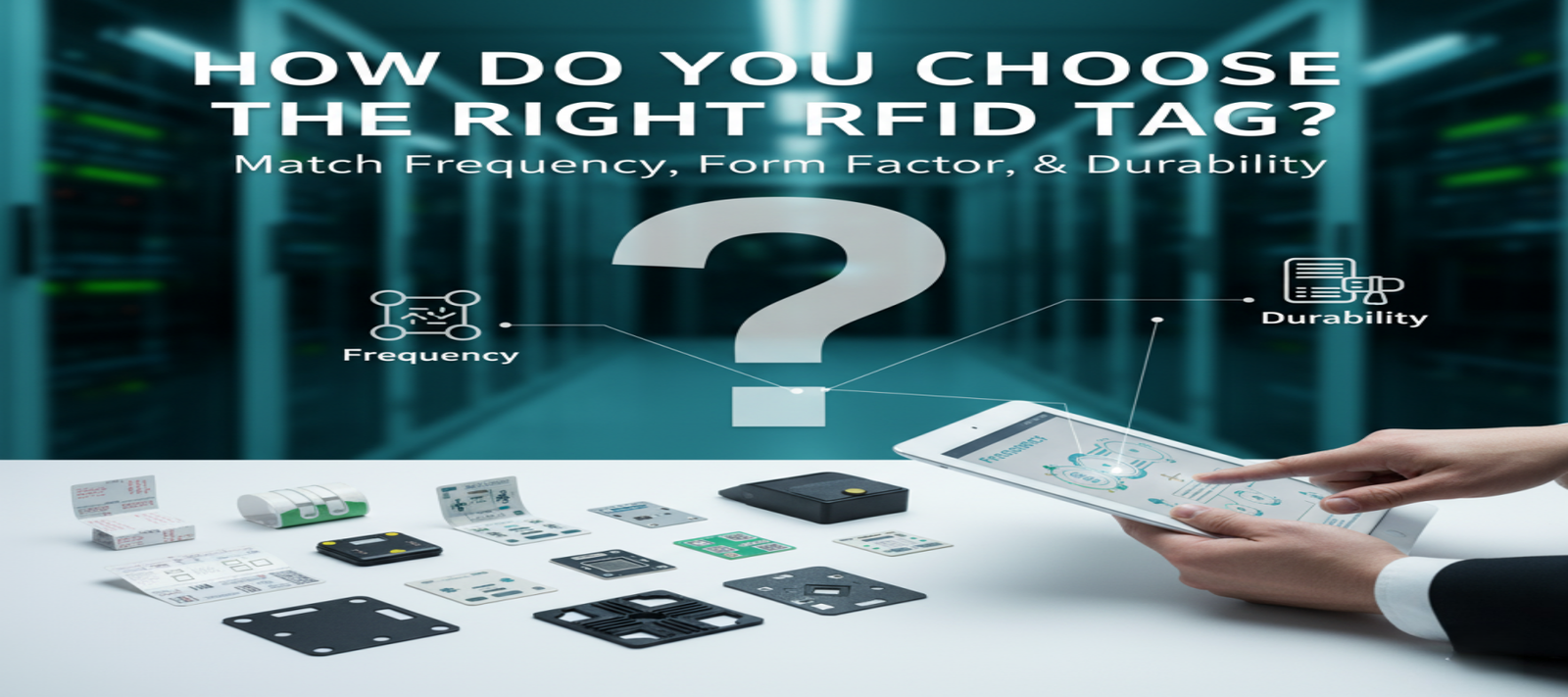
Choosing the wrong RFID tag1 creates massive headaches. Your entire project could fail, costing you time and money. A clear process helps you select the perfect tag every time.
To choose the right RFID tag1, you must match its frequency2, form factor3, and durability4 to your specific application and environment5. Selecting a knowledgeable and experienced manufacturer as a supplier is equally critical for support and quality assurance.
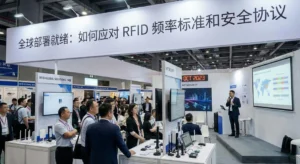
<sup id=](https://fongwahrfid.net/wp-content/uploads/2025/10/How-to-choose-the-right-RFID-tag-2.png%22) 1s for different applications" />
1s for different applications" />
I've been a system integrator for 15 years. I've seen it all. I once worked on a large-scale warehouse project where we almost deployed 100,000 tags that were completely wrong for the client's metal shelving. That single mistake could have bankrupted the project. The technical specifications on a datasheet are just the start. You must dig deeper. Let me walk you through my process.
What RFID Frequency Does Your Project Need?
You need to scan your items, but the read range is terrible. The tags simply don't respond consistently. This common problem is often caused by a simple frequency2 mismatch.
To solve this, you must match the RFID frequency2 to your goal. Use Low Frequency (LF) for short-range needs like access control. Use High Frequency (HF) for item-level data. Use Ultra-High Frequency (UHF) for long-range logistics6.
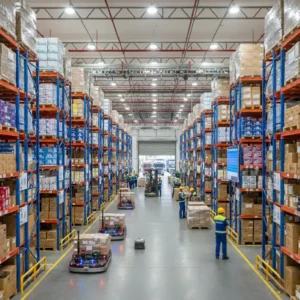
<sup id=](https://fongwahrfid.net/wp-content/uploads/2025/10/How-to-choose-the-right-RFID-tag-3.png%22) 2 waves diagram" />
2 waves diagram" />
Choosing the right frequency2 is the very first step. It defines the physics of your entire system. I remember a project for tracking valuable medical equipment within a hospital. My initial thought was UHF for its long-range capabilities. But during testing, we found that the high liquid content7 in the environment5 and the need for very precise "check-in/check-out" at stations made UHF unreliable. We switched to HF tags. Their shorter, more controlled read range was perfect. This change saved the project. Each frequency2 has its place. You must understand their strengths and weaknesses before you commit to a tag. Also remember that UHF has different standards depending on the region, like the FCC in the US and ETSI in Europe. A good supplier can guide you on this.
Frequency Comparison
| Feature | Low Frequency (LF) | High Frequency (HF) | Ultra-High Frequency (UHF) |
|---|---|---|---|
| Frequency | 125-134 kHz | 13.56 MHz | 860-960 MHz |
| Read Range | Very short (up to 10 cm) | Short (up to 1 m) | Long (up to 12 m) |
| Interference | Low | Moderate | High |
| Best Use | Access control, animal ID | Payments, library books | Logistics, inventory |
How Does the Tag's Environment Affect Performance?
Your tags worked perfectly in a clean lab. But when you deploy them on the factory floor, they fail. The operating environment5 is killing your signal and destroying your project’s reliability.
Your tag’s performance is directly tied to its environment5. Metal surfaces require special on-metal tags8 to prevent interference. Liquids can absorb radio waves. You must also consider temperature, moisture, and potential for physical damage.
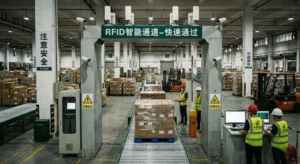
<sup id=](https://fongwahrfid.net/wp-content/uploads/2025/10/How-to-choose-the-right-RFID-tag-4.png%22) 1 on a metal container in a factory" />
1 on a metal container in a factory" />
I learned this lesson the hard way while designing a system for a tool manufacturing company. They wanted to track metal tool kits as they moved through production. We initially tried standard UHF labels. It was a complete disaster. The read rate was less than 20% because the metal cases reflected the RF signals, making the tags unreadable. The solution was a specific type of tag: a hard, on-metal RFID tag1. These tags have a special foam or air gap that isolates them from the metal surface, allowing the signal to propagate correctly. The read rate jumped to 99%. The tag’s housing is just as important. For a project tracking concrete assets outdoors, we needed tags that could withstand rain, extreme heat, and being dropped. A simple paper label would never work. We chose an ABS hard tag with an IP68 rating9.
Environmental Challenges and Solutions
| Surface/Condition | Challenge | Recommended Tag Solution |
|---|---|---|
| Metal | Signal reflection and detuning | On-metal / Anti-metal tags |
| Liquids | Signal absorption | Tags with specific placement |
| High Temperature | Tag damage, inlay failure | High-temperature resistant tags |
| Physical Impact | Crushing, abrasion | Durable hard tags (ABS, PC) |
Why Is Choosing the Right Supplier as Important as the Tag Itself?
You found very cheap tags from an online store. But when you need technical support10, nobody answers the phone. Your project is stalled, and you own thousands of useless tags.
A great supplier is a partner, not just a seller. A true manufacturer offers better prices, direct quality control, and deep technical knowledge. They can provide samples and even customize tags. A simple reseller cannot offer this level of service.
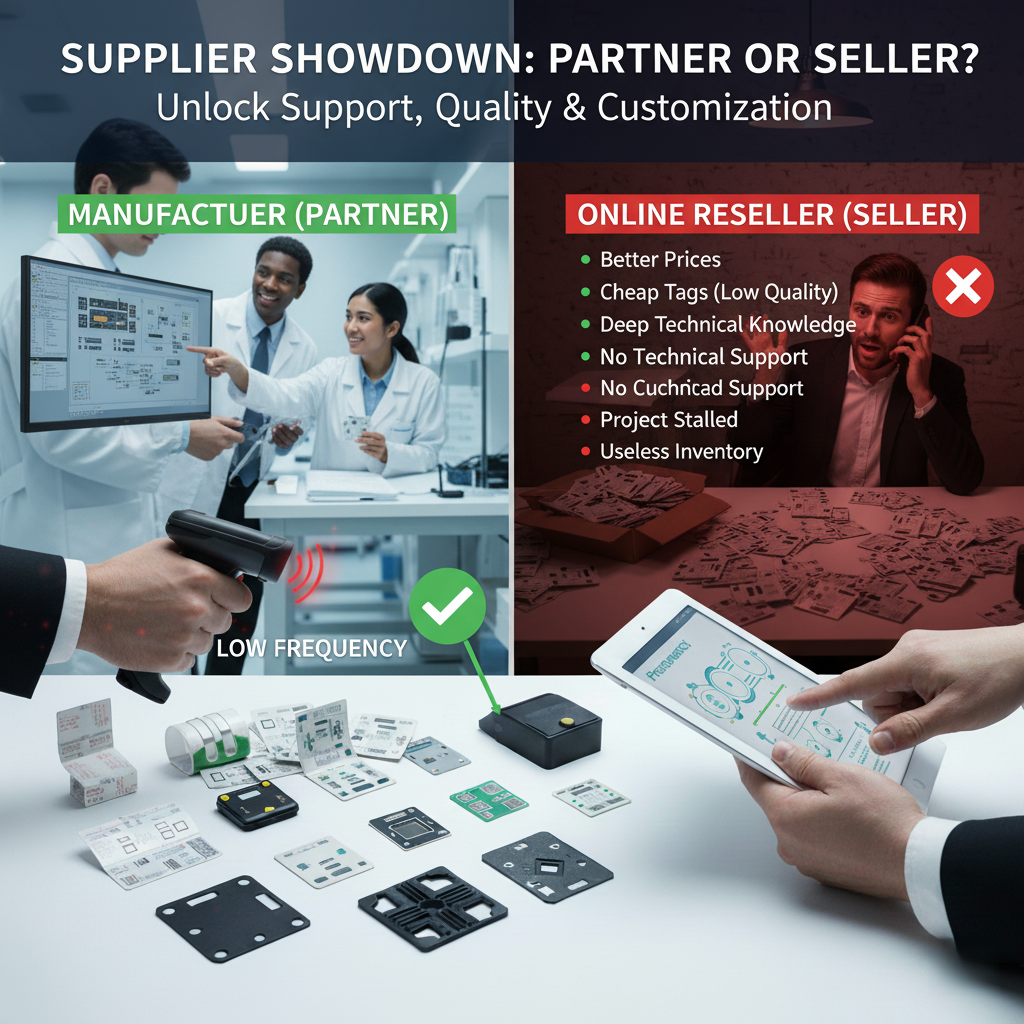
I only work with manufacturers now. Years ago, a reseller sold me a batch of tags for a logistics6 client. Halfway through deployment, we discovered a 10% failure rate. The reseller had no answers and couldn't replace them quickly. We lost weeks of work and the client's trust. I then reached out to a manufacturer, Fongwah. Their team didn't just sell me tags. They asked about my project, the reader I was using, and the environment5. They sent me several types of samples to test, all for free. They explained why one tag was better than another for my specific need. Their experience was obvious. When we placed a large order, the quality was consistent. This is the difference. A manufacturer has a reputation to protect and decades of experience to draw upon. They are invested in my success.
Manufacturer vs. Reseller
| Factor | Manufacturer (e.g., Fongwah) | Online Reseller |
|---|---|---|
| Technical Support | Expert, direct from engineers | Limited or none |
| Pricing | More competitive on volume | Higher, includes markup |
| Quality Control | Direct oversight, consistent | Varies by batch, uncertain |
| Customization | Yes, can create custom solutions | No, sells off-the-shelf only |
| Experience | Deep industry knowledge | Often just sales-focused |
Conclusion
Choosing the right tag is simple if you are systematic. Match the frequency2 and tag type to your environment5. And most importantly, partner with an experienced manufacturer. This ensures success.
---Explore this resource to understand the critical factors in selecting the right RFID tag for your project. ↩
Learn about the importance of matching RFID frequency to your application for optimal performance. ↩
Discover how the form factor of RFID tags can impact their effectiveness in various environments. ↩
Find out why choosing durable RFID tags is essential for long-term project success. ↩
Understand how different environments can impact RFID tag functionality and reliability. ↩
Explore the best RFID solutions tailored for logistics to enhance efficiency and accuracy. ↩
Learn about the challenges of using RFID tags in environments with high liquid content. ↩
Explore the benefits of on-metal tags for applications involving metal surfaces. ↩
Discover the significance of IP68 ratings in ensuring RFID tag durability in harsh conditions. ↩
Find out how reliable technical support can save your project from potential failures. ↩