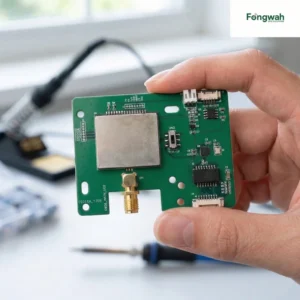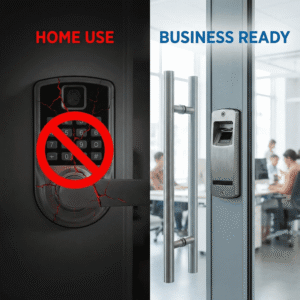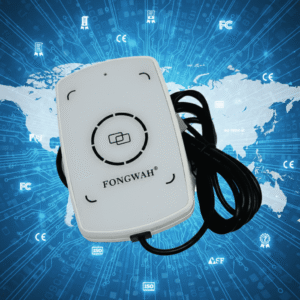

Importing electronic hardware involves significant risks regarding compliance and legal regulations. You might face customs seizures or lawsuits if your products interfere with local radio networks. You need a partner who understands these international boundaries to protect your business.
Navigating security standards requires strict attention to regional frequency allocations (FCC vs. CE) and adherence to ISO data protocols. Global distributors must source hardware that offers adjustable frequency ranges and robust encryption capabilities to meet the diverse [Scope Of RFID Systems In Security Measures](https://nfc-forum.org/news/2024-10-nfc-and-the-dpp-a-vision-for-the-future-of-sustainability/)1 across different markets.
I have worked in the RFID industry for five years. I have seen containers of goods get stuck at ports because they lacked a simple certification sticker. It is a nightmare for a distributor. You promise your clients a delivery date, but the government holds your stock. This destroys trust. I want to help you understand what you need to look for so this never happens to you. We will discuss frequencies, data security, and the importance of proper documentation.
Why do frequency standards matter so much for international imports?
If you sell a US-frequency reader in Europe, it is illegal. It interferes with mobile networks and emergency services.
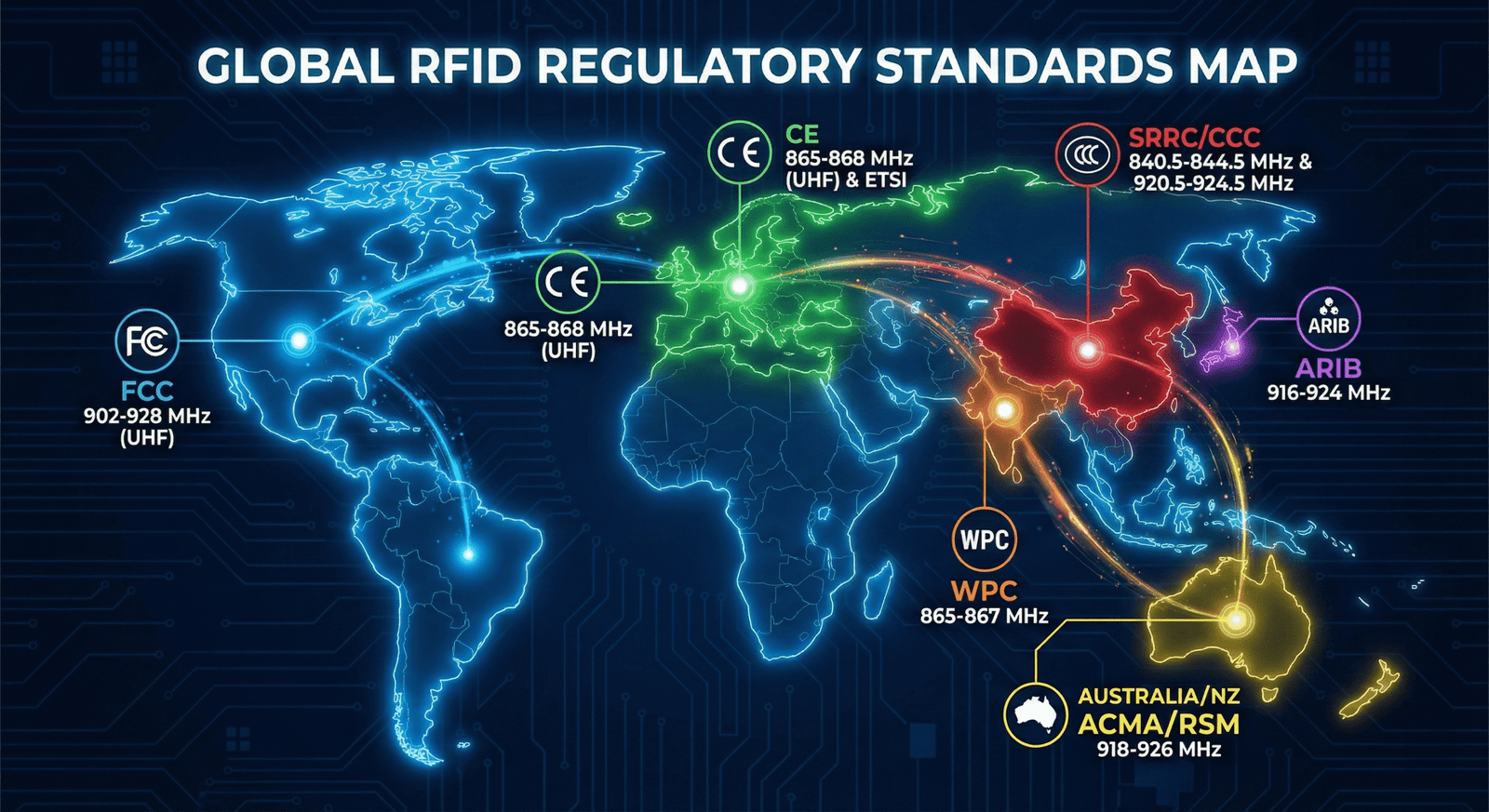
You must ensure your RFID tags and readers operate within the specific bands allocated by the local government, such as 865-868 MHz for the EU and 902-928 MHz for the US, to ensure legal compliance and optimal performance.
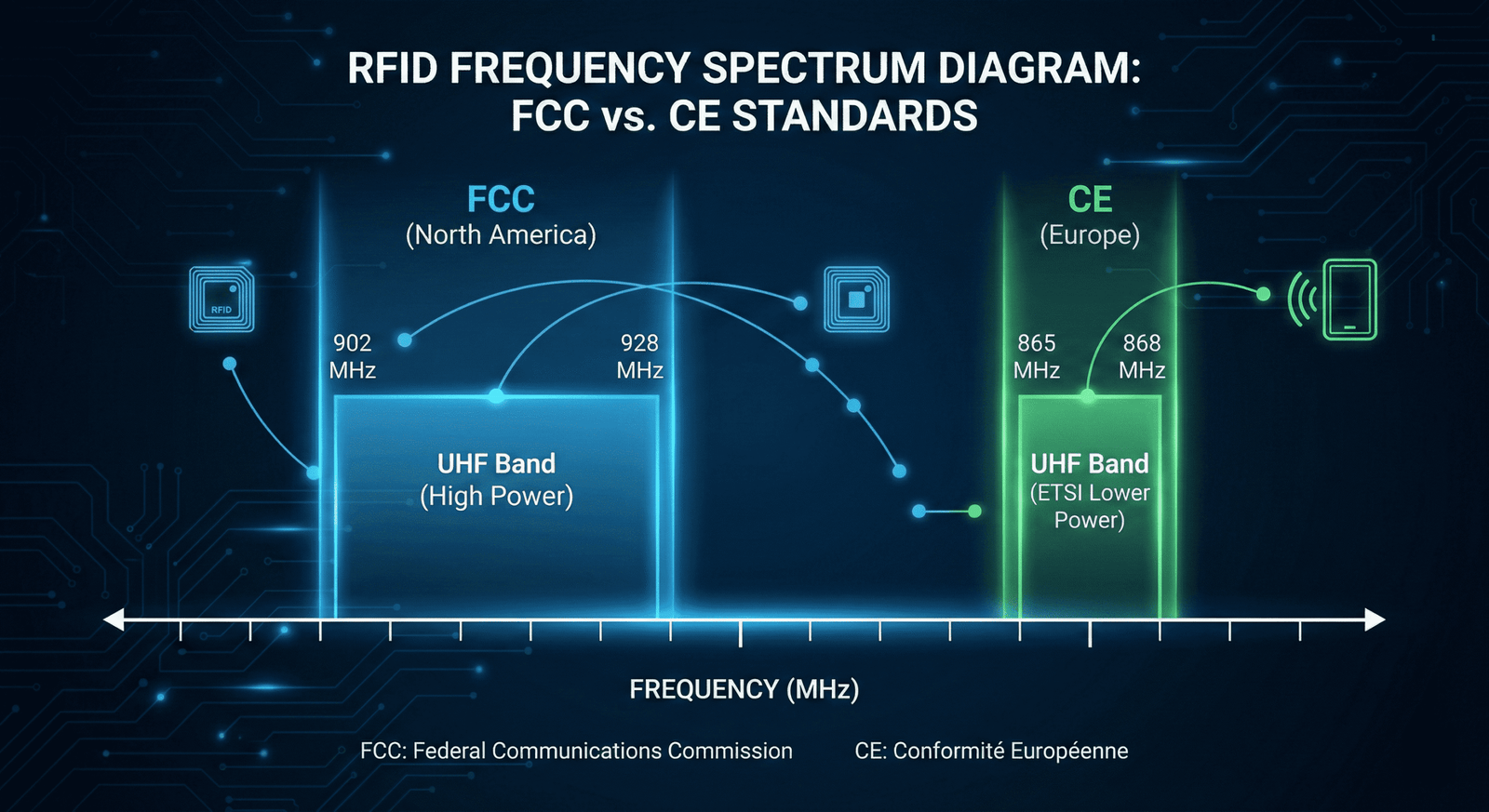
When I started as a production line operator, I did not understand why we had different antennas for different countries. They looked the same. But I learned quickly that the internal tuning is very different.
In the world of UHF (Ultra High Frequency) RFID, the world is divided. If you are in North America, you follow FCC rules. The range is roughly 902 to 928 MHz. If you are in Europe, you follow ETSI rules (CE standard). The range is lower, usually 865 to 868 MHz. Japan and China have their own specific slices of the spectrum too.
If you import a fixed-frequency reader designed for China and try to sell it in Germany, it might work physically. But it is breaking the law. It creates "noise" for other devices. At Fongwah, we solve this for our distributors. We manufacture wide-band readers.
We design our hardware to be adjustable. Through our software, you can set the region. This means you can stock one type of hardware and sell it to multiple countries. You just configure it before shipment or let the integrator do it. This reduces your inventory risk. You do not need to keep separate piles of stock for the US and the EU.
Here is a quick look at why this matters for your logistics:
| Region | Standard | Frequency Range | Risk of Non-Compliance |
|---|---|---|---|
| USA / Canada | FCC | 902 - 928 MHz | Heavy Fines / seizure |
| Europe | ETSI (CE) | 865 - 868 MHz | Interference with Telecom |
| China | SRRC | 920 - 925 MHz | Regulatory penalties |
| Global (Fongwah) | Adjustable | 860 - 928 MHz | Safe / Compliant |
Importing RFID hardware requires strict adherence to local regulations. As an experienced OEM manufacturer, Fongwah ensures all our readers—from desktop USB writers to wall-mounted access controllers—are compliant with CE and FCC regulations, simplifying your customs clearance and local certification process.
How can you ensure the Scope Of RFID Systems In Security Measures remains uncompromised?
Hardware is only as good as its defense against hacking. If your readers allow easy card cloning, your reputation as a security provider will crumble.
You must prioritize readers that support advanced encryption and secure key management. Expanding the Scope Of RFID Systems In Security Measures means moving beyond simple serial number reading to using encrypted memory sectors that prevent unauthorized duplication.
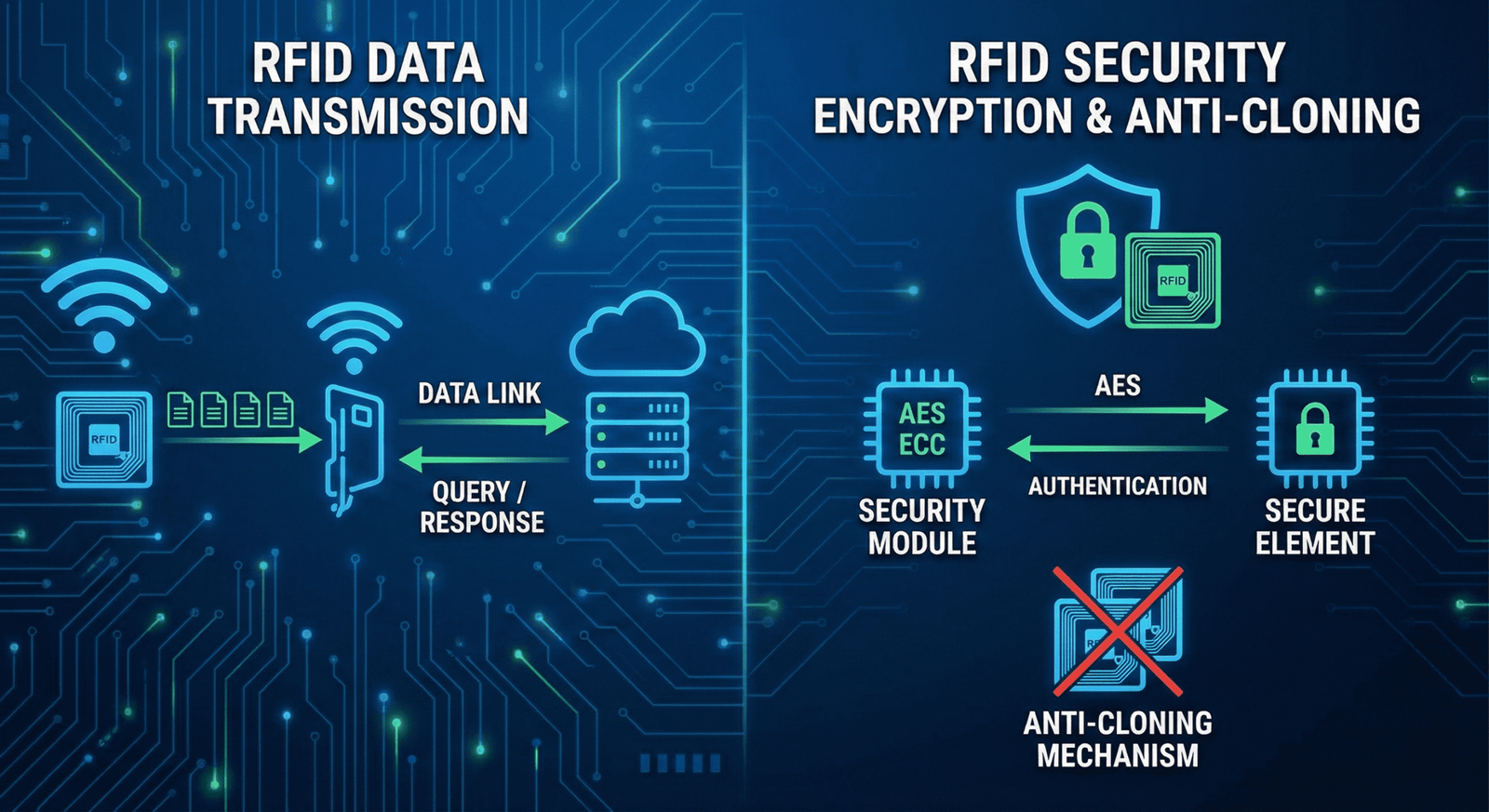
I often talk to system integrators who are scared. They see videos on the internet of people copying access cards in 5 seconds. This is real. It happens with old technology like 125 kHz Proximity cards or unencrypted Mifare UID reading.
As a distributor, you need to educate your customers. You need to sell them protection, not just plastic. The "Scope" of a security system is not just locking the door. It is ensuring the key cannot be forged. At Fongwah, we focus on standards like ISO 14443A and ISO 15693. But more importantly, we support the encryption features of chips like Mifare DESFire or Ultralight.
Our readers allow you to write specific keys into the card's sectors. Even if someone reads the card, they see garbage data without the key. Another critical aspect is the RFID Access Control password reset function. Many cheap readers come with a default master password. Installers often forget to change it. Hackers know these defaults. We design our devices to be secure. If an administrator loses their password, the reset process is strict. It prevents a malicious actor from simply walking up to the device, resetting it, and taking control.
When you choose a supplier, ask them:
- Do you support sector encryption?
- How do you handle firmware updates?
- Is the communication between the reader and the controller encrypted (like OSDP)?
If they cannot answer these questions, do not import their products. You will be liable when a breach happens. We provide the tools for developers to implement these high-security layers easily.
Why is a comprehensive RFID Access Control Manual pdf the sign of a reliable partner?
Many products from overseas arrive with no instructions or manuals written in poor English. This makes installation impossible and increases your customer support costs.
A detailed RFID Access Control Manual pdf and a complete SDK are essential for smooth integration. These documents empower your clients to install the system correctly without constantly calling you for help, saving you time and money.

I remember my early days as a technician. I received a box of readers from a supplier. There was no paper inside. I looked online. I found nothing. I spent three days trying to guess the wiring. I was furious. I swore I would never buy from that brand again.
Now that I am in marketing at Fongwah, I make sure we never do this to you. A product is not finished until the documentation is done. For a distributor, documentation is your first line of defense. When you sell a reader, your customer (the installer) needs to know the pinout diagram. They need to know the command set for the serial port.
If you buy from a "cheap" factory, you get the hardware only. You save $5 on the device, but you spend $500 on support calls because your client cannot make it work. We provide a complete package.
- The Hardware: Solid and tested.
- The SDK: Software Development Kit with examples in C#, Java, and Python.
- The Manual: A clear RFID Access Control Manual pdf that explains every feature.
This is vital for system integrators who build custom software. They need to know exactly how to send a command to beep the buzzer or light up the LED. Our manual explains the protocol bytes clearly. For example, if you need to perform an RFID Access Control password reset or change the baud rate, the steps are written down.
We also update our documents. Technology changes. Windows updates. Android updates. We keep our SDKs current so your stock does not become obsolete. By providing professional documentation, you position yourself as a premium distributor. You are not just moving boxes; you are providing a solution. This is how you win against competitors who only fight on price.
Frequently Asked Questions
Q: My datasheet says the reader supports "860-928 MHz". Can I sell it globally?
A: No. "860-928 MHz" refers to the hardware's wideband capability, but local laws are strict. You must order units with firmware locked to the specific local frequency (e.g., 902-928 MHz for FCC in the US, or 865-868 MHz for ETSI in Europe) to avoid interfering with local cellular networks and facing legal penalties.
Q: Do Fongwah readers come with valid FCC and CE certification marks?
A: Yes. As an OEM manufacturer for global markets, our readers feature laser-etched or labeled regulatory marks (FCC, CE, RoHS) on the device housing. We also provide the full test reports and Declaration of Conformity (DoC) documents required for customs clearance.
Q: Which ISO standard offers the best security for access control projects?
A: For high security, we recommend ISO 14443A (used in NFC and MIFARE® DESFire cards) because it supports advanced encryption. Older 125kHz proximity cards are easier to clone and are better suited for low-security applications like gym memberships.
Conclusion
To succeed as a global distributor, you must look beyond the hardware price. You must ensure FCC/CE compliance, insist on data encryption capabilities, and demand complete technical documentation. Fongwah delivers on all three.
Understanding the scope helps ensure your RFID systems are effective and secure against threats. ↩