For system integrators and software companies, bundling commercial off-the-shelf (COTS) RFID hardware often means sacrificing up to 40% of project margins to big-brand premiums. Switching to white-label OEM RFID readers allows integrators to bypass these markups, customize firmware directly at the factory level, and build a proprietary hardware ecosystem.
You sell a brilliant, high-margin software solution, but to win the contract, you are forced to bundle it with overpriced, big-brand RFID hardware. Suddenly, you aren't just an integrator; you are funding another company's global marketing budget, sacrificing your own profit to put their logo on the wall.
The true cost of an RFID deployment isn't the silicon—it's the distribution channel. By sourcing OEM RFID modules and readers directly from an experienced manufacturer, you eliminate the middleman. Let's explore how to stop bleeding engineering hours on rigid, off-the-shelf devices and start engineering profit back into your integration projects.
Let's stop funding massive hardware marketing budgets and start engineering profit back into your integration projects.
Big-Brand vs. White-Label RFID Readers: Impact on Software Margins
Integrators mistakenly believe clients demand name-brand hardware. In reality, the client only cares if the software dashboard updates accurately. They don't care whose logo is on the plastic shell.
Bundling commercial brands inflates your total proposal cost, making you less competitive. Switching to white-labeled OEM hardware allows you to control the pricing tier, double your hardware margin, and lock the client into your proprietary ecosystem.
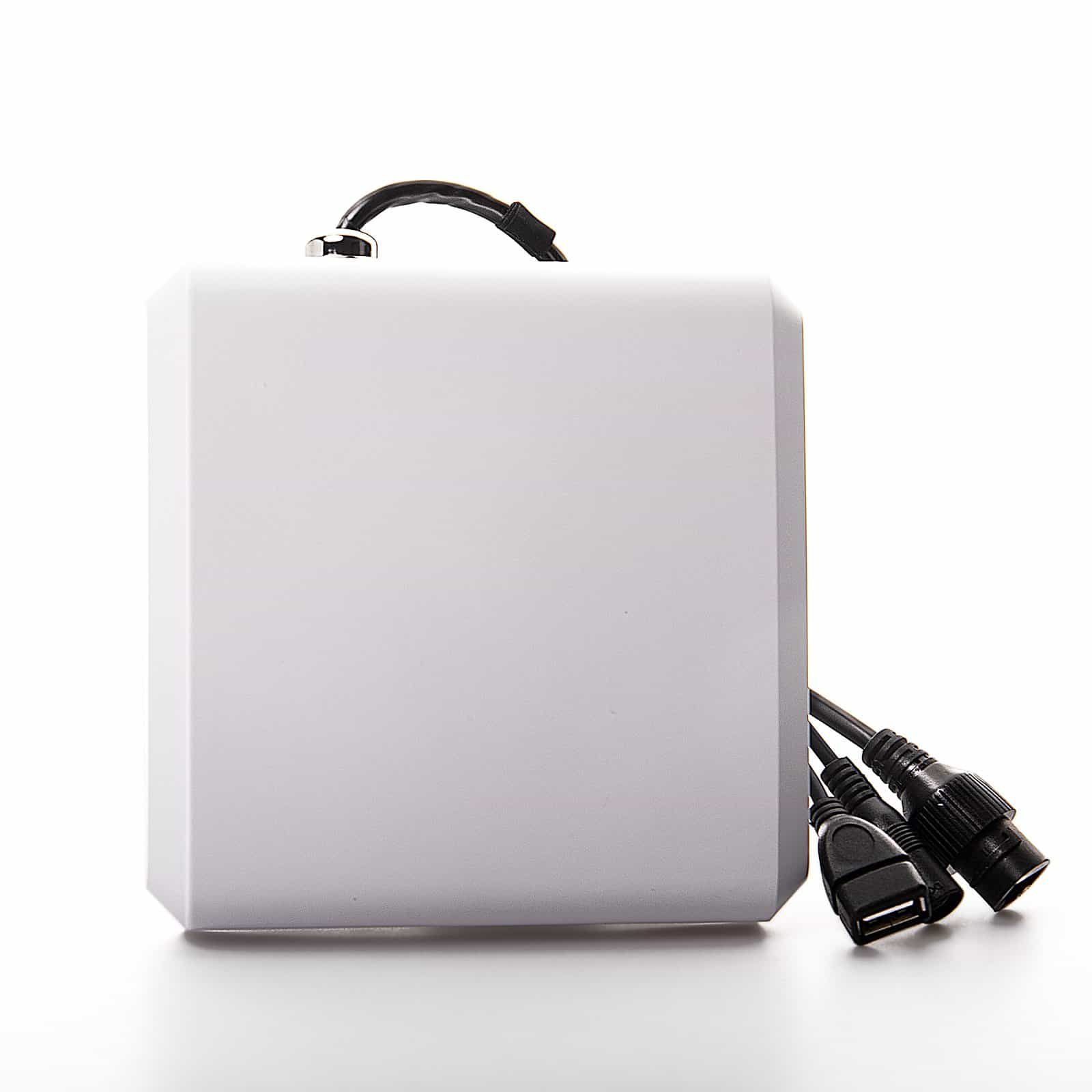
William, you know the drill. You bid on a massive warehouse management system. Your software license is highly profitable. But the client needs 50 read points. You quote them $1,500 per big-brand portal reader. Suddenly, the hardware costs more than your software, and the CFO rejects the entire project.
The true cost of an RFID reader isn't the silicon; it's the distribution channel. When you buy from a massive brand, you are paying for their global sales VPs and Super Bowl ads.
As a software company, your goal is to deploy nodes as cheaply as possible to expand your software footprint. By partnering with Fongwah for OEM manufacturing, we provide the core engine.
Integrating the U8 UHF OEM RFID Module for Hardware Lock-In
Instead of buying a finished box, you integrate our U8 UHF Module directly into your own custom gateway.
- The Specs: It delivers 500 reads/sec, features 4 SMA ports, and boasts an ultra-sensitive -80dBm receive floor.
- The Play: You put this module in your own enclosure. You print your company's logo on it. You flash it with your initialization protocol.
Now, it's not a generic reader; it is your proprietary hardware. When the client wants to expand, they must buy the hardware from you, at your defined margin.
| Strategy | Big-Brand COTS Hardware | Fongwah OEM Integration (U8 Module) |
|---|---|---|
| Hardware Margin | 10% - 15% (Distributor cut) | 40% - 60% (Direct from factory) |
| Brand Visibility | Their logo on the wall | Your logo on the wall |
| Client Lock-In | Low (Can buy hardware anywhere) | High (Proprietary ecosystem) |
Trading Companies vs. True Manufacturers: Who Controls the Supply Chain?
Sourcing from Alibaba feels cheap until your supplier ghosts you mid-project because their "partner factory" discontinued the chipset. A broken supply chain kills software deployments.
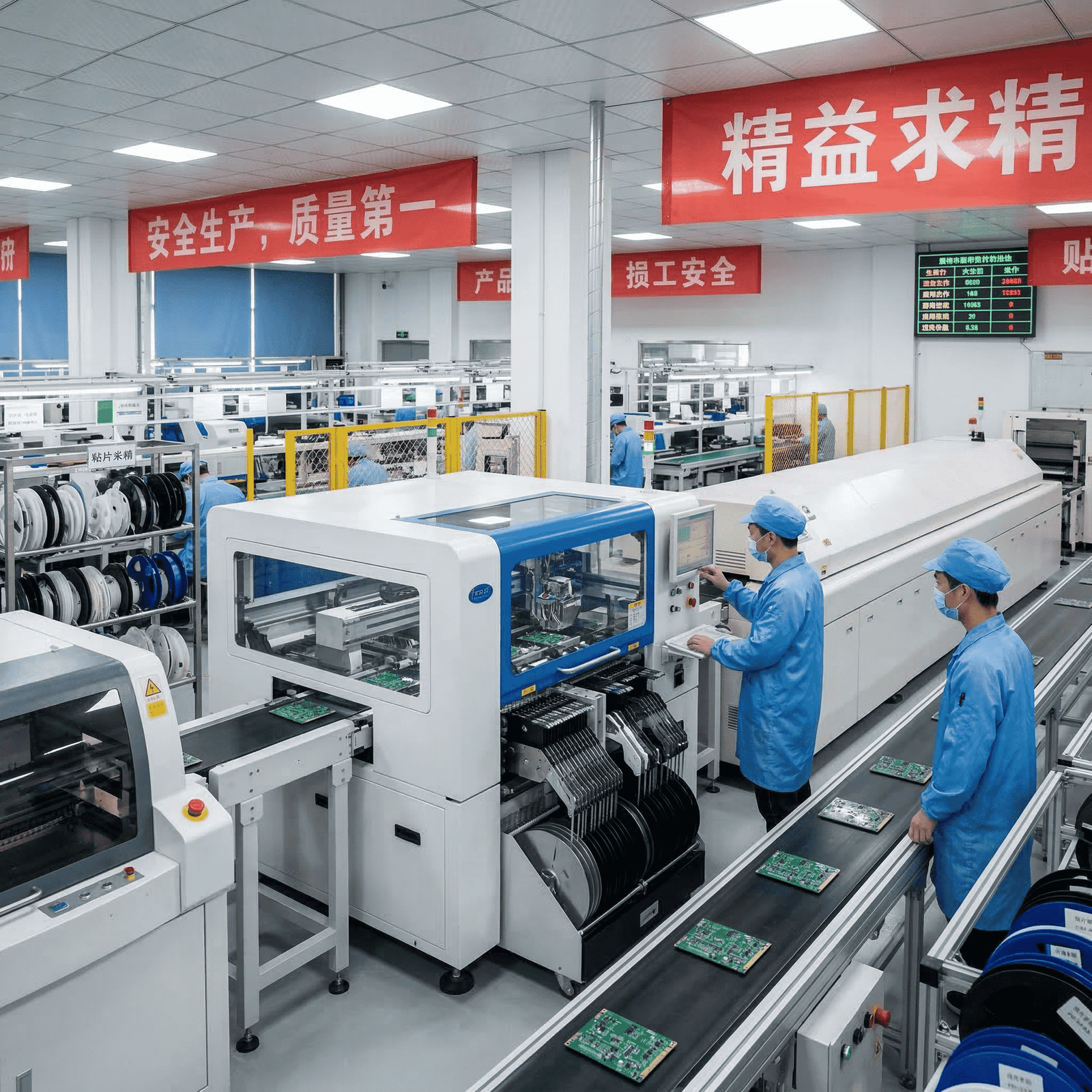
You must audit your supplier's manufacturing capability. A true factory controls the PCB layout, component sourcing, and assembly line. This guarantees stable revision control, meaning the reader you buy in 2026 behaves exactly like the one you buy in 2029.
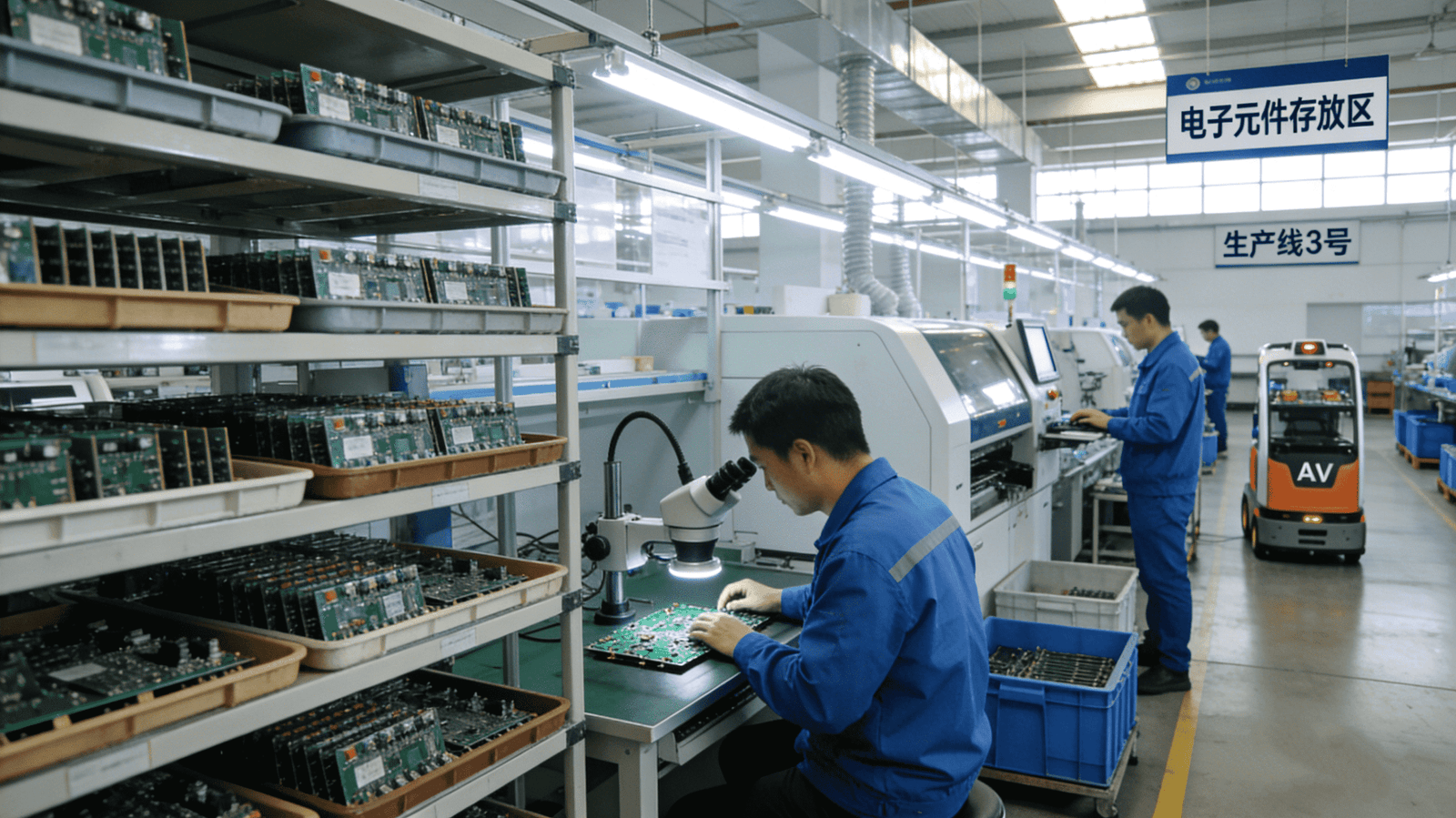
This is where the "cheap hardware" roulette destroys integration firms. William, I started on the production line. I know the difference between a trading company flipping generic plastic boxes and a factory engineering a circuit.
When you buy from a trader, they change internal components based on what's cheapest that month. You deploy a system, and six months later, you order 50 more units. Suddenly, your C# application crashes because the new batch uses a slightly different, undocumented UART bridge.
BOM Control and CE/FCC Certification in RFID Manufacturing
At Fongwah, we have been manufacturing since 2005. We don't just assemble; we engineer. If you specify the U6-NE-01 (which supports USB, Serial, and RJ45 with up to 8m range), we lock in that Bill of Materials (BOM). Your code will never break because of a silent hardware revision.
Furthermore, you cannot scale globally without strict compliance. A trading company's "CE mark" is often a Photoshop job. We invest heavily in real CE, RoHS, Red, TELEC, and FCC certifications (including strict LBT compliance). If your client deploys your software in Europe or Japan, our hardware won't get seized at customs. This is the structural trust you need to scale.
| Sourcing Channel | Component Stability | Certification Validity |
|---|---|---|
| B2B Trading Platform | High variance (Monthly BOM changes) | Unverified / Fake Marks |
| Fongwah (20-Year Factory) | Locked BOM (Revision Control) | Verified CE, FCC, TELEC, RoHS |
Customizing OEM RFID Firmware and Communication Interfaces
Off-the-shelf readers force your software to adapt to their rigid hardware limitations. You end up writing messy middleware just to translate data formats or handle unsupported network protocols.
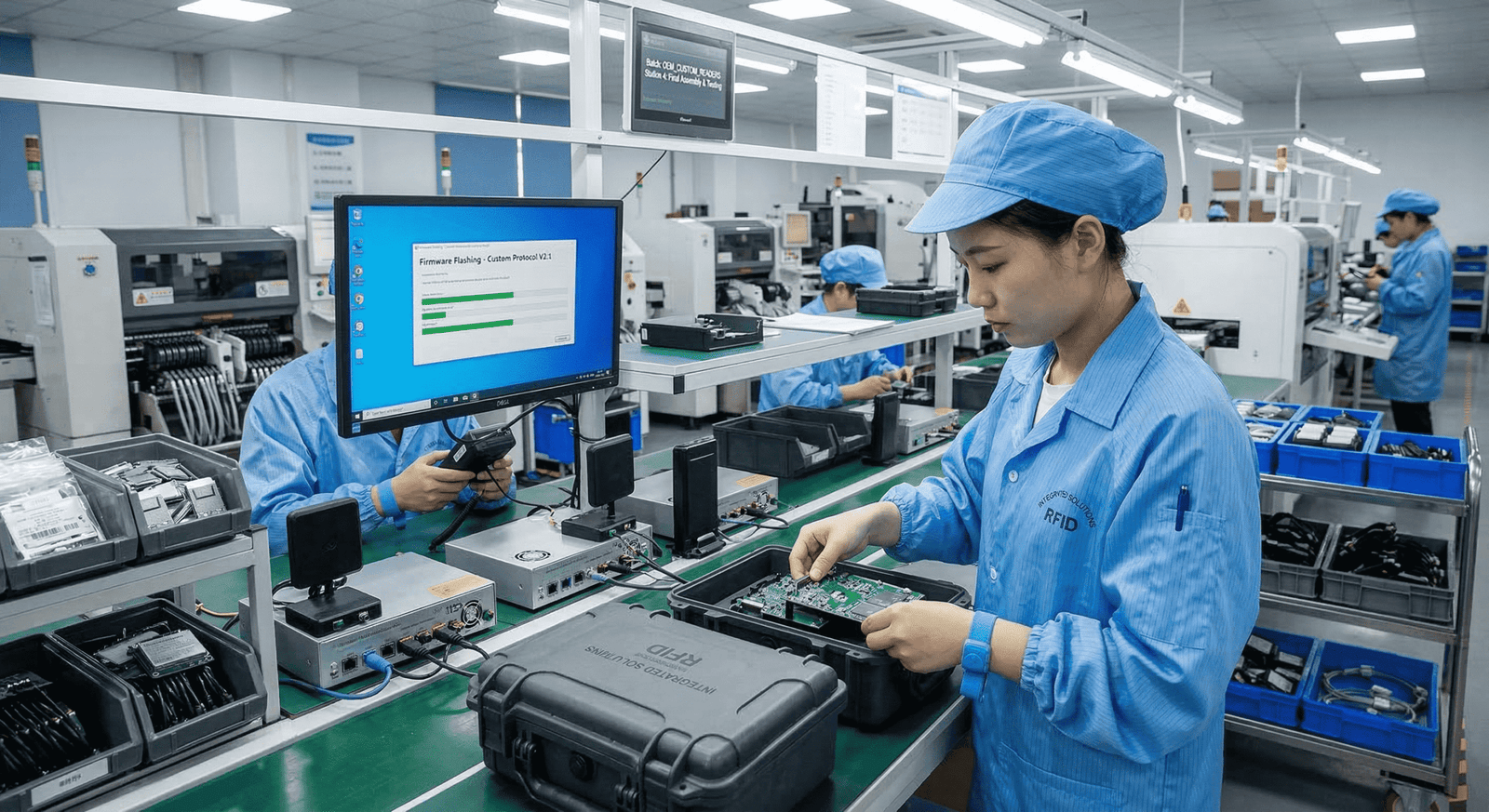
True OEM partnership means hardware adapts to software. Whether you need a specific baud rate, a custom Wiegand output, or a tailored data string, modifying at the factory level creates a seamless, plug-and-play installation for your field technicians.
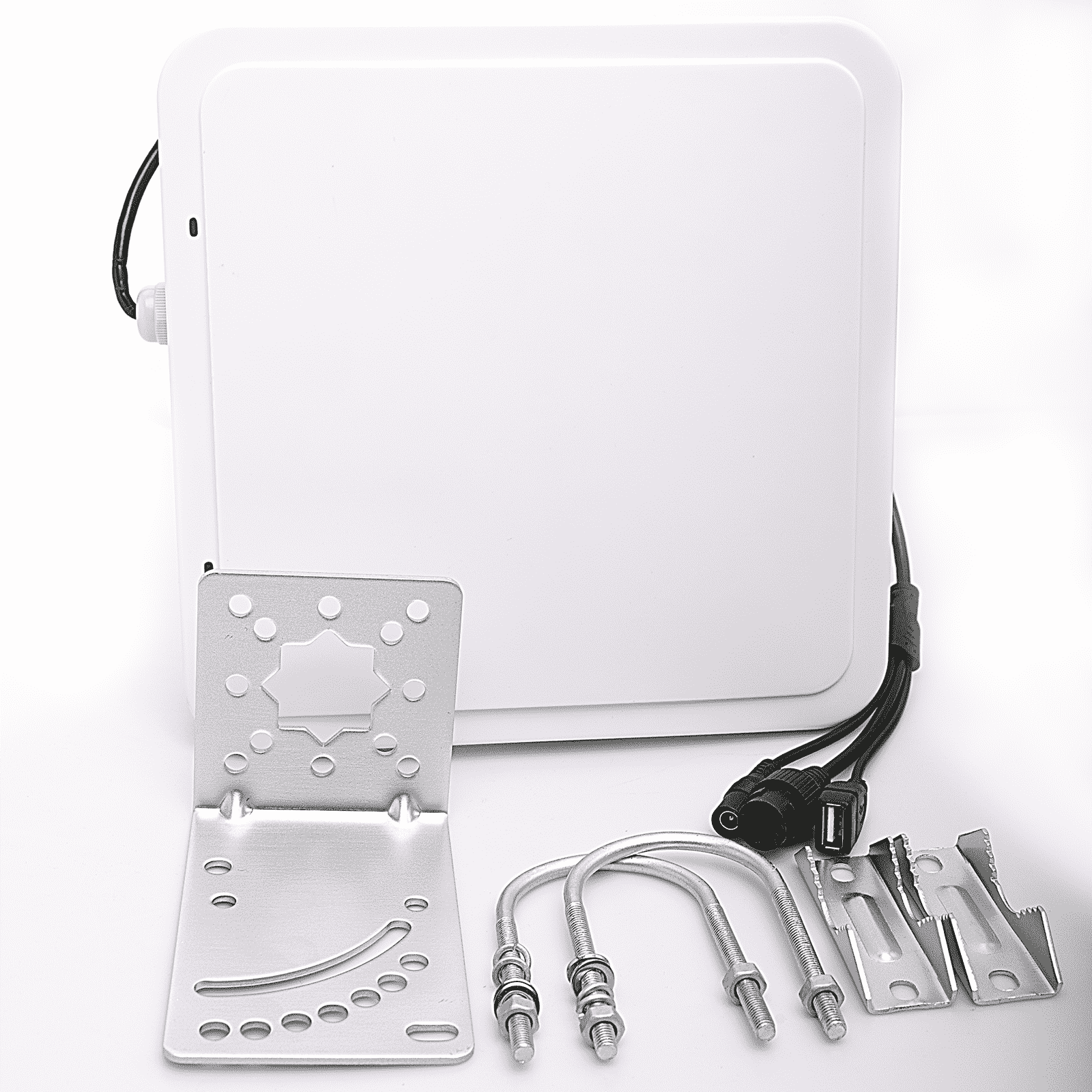
Stop reverse-engineering garbage API documentation. William, your developers should be writing predictive analytics for the WMS, not debugging a generic serial port connection.
When you do OEM with us, we bridge the gap between our hardware and your backend. Let's look at the access control and desktop initialization space.
RFID SDKs and Data Output Formatting (USB, RS232, Wiegand)
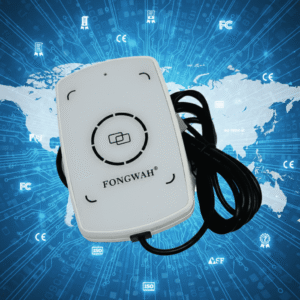
If you are building a secure issuance system, you might not want the risk of a network-connected device. You need a dedicated, highly reliable local connection. We can take our dual-frequency S9-BU-13-00 (which handles 13.56MHz Contact/Contactless cards) and ensure the USB or RS232 output perfectly matches your exact byte-order requirements via our SDK.
Need pure keyboard emulation for a legacy terminal where SDKs aren't permitted? We supply the S9-EU-00-12 strictly configured for ISO 14443A HID output. No drivers, no complex coding, just instant data injection into your client's legacy web app.
We support agile MOQs (Minimum Order Quantities) to help you run a pilot test before committing to a massive rollout. We modify the casing, we tweak the antenna tuning for your specific use case, and we compile the SDK precisely for your environment.
| Customization Need | Generic COTS Approach | Fongwah OEM Approach |
|---|---|---|
| Data Output Format | Write custom middleware to translate | Factory pre-configures output string |
| Enclosure/Branding | Stuck with manufacturer's logo | Custom colors, labels, and form factor |
| Pilot Testing (MOQ) | Must buy massive bulk or pay retail | Agile MOQs for Proof of Concept |
Frequently Asked Questions (FAQ) About OEM RFID Readers
Q1: Why should software integrators choose OEM RFID readers over big brands?
Sourcing OEM RFID readers allows integrators to eliminate the 40% brand premium, apply their own white-label branding, and lock clients into a proprietary hardware ecosystem, effectively doubling hardware margins.
Q2: What is the difference between an RFID trading company and a true manufacturer?
A trading company often changes internal components based on monthly costs, which can break your software integration. A true 20-year manufacturer like Fongwah locks in the Bill of Materials (BOM) for strict revision control, ensuring long-term stability and valid CE/FCC certifications.
Q3: Can OEM RFID hardware be customized to match specific software requirements?
Yes. At the factory level, manufacturers can customize enclosures, fine-tune antenna frequencies, and modify firmware to output specific data formats (like custom Wiegand or pure keyboard emulation) to ensure plug-and-play integration with your software.
Conclusion & CTA (Call to Action): Stop bleeding engineering hours on cheap hardware. The true cost of an RFID reader is integration time. Prioritize robust SDKs and industrial stability to protect your actual project margins. Stuck on integration or sick of buggy DLLs? Ping me on WhatsApp. I'll send you a working C# sample code snippet right now.
---