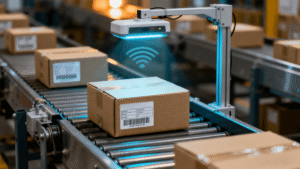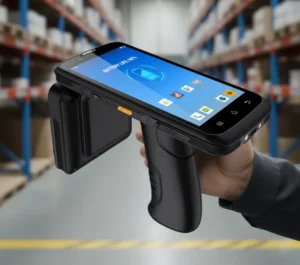
Struggling to explain how RFID tags work without power? It seems like magic, but it is simple science. I will break it down for you in this guide.
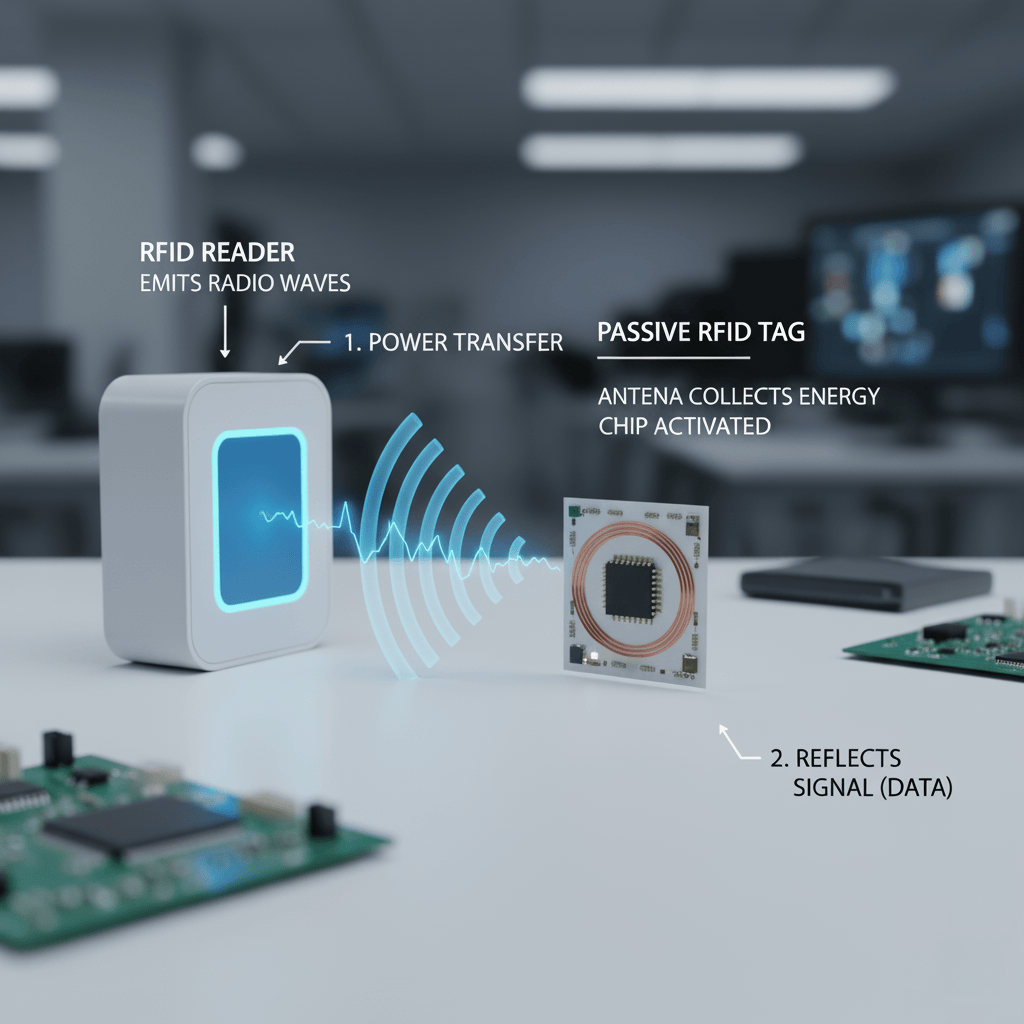
Passive RFID tags draw power directly from the radio waves emitted by an RFID reader. The tag's antenna collects this energy, powers its chip, and then reflects a signal back.
I have spent 20 years in the RFID industry, from the factory floor to my current role as Marketing Manager at Fongwah. I have seen how this "powerless" technology works firsthand. Many people, even those in tech, are surprised that these tiny labels can communicate without a battery. But the principle is quite simple and very reliable. In my early days, I learned that understanding this core concept is the key to unlocking the full potential of RFID for any application. Let's start with the basic science behind it.
What is Electromagnetic Induction in RFID?
The term "electromagnetic induction" sounds complex and academic. This can stop people from understanding a key concept. But I can explain it in a very simple way.
Electromagnetic induction is how a reader wirelessly sends energy to a tag. The reader's radio waves create a field that the tag's antenna captures to power its microchip.
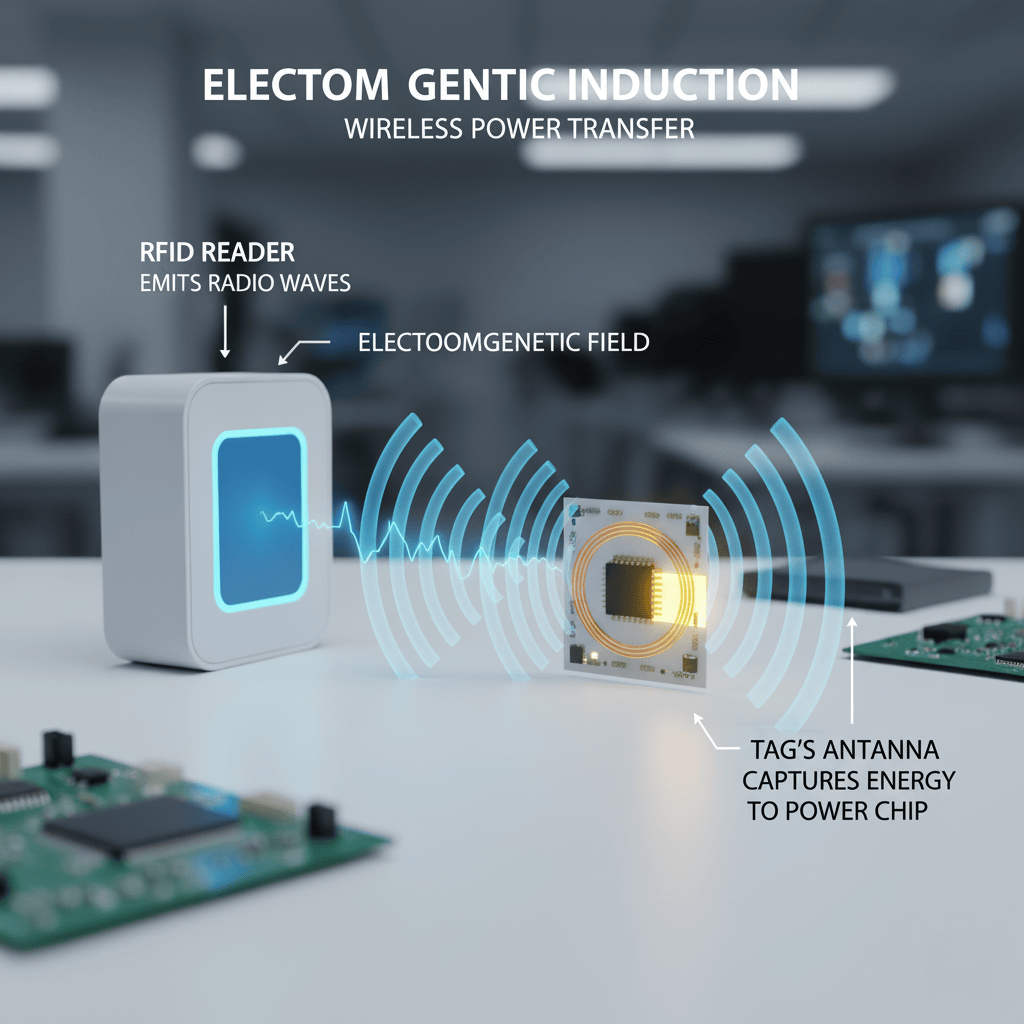
Think of it like wireless charging for your phone, but for data. The reader is constantly sending out a signal, like a person shouting a question into a valley. The passive RFID tag, which has a coiled antenna, "hears" this shout. The energy from the radio wave is just enough to wake up the tag's tiny chip. Once the chip is powered, it can process information and prepare a response. Then, it uses the remaining energy to send a signal back to the reader. This return signal is called backscatter. It's like the echo from the valley, but it carries useful data. I remember a client asking me if the tags could "die" if they weren't used. I explained that as long as a reader is nearby to power them, these tags are always ready to work. It’s a very robust and elegant solution that removes the need for maintenance or battery replacement.
The Key Components in Power Transfer
To understand this better, let's look at the roles of each part. Each component has a specific job in this wireless conversation. The process is a rapid, four-step communication loop that happens in milliseconds.
| Component | Function | Simple Analogy |
|---|---|---|
| Reader Antenna | Emits radio frequency waves carrying energy. | Shouting a question. |
| Tag Antenna | Captures the energy from the reader's waves. | An ear catching the sound. |
| Tag Chip (IC) | Uses the energy to power up and process data. | The brain thinking of an answer. |
| Backscatter | Modifies and reflects the signal back to the reader. | Shouting the answer back. |
Are All Passive RFID Tags the Same?
Trying to choose the right RFID tag can be confusing. Making the wrong choice costs time and money, and it can ruin a project's effectiveness before it even starts.
No, passive tags mainly differ by frequency. Low Frequency (LF), High Frequency (HF), and Ultra-High Frequency (UHF) tags have different read ranges, costs, and applications.
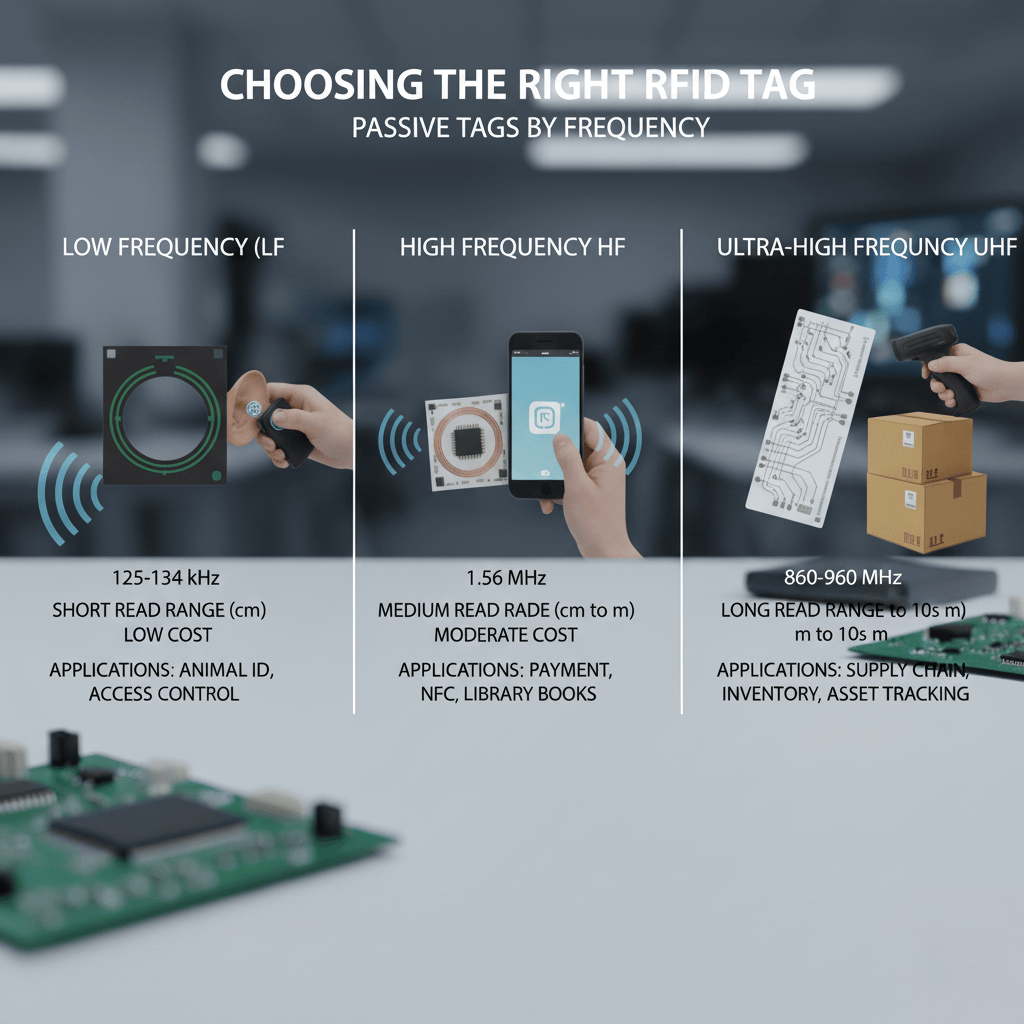
Choosing the right frequency is the most critical decision you'll make in an RFID project. It's not about which one is "best," but which one is "right for the job." I once worked with a client in the jewelry business who was trying to use UHF tags to track individual rings in a display case. The project was failing. UHF signals are powerful but can be blocked by metal and liquids, and they can interfere with each other in dense environments. We switched them to HF tags. HF has a shorter read range but performs much better near metal and with densely packed items. Their inventory accuracy immediately jumped to over 99%. This experience taught me a valuable lesson: always match the frequency to the environment and the specific problem you need to solve. Don't let a salesperson push a one-size-fits-all solution.
Choosing a Frequency for Your Application
The right choice depends on factors like read distance, the material of the tagged item, and the speed of operation. As a buyer, understanding these trade-offs is crucial for setting up a successful system.
| Frequency | Read Range | Best For... | Example Industry |
|---|---|---|---|
| LF (Low Frequency) | Very short (~10cm) | Working through moisture and on animals. High security. | Livestock Management |
| HF (High Frequency) / NFC | Short (~1m) | Item-level tracking, payments, and access control. Good near metal. | Libraries, Payments |
| UHF (Ultra-High Frequency) | Long (Up to 12m+) | Reading many items at once from a distance, like in a warehouse. | Logistics & Retail |
How Does This Technology Impact My Business Operations?
You know how the technology works, but you don't see the benefit. Without a clear return on investment, it's just an interesting gadget, not a business solution.
This technology automates data collection. It improves inventory accuracy, speeds up processes, and reduces human error. This directly saves your business money and time.
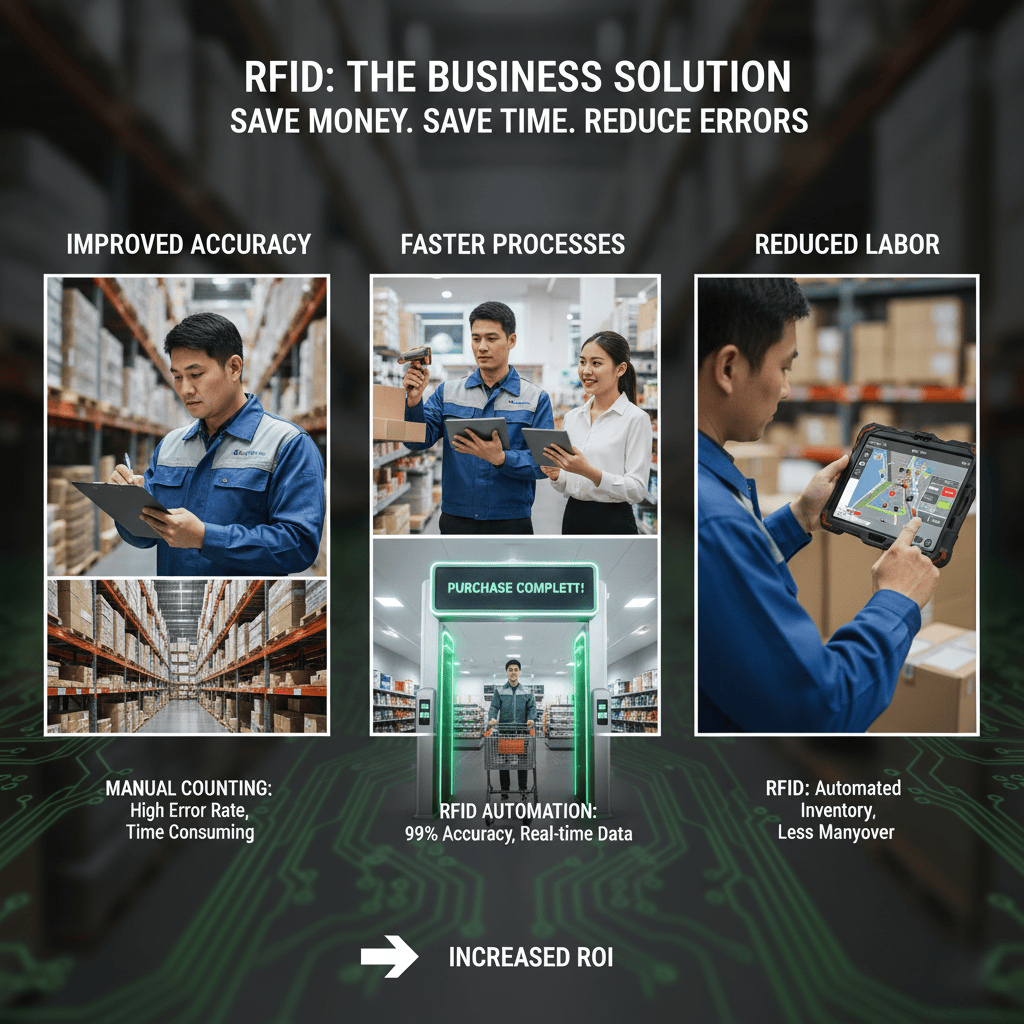
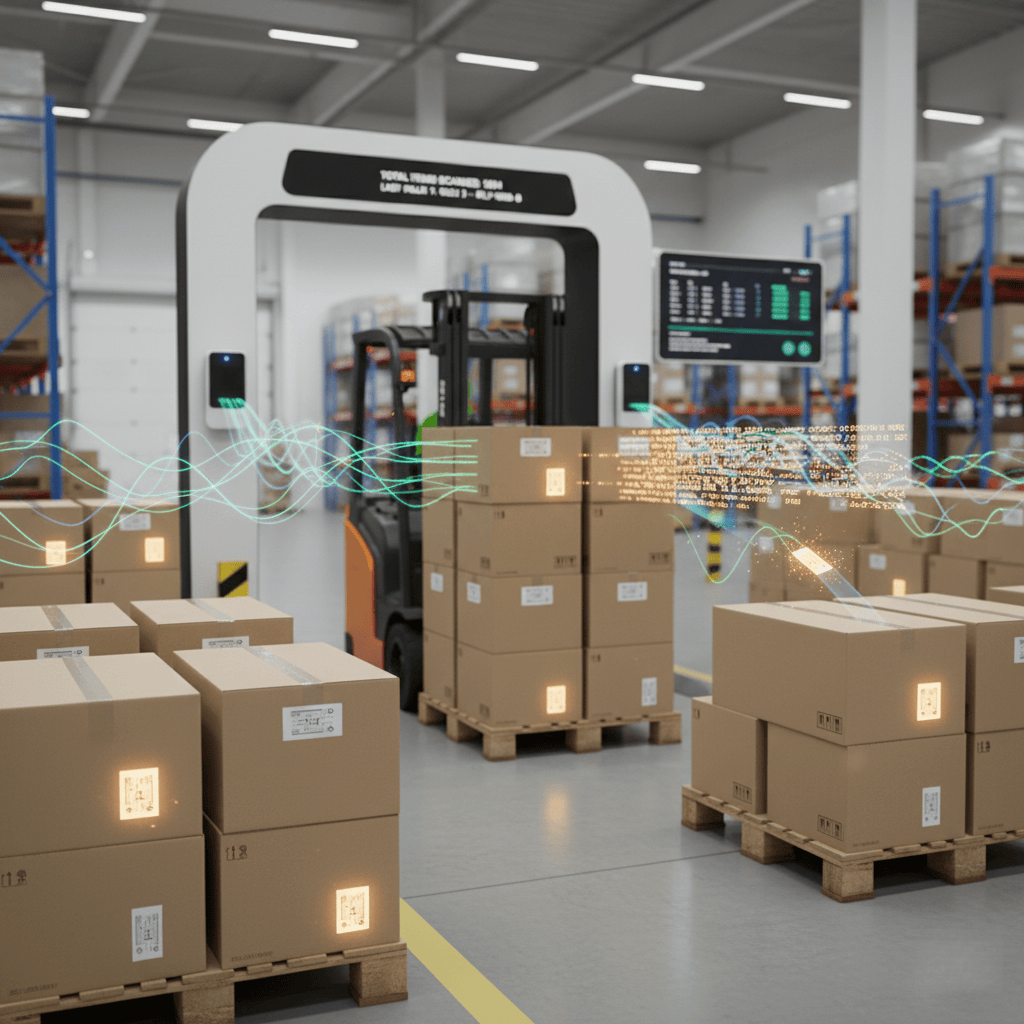
The true value of passive RFID isn't the technology itself, but what it enables. It removes the need for manual, line-of-sight scanning. I visited a massive distribution center that used barcodes. I saw workers on a hot day, spending hours scanning each and every box on a pallet. It was slow and tiring work, and prone to error. Following our proposal, they hired a local system integrator to build an RFID system and integrated with our UHF hardware, everything changed. A forklift driver could simply drive a full pallet through a reader portal, and all 100+ boxes were scanned instantly. The warehouse manager told me it "completely changed the game" for their receiving and shipping operations. They eliminated bottlenecks, reduced labor costs, and nearly eradicated shipping errors. That is the real-world impact. It's about making your team's job easier and your business more efficient and profitable.
Transforming Industries with Passive RFID
From retail to healthcare, passive RFID is creating smarter and more connected environments. It’s not a future technology; it’s a proven tool that is solving real problems today. The key is to identify the bottleneck in your operation that automated data capture can solve.
| Industry | Common Problem Solved | How Passive RFID Helps | Tangible Business Benefit |
|---|---|---|---|
| Retail | Inaccurate inventory, slow checkout. | Real-time stock counts, faster non-scan checkout. | Increased sales, better customer experience. |
| Logistics | Lost shipments, slow receiving. | Automated pallet and container tracking. | 99%+ accuracy, faster supply chain. |
| Manufacturing | Tracking work-in-progress parts. | Automated tracking of components on assembly lines. | Reduced bottlenecks, improved quality control. |
| Healthcare | Misplaced equipment, patient safety. | Locating medical devices, verifying patient and medication. | Improved patient safety, asset utilization. |
Conclusion
Passive RFID is not magic. It is a reliable and cost-effective technology that can transform your business. Understanding how it works is the first step toward using it effectively.